A luxury day in Rome works when it removes friction, not when it adds expensive things for the sake of it. The goal is not to fit a private guide, designer shopping, a rooftop, a tasting menu and three chauffeured transfers into twelve exhausting hours. It is to use money to buy time, access, comfort and better decisions.
This itinerary is built for travelers who want one polished day in Rome without spending half of it waiting, navigating or recovering from bad timing. It assumes a healthy budget but still asks the useful question at every step: is this actually improving the day?
| Luxury day in Rome — quick answer | |
| Best morning | Private early-access-style sightseeing or a private guide around one major area, not three attractions |
| Best lunch | A proper seated lunch near the next activity, not a cross-city “famous restaurant” detour |
| Best afternoon | Focused shopping in the Tridente or a private artisan/atelier appointment |
| Best sunset | Rooftop aperitivo with a specific view you care about |
| Best evening | Dinner within walking distance or a short car ride from the rooftop |
| Where to spend more | Guide quality, private transport when geography is difficult, and one memorable meal |
| Where not to overspend | Unnecessary VIP add-ons that do not change access or experience |
| Biggest mistake | Scheduling the day so tightly that every delay becomes a crisis |
Planning note: this is a framework, not a fixed package. The best luxury itinerary changes depending on whether your priority is art, ancient Rome, food, shopping, romance or simply comfort.
A luxury day that leaves room to enjoy it
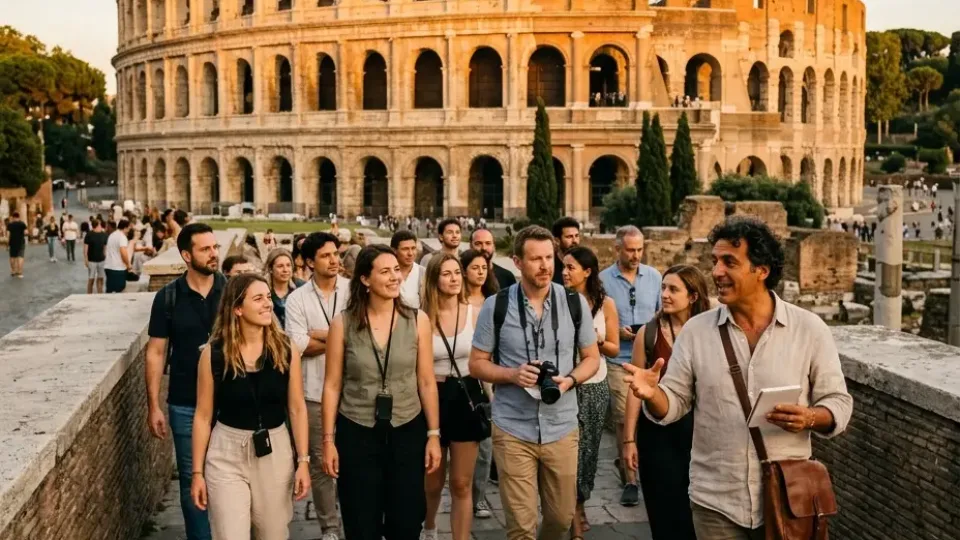
8:00–11:00 AM: one major private experience
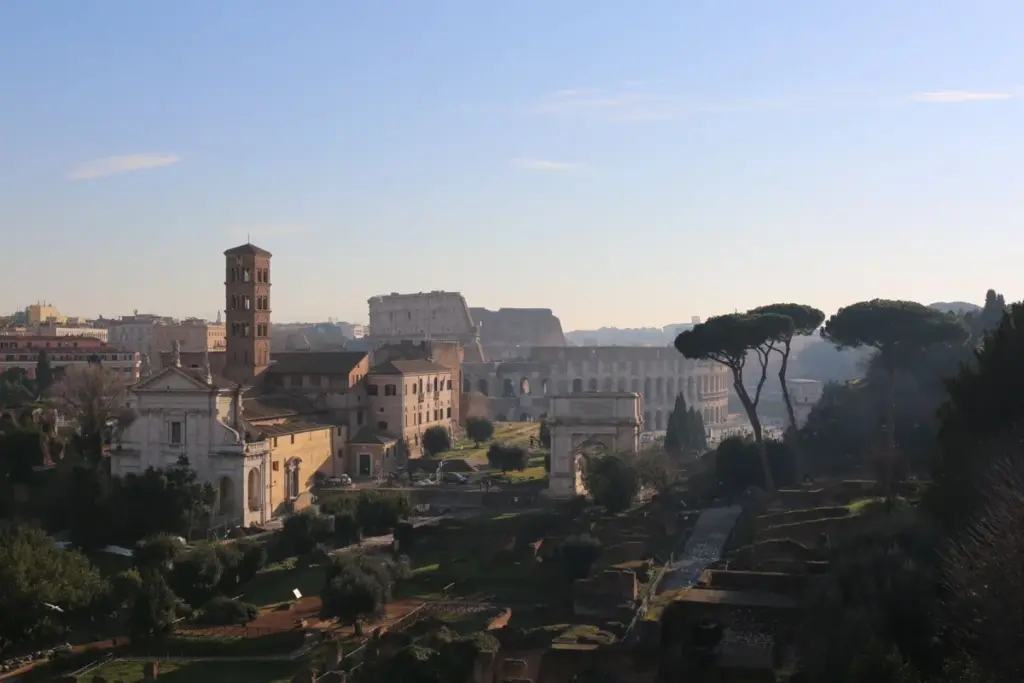
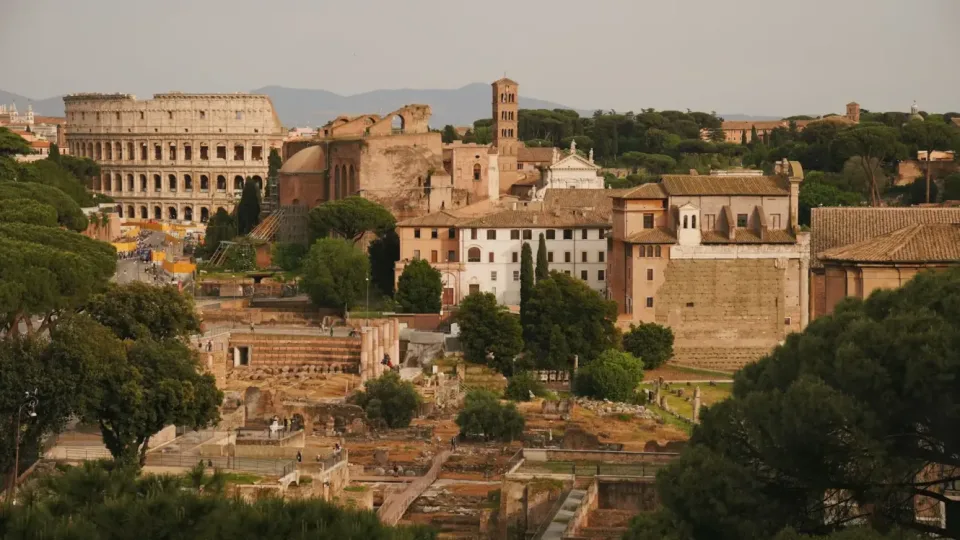
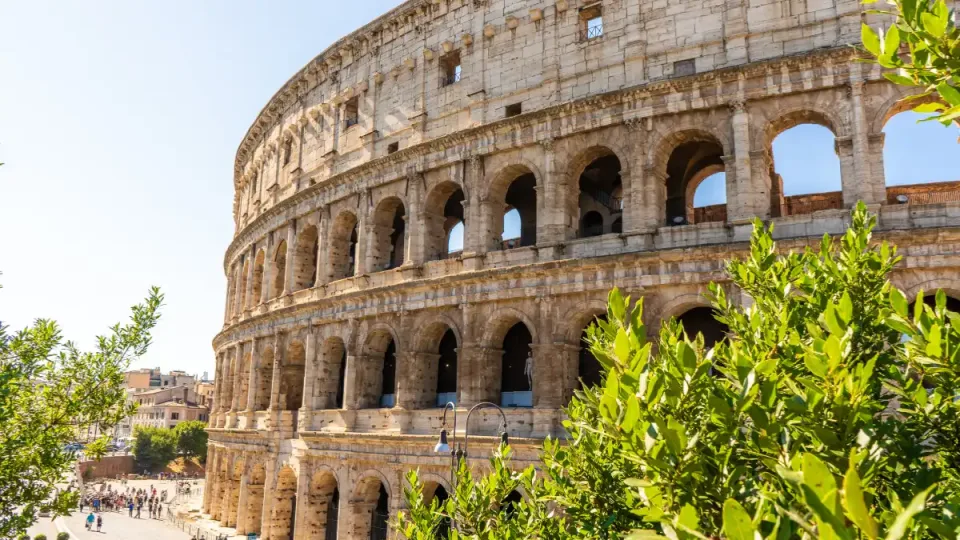
Start with one major part of Rome and do it properly. For a first visit, that usually means either the Colosseum/Forum/Palatine area or the Vatican Museums and St. Peter’s area.
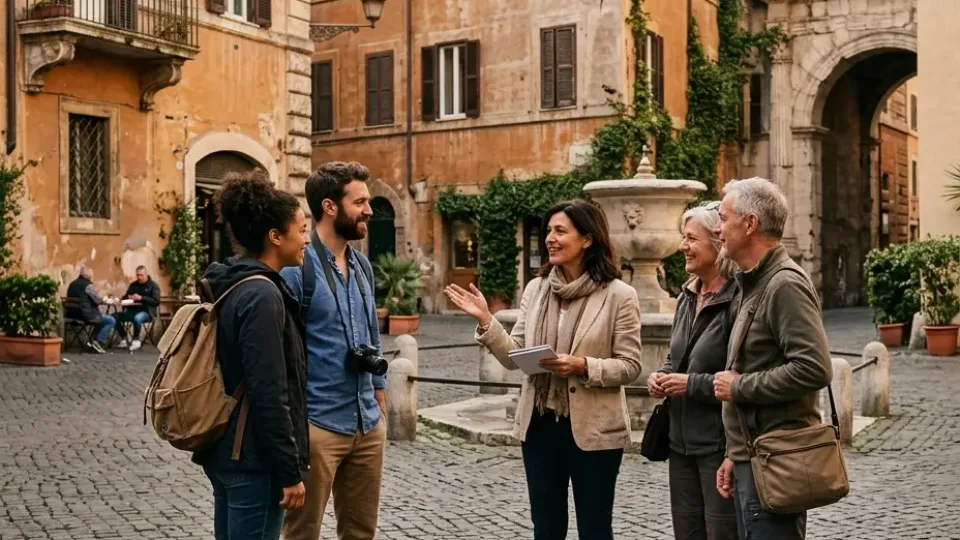
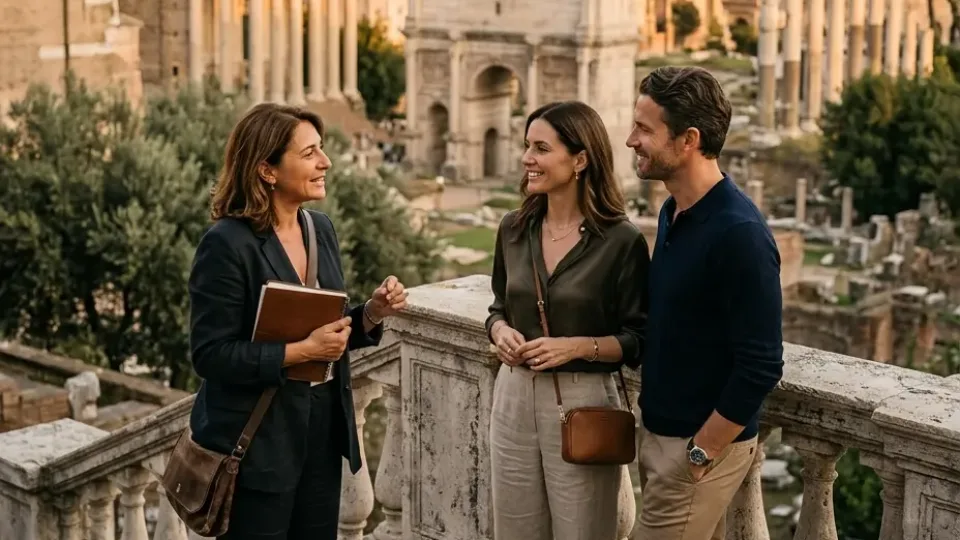
The luxury is not simply that the tour is private. It is that the guide can adapt the pace, spend more time where you care, skip explanations that do not interest you and keep the route efficient.
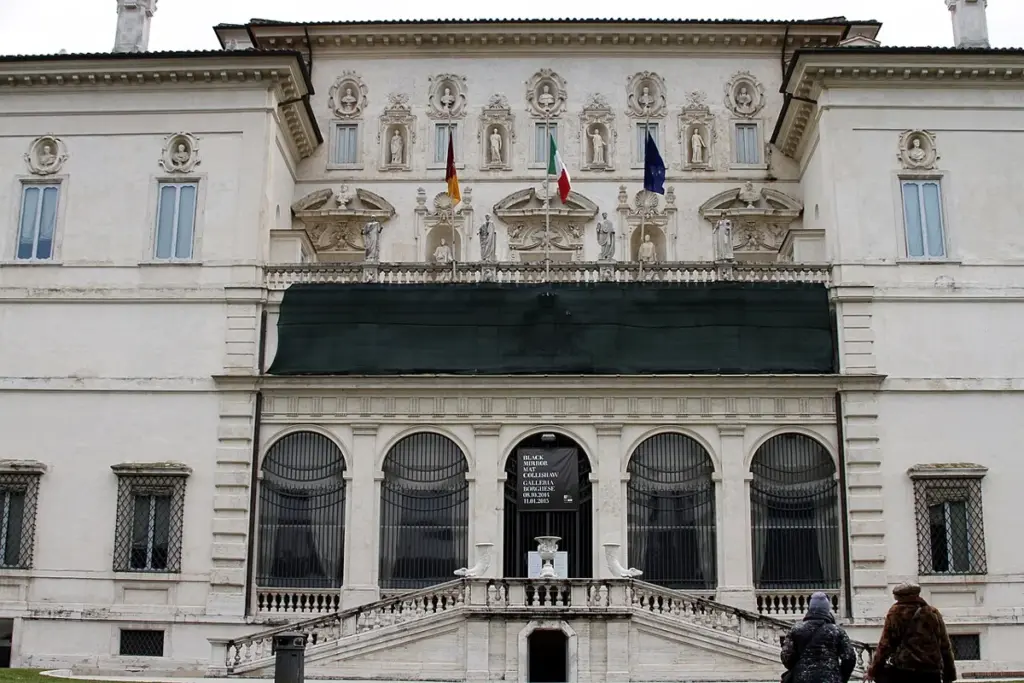
If you have already seen the headline monuments, use the same time for something harder to organize independently: a specialist art-history visit, private city route, atelier access or architecture-focused experience.
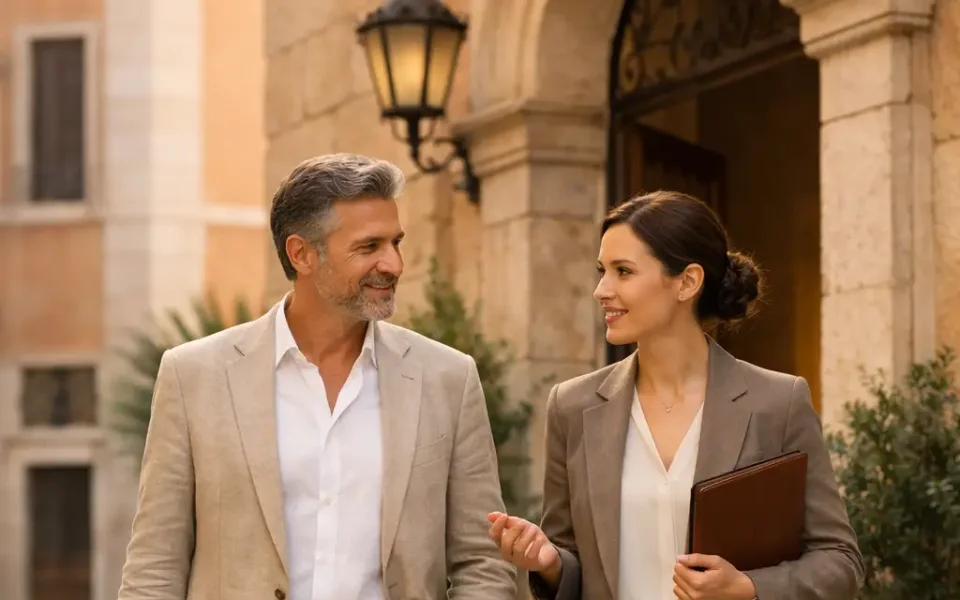
Our private tours in Rome are the natural starting point for this part of the day.
11:00 AM–12:30 PM: reset instead of rushing
This is where badly planned luxury itineraries fall apart. They schedule the next reservation ten minutes after the guide finishes. Leave a buffer.
Go back to the hotel if you need to change, have coffee, or let a driver take you toward lunch. If you are shopping later, this is also when you can drop anything you have accumulated rather than carrying it all afternoon.
12:30–2:00 PM: lunch where the geography makes sense
Luxury does not require a Michelin-starred lunch and dinner on the same day. I would choose one meal to be the major event and let the other be excellent but efficient.
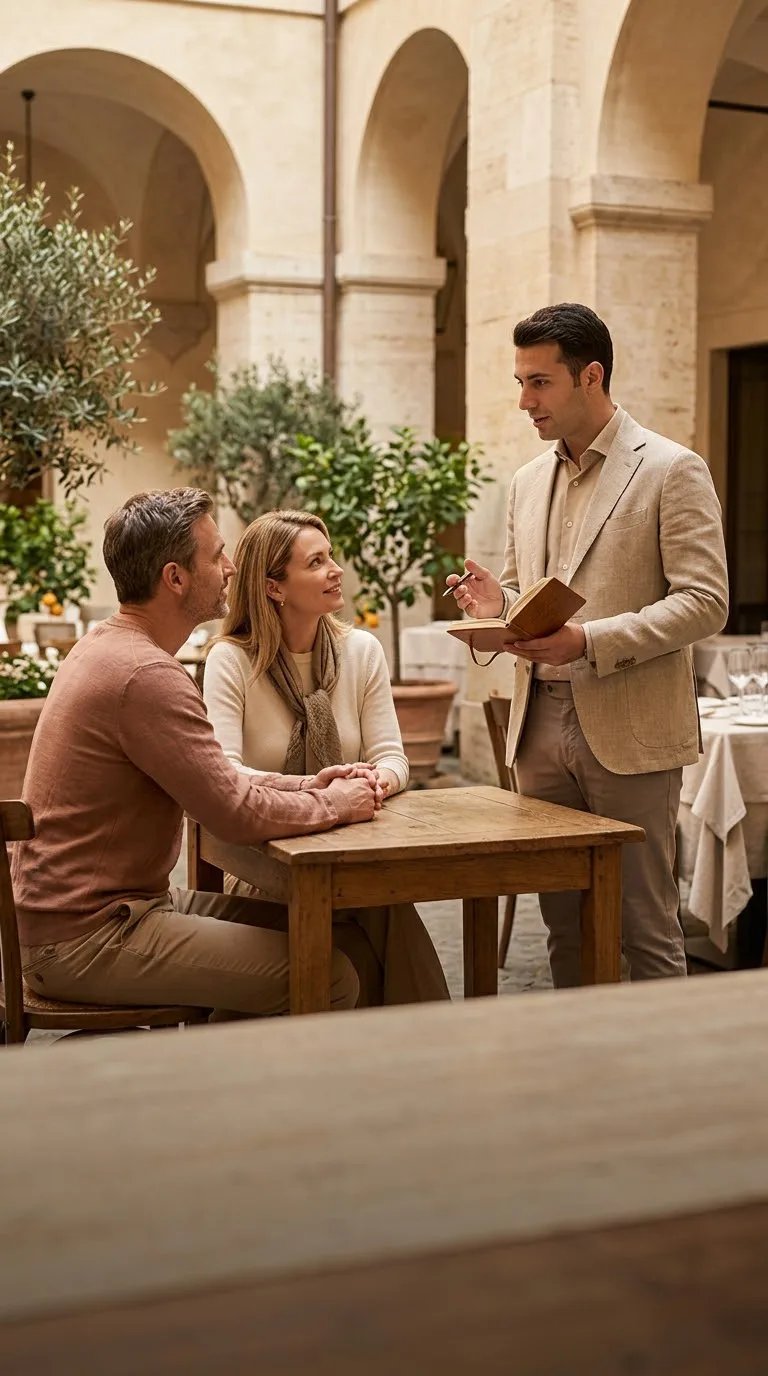
If your afternoon is in the Tridente, eat near Piazza di Spagna, Campo Marzio or the Pantheon rather than driving across Rome for a restaurant that adds no value beyond fame. If you are coming from the Vatican, choose a lunch route that moves you toward the center.
2:00–5:00 PM: shopping, atelier or something made for you
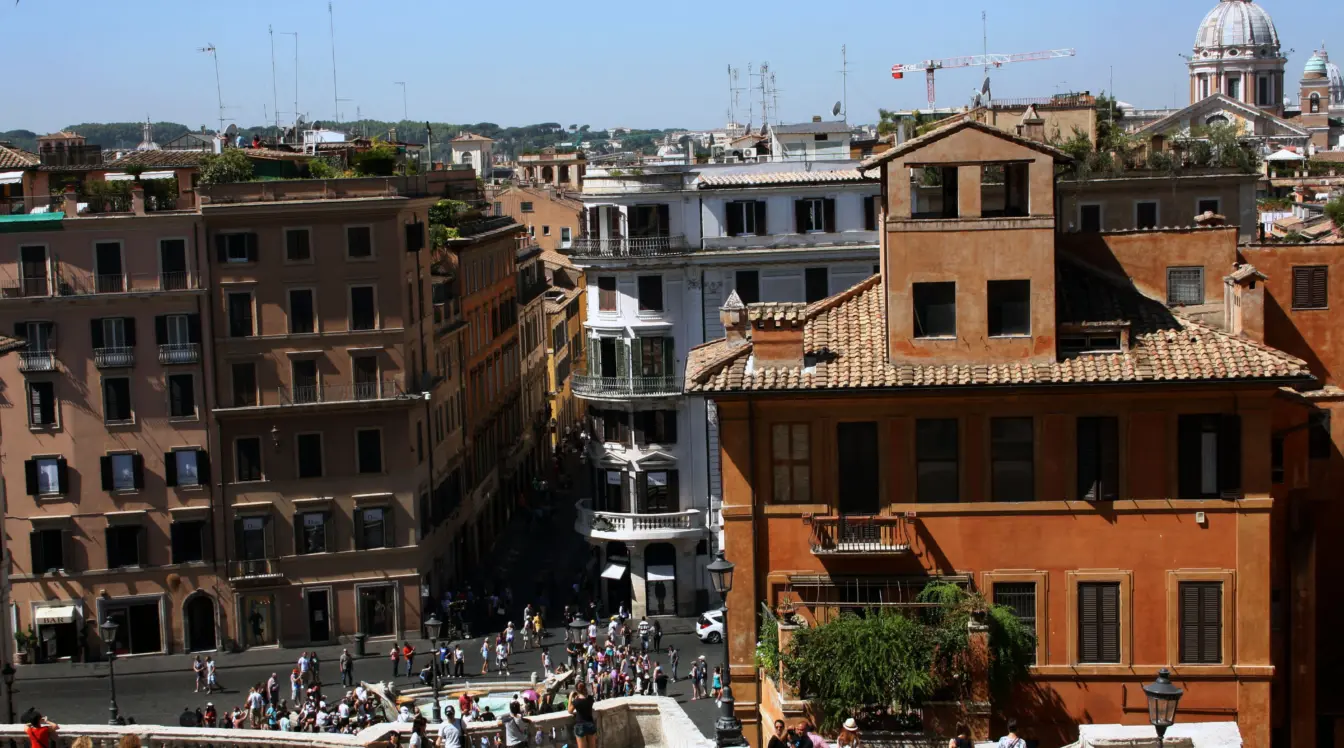
For classic luxury shopping, use the Tridente: Via dei Condotti, Via Borgognona, Via Frattina, Via del Babuino and Largo Goldoni. This is the efficient part of Rome for major houses and jewelry.
If you already own enough global luxury, make the afternoon more Roman: Schostal for understated heritage clothing, Antica Cartotecnica for writing and leather objects, a jeweler, tailor or artisan workshop.
A personal shopper is worth adding only if you need actual curation, sourcing or private appointments. If you know exactly which stores you want, concierge coordination is enough.
5:00–6:00 PM: go back to the hotel
Do not arrive at a rooftop with shopping bags, a half-dead phone and the clothes you wore through three hours of sightseeing unless that genuinely does not bother you.
A one-hour reset is one of the simplest differences between an expensive day and a comfortable expensive day.
6:00–8:00 PM: rooftop aperitivo
Pick the view according to the day. Gigi Rigolatto at Orient Express La Minerva gives you a direct Pantheon sightline. Zuma at Palazzo Fendi works naturally after luxury shopping and looks toward the Spanish Steps side of the city. Settimo sits near Villa Borghese and Via Veneto. Divinity Terrace is another central Pantheon-area option.
Do not choose a rooftop only because a list called it “the best.” Choose one that avoids another forty-minute transfer.
8:30 PM onward: one dinner worth remembering
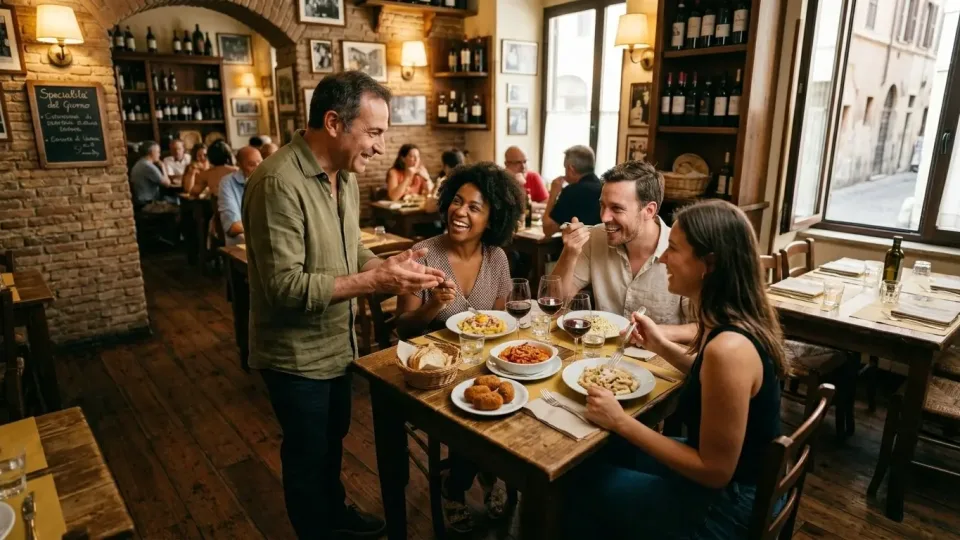
This is where I would spend the food budget if dining matters to you. The best restaurant depends on your taste, not a universal ranking: contemporary Roman, fine dining, seafood, classic luxury hotel, or a more intimate local restaurant can all make sense.
The one rule is to avoid turning aperitivo and dinner into two full tasting experiences back-to-back. If the rooftop has substantial food, keep dinner later and lighter; if dinner is the event, have one drink upstairs and move on.
Where the money actually improves the day
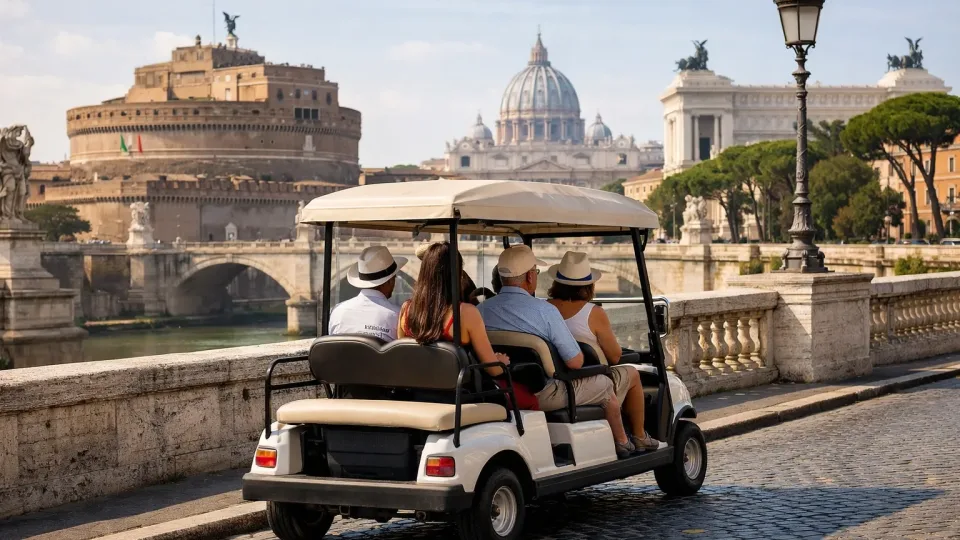
Private driver: where it helps and where it does not
A driver is useful when you have several fixed appointments, mobility concerns, shopping bags or locations outside the walkable center. It is less useful if your entire afternoon is Piazza di Spagna → Via Condotti → Pantheon, where walking is often faster than sitting in traffic.
Use the car for the awkward transitions, not as a status symbol.
How much should a luxury day cost?
There is no sensible single number because shopping can add €200 or €20,000. Separate the experience budget from the purchase budget.
- Guide: pay for expertise and a genuinely private experience.
- Transport: use selectively around difficult geography.
- Food: choose one meal to be the major event.
- Shopping: treat purchases separately from the day’s service cost.
- Concierge: worthwhile when several reservations and providers need coordination.
A romantic version
For couples, simplify further: private art or city tour in the morning, relaxed lunch, hotel break, one meaningful shopping or jewelry stop, rooftop at sunset and dinner. Add flowers, photographer or a proposal only if they are actually part of the occasion.
A fashion-focused version
Skip the major monument tour and use the morning for a private fashion/architecture route, then appointments in the Tridente, a heritage boutique, late lunch, hotel reset and rooftop. The day becomes much more coherent than forcing the Colosseum into a shopping trip.
A food-focused version
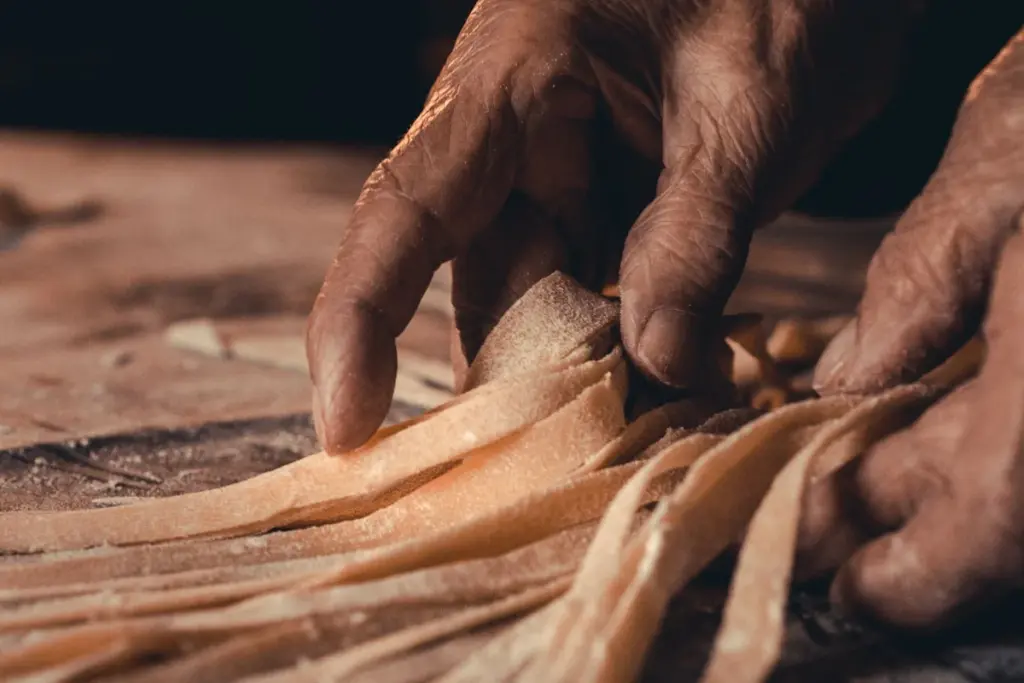
Start with a market or private food experience, take a proper lunch, use the afternoon for one museum or neighborhood, then aperitivo and dinner. Do not put a cooking class, food tour, tasting menu and wine bar into the same day unless your goal is to stop enjoying food by 6 PM.
What I would not include
- Three major monuments.
- Two long tasting menus.
- A full outlet-shopping trip.
- A private car for streets where walking is easier.
- “VIP” products that do not meaningfully change access.
- Every famous rooftop in one evening.
Why concierge matters more at the high end
The more moving parts you add, the more one delay can damage everything after it. Concierge is useful because somebody owns the sequence: guide ends here, car arrives here, boutique knows you are coming, dinner knows the occasion and there is enough buffer between all of it.
That is exactly the role of our Rome concierge service: not making an ordinary day artificially luxurious, but coordinating the version where details matter.
Frequently asked questions
What is the best luxury experience in Rome?
For most first-time visitors, a genuinely excellent private guide plus one carefully chosen meal or rooftop adds more value than stacking multiple “VIP” products.
Do I need a private driver all day?
No. Central Rome is highly walkable. A driver is most useful for awkward transfers, luggage, mobility needs or multiple fixed appointments.
Which rooftop is best after shopping?
Zuma at Palazzo Fendi is geographically convenient after the Tridente; Gigi Rigolatto is a strong option if you are ending around the Pantheon.
The local luxury lesson: spend money to remove friction, not Rome
One of the most consistent themes in Rome community advice is that the city rewards walking and wandering once you step a little away from the attraction in front of you. A luxury itinerary can accidentally remove that completely by putting a car and a reservation between every two moments.
My preferred version keeps the expensive pieces where they change quality — a guide, a room, a hard reservation, a genuinely good meal — and leaves some Rome in between. If your driver is waiting while you walk three blocks through Campo Marzio, that is not a failure of luxury planning. It is the city doing its job.
Community check: Community discussion on r/rome. Community comments are anecdotal; opening hours, prices and rules are checked against official sources elsewhere in this guide.
Sources checked for this guide
- Turismo Roma — shopping streets
- Gigi Rigolatto Roma — official site
- Zuma Rome — official site
- Settimo — official rooftop bar
venue details checked September 23, 2026. Luxury works best when the itinerary is customized around your priorities and current availability.