
Luxury shopping in Rome is compact enough to do well and easy enough to do badly. The obvious version is Via dei Condotti: flagship stores, international luxury houses and the Spanish Steps at one end. The better version expands into the wider Tridente, historic Roman shops, department-store services, smaller ateliers and a few places where the luxury is in the craftsmanship rather than the logo.
This guide is for travelers who actually plan to shop, not just photograph storefronts. It covers where to go, which areas make sense together, when appointments are useful, how tax-free shopping fits in, and where to look when you want something more Roman than the same global brands you can find in New York, London or Dubai.
| Luxury shopping in Rome — quick answer | |
| Best luxury area | The Tridente around Piazza di Spagna |
| Most famous street | Via dei Condotti |
| Best streets beyond Condotti | Via Borgognona, Via Frattina, Via del Babuino, Via della Vite and nearby lanes |
| Best one-stop option | Rinascente Via del Tritone |
| Best heritage-shop detour | Schostal, Via della Fontanella di Borghese |
| Best non-fashion luxury souvenir | Antica Cartotecnica for writing instruments, leather and vintage objects |
| Tax-free shopping | Eligible non-EU residents can qualify on invoices over €70 |
| How long to allow | 2–4 hours for focused shopping; half a day if you have appointments |
Information checked on September 22, 2026. Store hours, stock, appointments and tax-free procedures can change. For major purchases, verify directly with the boutique before you travel.
The Tridente: Rome’s real luxury-shopping core
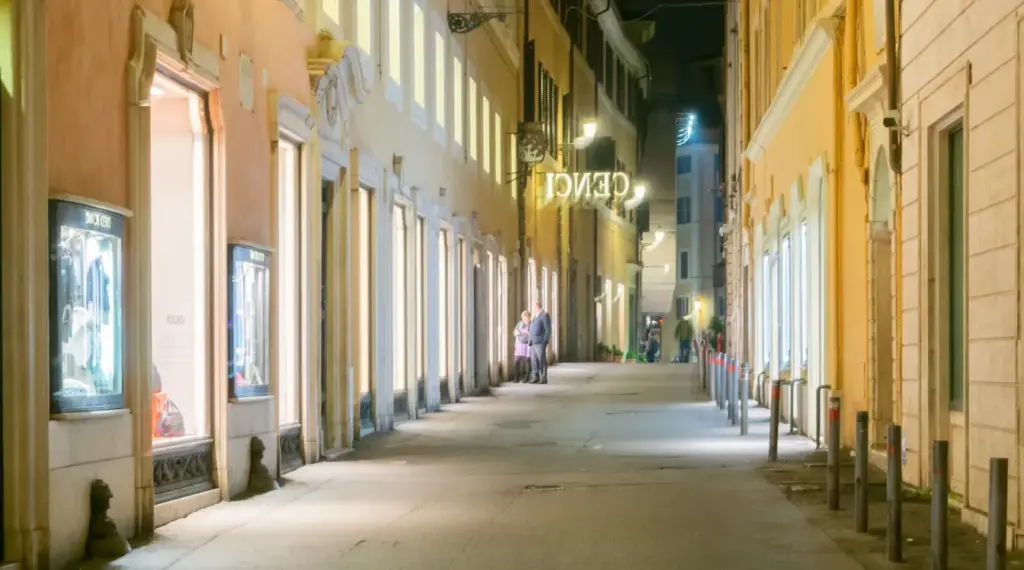
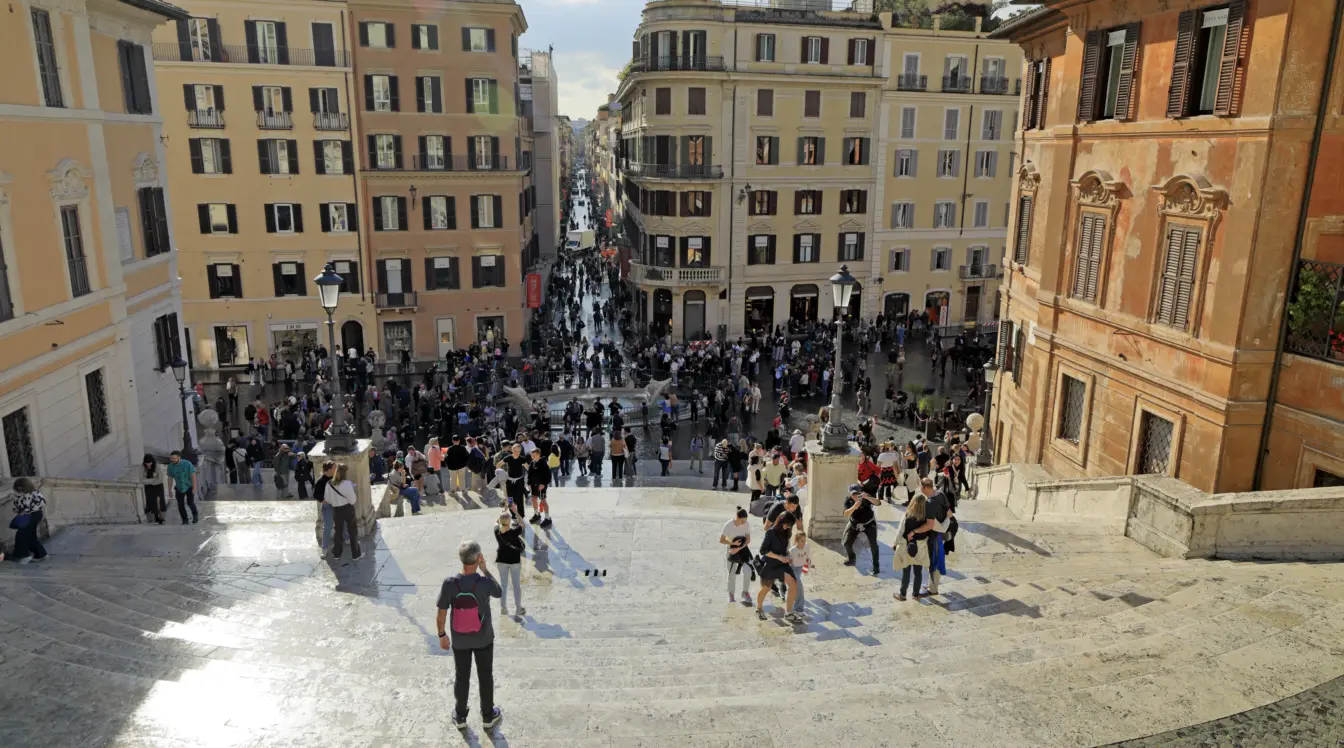
Turismo Roma calls the Tridente the essential area for luxury and high fashion. The district spreads out from Piazza di Spagna into Via dei Condotti, Via Borgognona, Via Frattina, Via della Vite, Via delle Carrozze, Via Vittoria and Via del Babuino.
Italia.it describes the same area as Rome’s highest-end shopping district, with major Italian and international houses including Fendi, Gucci, Prada, Armani, Dolce & Gabbana, Bulgari, Chanel and others.
The practical advantage is density. You can visit several priority boutiques without spending half the day in taxis. If your hotel is in the historic center, this is the easiest part of Rome to dedicate to serious shopping.
Via dei Condotti: when it is worth starting here
Via dei Condotti remains the obvious starting point because it concentrates major flagships in one elegant street leading directly toward the Spanish Steps. If you already know the brands you want, you can be very efficient here.
I would go early. By late morning the area becomes crowded with shoppers, sightseeing groups and people using the street as a route to Piazza di Spagna. A serious purchase is more pleasant before the district becomes part shopping street, part tourist corridor.
Best for: flagship shopping, jewelry, handbags, major purchases, visitors with limited time.
Where to shop beyond Via Condotti
Via Borgognona and Via Frattina: the streets people rush past
Via dei Condotti gets the headlines, but Turismo Roma explicitly includes Via Borgognona and Via Frattina in the luxury core. They are useful because they let you stay inside the same shopping district without repeating the exact flagship experience on every block.
If you are browsing rather than hunting one specific bag, the surrounding streets are often more enjoyable. They also make it easier to discover smaller Italian labels, multi-brand stores and accessories between the globally obvious names.
Via del Babuino: luxury shopping that still feels like a Rome walk
Via del Babuino runs between Piazza di Spagna and Piazza del Popolo. Turismo Roma includes it within the high-fashion geography, but it feels more like a long urban walk than a single dense shopping corridor.
This is a good choice if one person in your group wants to shop and another wants to experience the city. You can combine boutiques with galleries, Piazza del Popolo, Via Margutta and a break around the Pincio.
Fendi Roma Palazzo: the Roman flagship worth knowing
Fendi Roma Palazzo sits at Largo Goldoni, where Via dei Condotti meets Via del Corso. The location is particularly relevant because Fendi’s identity is deeply Roman and the flagship is easy to combine with the rest of the Tridente.
If you already know you want a specific product, arrange an appointment. If you are browsing, normal store access is enough. Do not confuse the central shopping flagship with Fendi’s headquarters at Palazzo della Civiltà Italiana in EUR, which is architecturally impressive but not the place to go for a standard shopping visit.
Rinascente Via del Tritone: the efficient option
Rinascente’s Via del Tritone flagship is the best answer when you want premium shopping without moving between individual boutiques all afternoon. Turismo Roma lists shopping assistance, international delivery, Tax Free Service and a VIP Service Desk among its services.
The building itself is also unusual: the restored remains of the ancient Aqua Virgo aqueduct are visible inside, and the rooftop gives you another reason to stop even if your shopping list is short.
Best for: comparing brands, shopping with limited time, tax-free support, groups where different people want different categories.
Schostal: quiet luxury before “quiet luxury” became a trend
Schostal is exactly the kind of place that makes luxury shopping in Rome more interesting than a list of global flagships. Turismo Roma recognizes it as a historic shop dating to 1870 at Via della Fontanella di Borghese 29.
In September 2026, the Financial Times highlighted Schostal’s long-running reputation for understated sleepwear and shirts, noting its appeal to film and fashion figures. The attraction is not a giant logo or a theatrical storefront; it is continuity, materials and a style that has existed far longer than the current “quiet luxury” label.
Who should go: travelers looking for a wearable Rome purchase that does not look like a souvenir.
Antica Cartotecnica: luxury that is not fashion
Antica Cartotecnica at Piazza dei Caprettari 61 is another good antidote to generic luxury shopping. The family business dates to 1930 and specializes in writing instruments, inks, vintage objects, leather goods and personalized services.
This is where I would send someone who already owns enough handbags but wants an object with character: a fountain pen, desk piece, leather item or vintage collectible. The official store also offers pen repair and personalized gifts.
Best for: gifts, collectors, writers, design-focused travelers and people who want something they are unlikely to see in an airport luxury mall.
Monti: when you want fashion without Via Condotti
Turismo Roma points to Monti — particularly Via del Boschetto, Via Leonina and Via Urbana — for creative fashion, artisan pieces and second-hand luxury. This is not a replacement for the Tridente if you want current flagship collections, but it is much more interesting if you want originality.
I would separate the two experiences. Do the Tridente when you want polished luxury retail. Do Monti when you want independent designers, vintage and the possibility of finding something less predictable.
Via del Governo Vecchio: vintage and designer second-hand
Turismo Roma also highlights Via del Governo Vecchio and the streets around Piazza Navona for vintage and selected designer pieces. This is useful because it sits in a part of the city many travelers already visit.
Quality varies from store to store, so examine condition carefully and ask questions about provenance on expensive pieces. “Vintage” is not automatically synonymous with “investment-grade.”
How to plan the shopping day
When should you book a boutique appointment?
You do not need an appointment to walk into most major boutiques. An appointment becomes useful when you have a specific goal: a certain bag, size, jewelry purchase, limited collection, private fitting or a short window in Rome.
For a major purchase, telling the boutique what you are looking for before arrival can save a surprising amount of time. For casual browsing, appointments simply create another clock you have to obey.
Start with the one purchase that matters most, then let the rest become browsing. This keeps the day from feeling like a luxury-store checklist and leaves enough flexibility for a fitting, stock search or unexpected stop.
Tax-free shopping for Americans and other non-EU residents
Eligible travelers resident outside the EU can qualify for tax-free shopping in Italy when the invoice exceeds €70 and the other customs conditions are met. This matters much more on a high-value handbag or jewelry purchase than on a small accessory.
Ask for the tax-free invoice at the time of purchase, make sure your identity details are correct and keep the goods accessible until customs validation when you leave the EU. Do not assume you will receive the full headline VAT rate because refund intermediaries may retain fees.
For the full process, use our dedicated guide to tax-free shopping in Rome for Americans once it is published.
A two-hour luxury shopping route
- Start at Piazza di Spagna.
- Walk Via dei Condotti and visit priority flagships first.
- Continue to Largo Goldoni for Fendi Roma Palazzo.
- Loop through Via Borgognona or Via Frattina depending on the brands you want.
- Finish around Via del Tritone at Rinascente if you still need variety under one roof.
This route works when you know what you want. If you need fittings, appointments or serious jewelry shopping, two hours is optimistic.
A half-day route for people who actually enjoy shopping
Start with the Tridente in the morning, break for lunch, then choose one contrast: Monti for creative and vintage fashion, or the Pantheon/Piazza Navona area for heritage stores such as Antica Cartotecnica.
Do not try to add Castel Romano outlet, Monti, Condotti and half the historic center to the same afternoon. Rome is not laid out like an outlet mall.
What is actually worth buying in Rome?
- A major Italian fashion purchase if you already wanted the item and tax-free treatment makes sense.
- Jewelry for a milestone trip, anniversary or proposal.
- Leather goods from a reputable maker or established house.
- Heritage sleepwear or shirts from a shop such as Schostal.
- Writing instruments and desk objects from a historic specialist such as Antica Cartotecnica.
- Designer vintage if you know how to evaluate condition and authenticity.
The weakest purchase is the one you make only because you feel you are “supposed” to buy Italian luxury while in Italy.
When a personal shopper or concierge makes sense
If you only want Via dei Condotti, you do not need help. If you have four hours, several specific brands, a jewelry appointment, tax-free paperwork, a birthday dinner and a car waiting afterward, coordination becomes valuable.
Our Rome concierge service is designed for that more complicated version: appointments, transfers, restaurant reservations and the rest of the day can be planned as one itinerary rather than a chain of unrelated bookings.
Common luxury-shopping mistakes in Rome
- Starting at noon on a Saturday and expecting a calm private-shopping experience.
- Carrying expensive purchases through a full afternoon of crowded sightseeing.
- Assuming every “Made in Italy” item in a tourist area is artisanal or locally made.
- Ignoring tax-free paperwork until the airport.
- Spending the entire day on global brands and missing the Roman heritage stores that make the city different.
- Scheduling boutique appointments back-to-back without allowing walking, fitting or payment time.
Frequently asked questions
What is the best luxury shopping street in Rome?
Via dei Condotti is the most famous, but the broader Tridente around Piazza di Spagna is the real luxury-shopping district.
Is Rome good for luxury shopping?
Yes. The city combines major Italian and international flagships with heritage shops, jewelry, department-store services, creative boutiques and strong tax-free appeal for eligible non-EU visitors.
Where should I shop for something more unique than Gucci or Prada?
Look at historic stores such as Schostal and Antica Cartotecnica, or explore Monti and Via del Governo Vecchio for independent, vintage and second-hand options.
Do Americans get tax-free shopping in Rome?
Eligible US residents can qualify under Italy’s non-EU traveler rules when the purchase and export conditions are met. The current Italian invoice threshold is more than €70.
The local reality check: do not turn Rome into an outdoor mall
The practical Rome answer is less glamorous than the shopping reels: if you already know the exact bag, watch or piece you want, the Tridente is efficient. If you are only “shopping because Italy”, give yourself a short window and get back to the city. The streets around Condotti are at their best early, before the luxury district becomes part boutique corridor, part sightseeing route.
Community discussions about shopping in Rome keep coming back to the same distinction: central shopping works because it is woven into the day; the outlet only makes sense when the outlet itself is a priority. That is a useful local filter for this guide too — buy something because the product, maker or experience is worth it, not because Rome has made you feel you should come home with a logo.
Community check: Community discussion on r/rome. Community comments are anecdotal; opening hours, prices and rules are checked against official sources elsewhere in this guide.
Sources checked for this guide
- Turismo Roma — shopping streets
- Turismo Roma — the Tridente
- Italia.it — shopping in Rome
- Turismo Roma — Rinascente Via del Tritone
- Turismo Roma — Schostal
- Antica Cartotecnica — official site
- Turismo Roma — creative fashion and vintage
shopping information checked September 22, 2026. Boutique hours, services and stock change frequently; confirm directly before a high-value or time-sensitive visit.