
If you hate tourist attractions, Rome is still a very good city. The mistake is assuming the alternative to the Colosseum is “hidden gems” that nobody knows about. Those lists usually send everyone to the same five supposedly secret places.
A better approach is to stop optimizing for attractions entirely. Do things Romans and repeat visitors can actually spend time on: markets, workshops, football, neighborhood walks, books, design, food, parks, cinemas, spas and live events. You can still pass a 2,000-year-old monument on the way because this is Rome.
| Rome if you hate tourist attractions — quick answer | |
| Best neighborhood activity | Pick one area and walk without a monument checklist |
| Best hands-on activity | Mosaic, jewelry or cooking workshop |
| Best local-event experience | AS Roma/Lazio match, jazz, cinema, exhibition or current festival |
| Best shopping | Monti, heritage shops, artisans, vintage |
| Best food strategy | Market/food tour or a long meal outside the obvious tourist strip |
| Best quiet break | Villa Borghese, Aventine, parks or a spa |
| Best evening | Neighborhood + aperitivo + live event rather than monument night tour |
| Rule | Do fewer things that have an entrance gate |
Things to do when you do not want another attraction
1. Spend half a day in Monti without “seeing” Monti
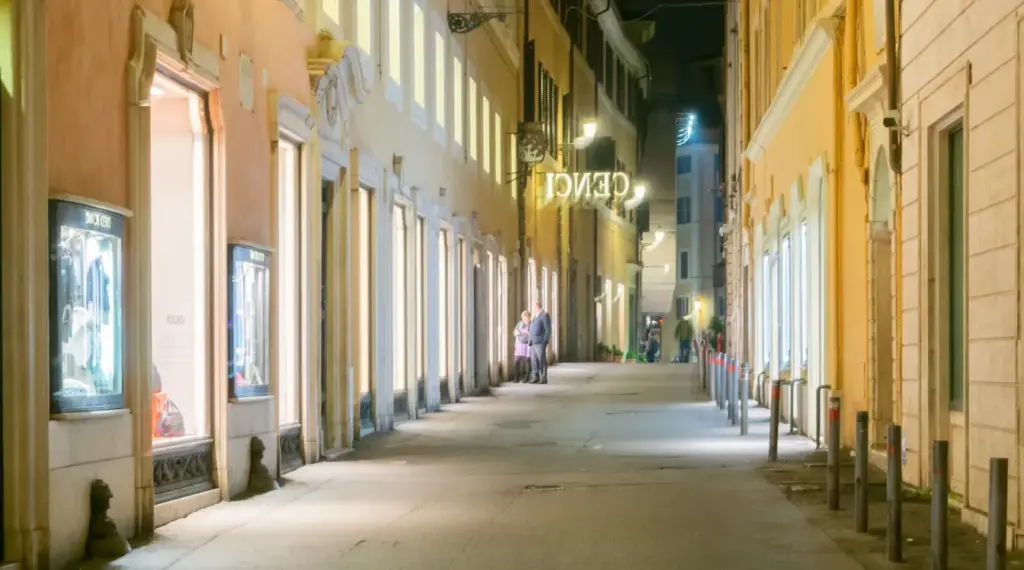
Browse vintage and independent stores, stop for coffee, visit an artisan and eat. The Colosseum is nearby, but you do not need to enter it for the neighborhood to work.
2. Make something
Rome has mosaic, micromosaic, stained-glass jewelry, cooking and other workshops. A hands-on experience changes the rhythm from consuming attractions to participating.
Studio Cassio’s current beginner mosaic programme, for example, is built around a craft with an actual Roman tradition rather than a generic vacation activity.
3. Go to a football match
If you like sport, a Roma or Lazio home match gives you several hours inside contemporary Rome rather than historical Rome. The Stadio Olimpico experience is about supporters, public transport, food, noise and local identity.
Use official ticket channels and read our matchday guides before choosing a supporter sector.
4. Go book shopping
Otherwise Bookshop near Piazza Navona is an English-language independent shop; Casa di Goethe and Keats-Shelley give you literary Rome without a giant museum. The historic center becomes much more interesting when you have a subject instead of an attraction list.
5. Use a market as a market
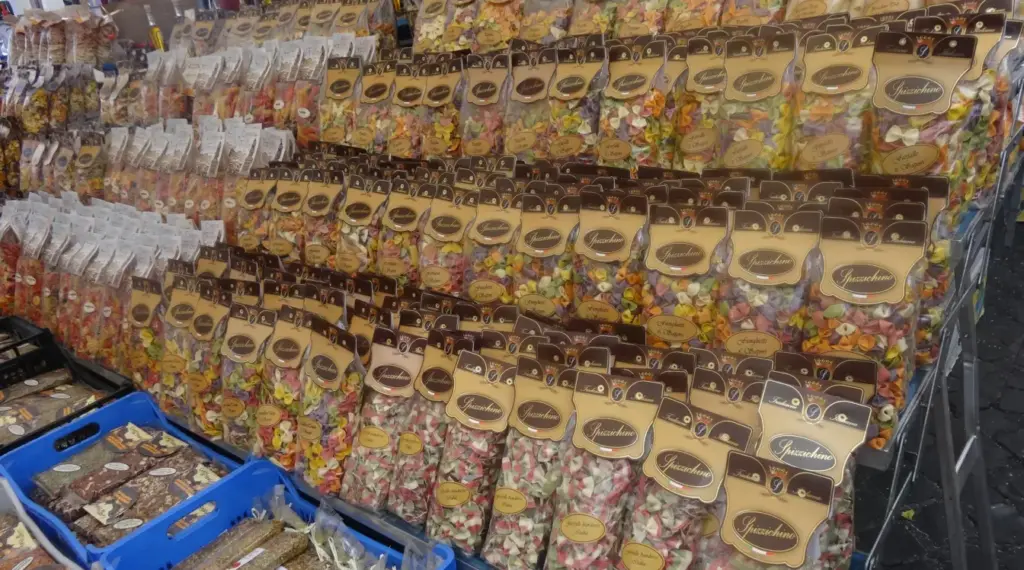
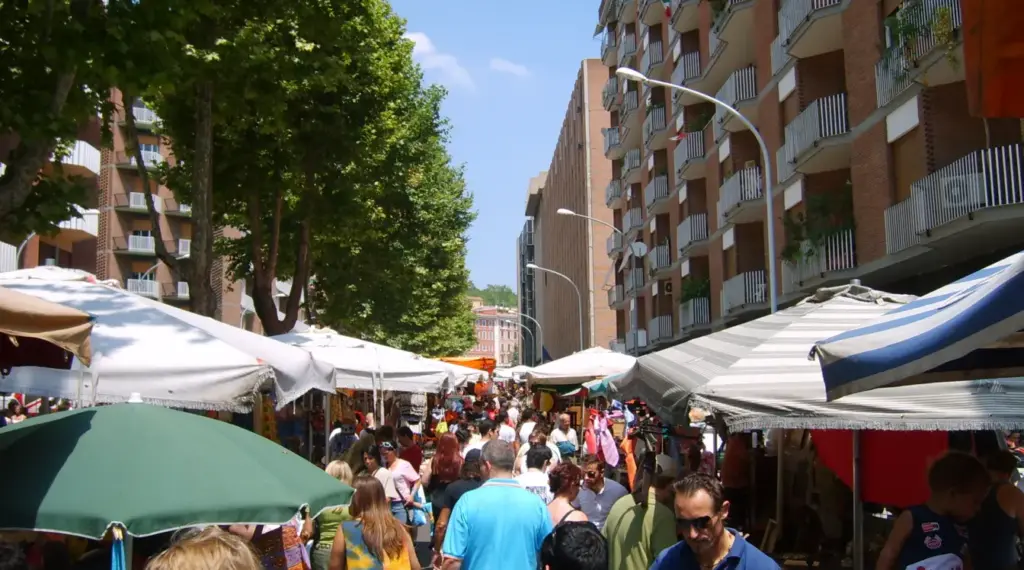
Go to Mercato Trionfale or another functioning market to buy/eat/understand products, not to take ten photos of vegetables. A food guide can add context if you genuinely care about ingredients.
6. Watch a film or go to a cultural event
Rome has cinemas, film festivals, jazz, exhibitions, book presentations and seasonal programming. Check what is happening during your exact dates rather than assuming culture means only ancient ruins.
7. Shop historic businesses
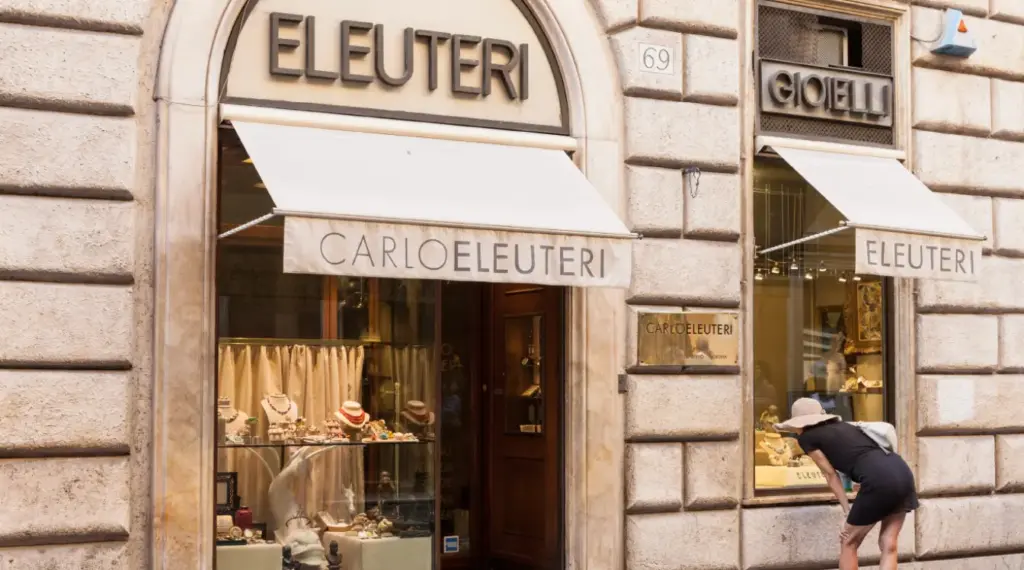
Historic shops such as Schostal, Antica Cartotecnica and specialist businesses around the center make a much better shopping route than souvenir stores. Buy something useful or simply talk to people who know their craft.
8. Take yourself to a spa
If the real reason you hate tourist attractions is that you are exhausted, stop pretending you need another cultural activity. Six Senses, Bvlgari and Rome Cavalieri all offer different versions of a serious wellness break.
9. Walk the Aventine
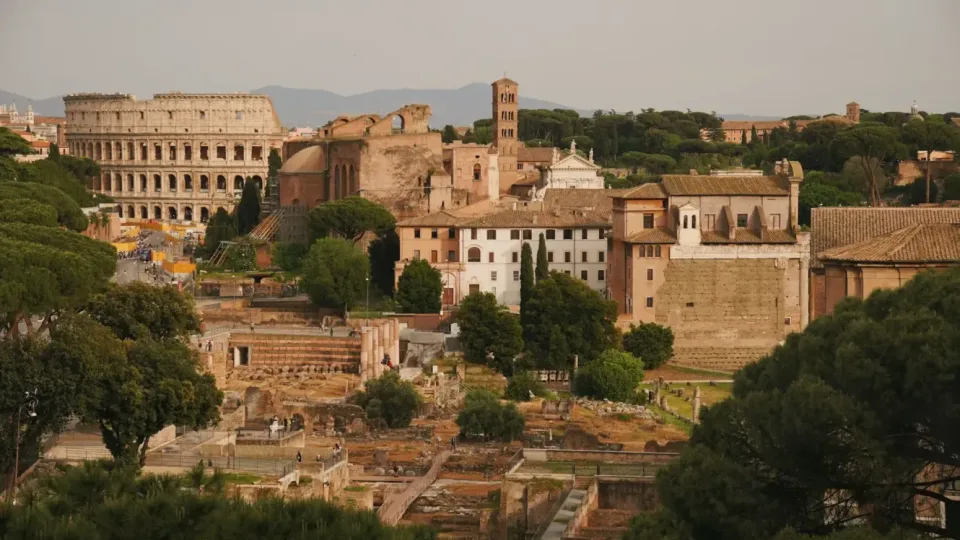
The Orange Garden, quiet streets, Santa Sabina and the city view give you Rome without the intensity of the central monument circuit. Go late afternoon and continue toward Testaccio or the river.
10. Go to Testaccio for food rather than “nightlife content”
Testaccio makes sense when you care about Roman food history, the market and a neighborhood with a different rhythm from Piazza Navona. Use a food tour if you want context; otherwise eat and walk.
11. Do a cinema-location walk
Roman Holiday, La Dolce Vita, Eat Pray Love and The Great Beauty can turn familiar streets into a themed route without requiring another ticketed attraction. Our Rome movie locations guide builds a practical version.
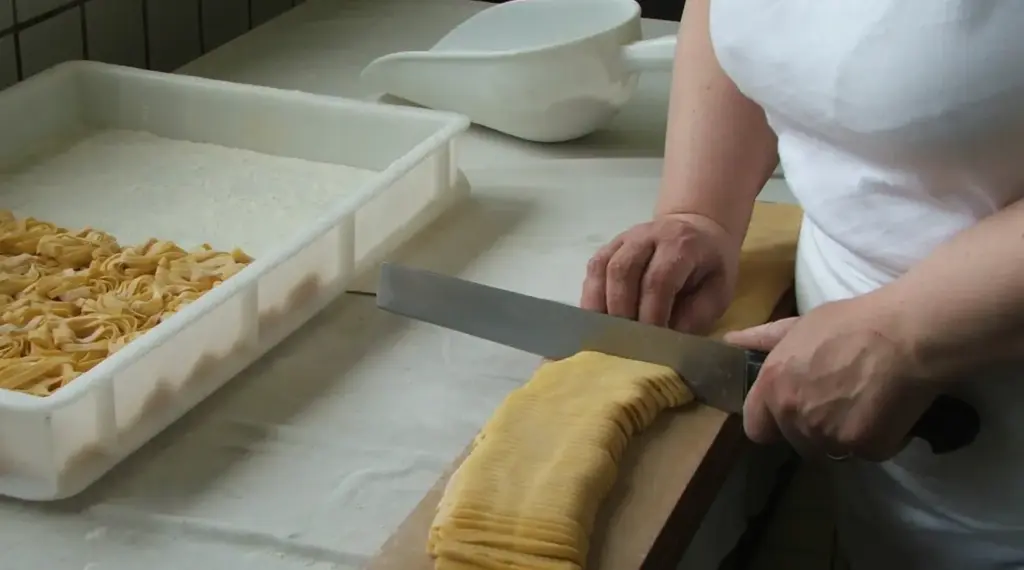
12. Take a cooking class — if you actually like cooking
Do not replace attractions with tourist activities you also hate. A cooking class is useful if you want to learn or meet people. If you do not cook at home, a food tour or just dinner may make more sense.
13. Follow one obsession
Fashion, architecture, fountains, typefaces, cocktails, churches, football, books, street photography, ceramics — Rome becomes dramatically less generic when you choose one lens and build a half-day around it.
14. Sit somewhere
Not every travel hour needs a verb. Park, café, wine bar, piazza, hotel terrace. Spend 45 minutes watching the city without turning it into a productivity failure.
How to use this without turning “anti-tourist” into another tourist identity
What I would still not skip entirely on a first trip
If you have never been to Rome, hating “tourist attractions” does not mean the Colosseum, Pantheon and St. Peter’s become bad. They are famous for reasons. Pick one or two that genuinely interest you and stop there.
The anti-tourist-trap strategy is not avoiding famous things; it is refusing to spend the whole trip doing things only because they are famous.
A one-day no-attractions itinerary
- Morning: market or neighborhood coffee.
- Late morning: artisan / bookshop / vintage.
- Lunch: long, not rushed.
- Afternoon: workshop or spa.
- Sunset: public viewpoint.
- Evening: live music, football, cinema or simply dinner.
Can concierge build this kind of trip?
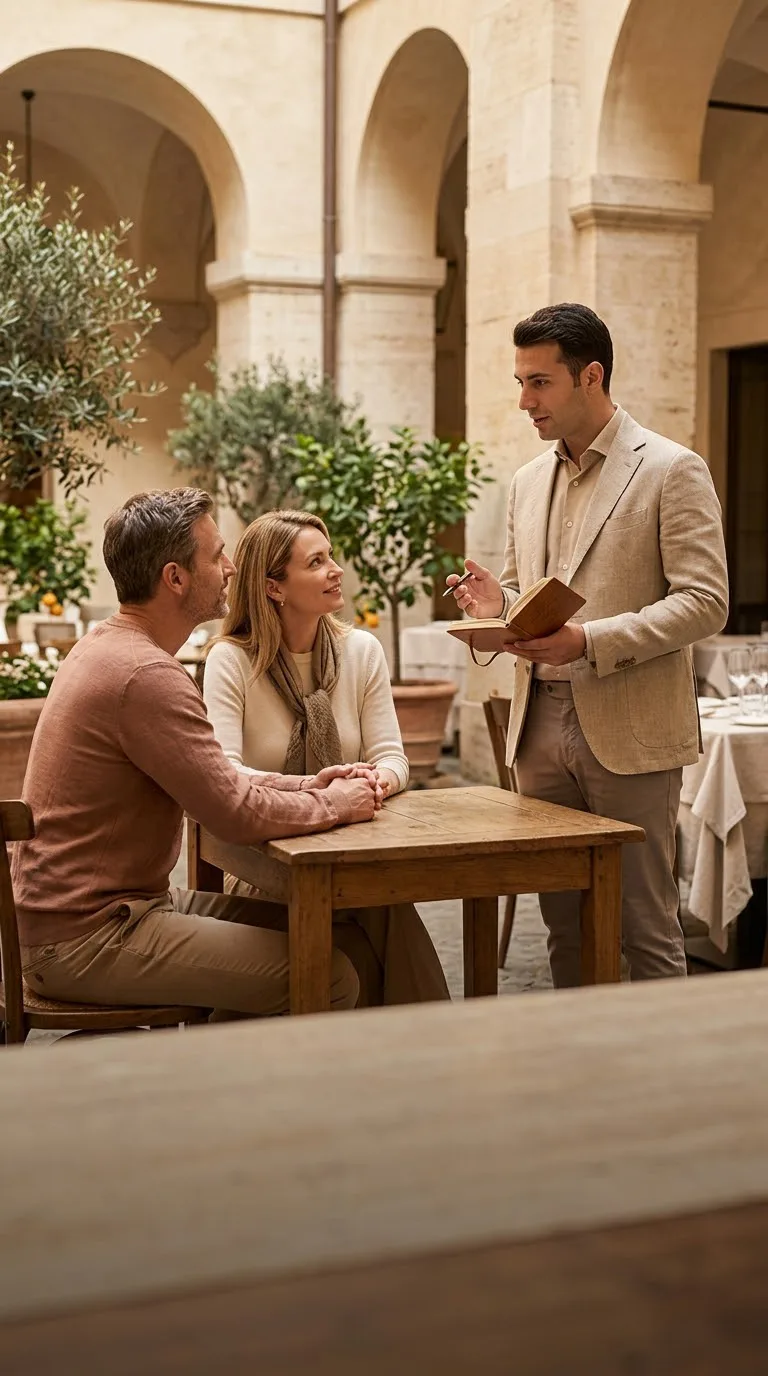
This is actually where concierge is most useful: not for booking the obvious attractions, but for matching the trip to the person. Our Rome concierge service can help with artisans, restaurants, transport, events and private experiences without forcing you into a standard first-time itinerary.
Frequently asked questions
What can I do in Rome besides sightseeing?
Food experiences, workshops, shopping, football, live music, literary places, markets, spas, cinema and neighborhood time all work without building the day around monuments.
Is Rome worth visiting if I do not like museums?
Yes. A large part of Rome’s value is outdoors, social and experiential: streets, food, neighborhoods, parks, markets and contemporary culture.
What r/rome gets right about “hidden gems”
The best answer I found in a recent thread was almost aggressively simple: start walking in a random direction. Another visitor replied that getting away from the crowds often meant only walking a few hundred meters beyond the attraction. That is more useful than pretending there is a secret second Rome waiting for people clever enough to find it.
There is another healthy community correction too: you are a tourist, and that is fine. The goal is not to perform localness. It is to stop doing things you dislike just because they appear on a first-time checklist.
Community check: Community discussion on Reddit. Community comments are anecdotal; factual details are checked against official sources elsewhere in this guide.
Useful starting points
- Turismo Roma — current city events and places
- Homo Faber — Rome artisans
- Turismo Roma — Mercato Trionfale
How to find current things rather than “hidden gems”
Use the dates of your trip. Check Turismo Roma’s event calendar, current exhibitions, local cinema/festival programmes, football fixtures and temporary artisan events. A one-week exhibition or neighborhood festival is often more interesting than an evergreen list of “secret spots” that has circulated online for ten years.
Do one normal errand
Go to a market because you need lunch ingredients, buy a book, visit a pharmacy for sunscreen, get coffee, have a shirt altered, take a long park walk. Ordinary city life can be more satisfying than another manufactured “local experience” if what you are craving is simply a break from tourism.
Do not confuse “not touristy” with inconvenient
A place being far from the center does not automatically make it authentic or worth your time. If you travel 75 minutes to eat an average lunch in a residential district only because no tourists are there, you have optimized the wrong metric. Look for quality and relevance, not absence of visitors.
How to use this on a first trip
Keep one famous sight you genuinely care about each day, then fill the rest with this list. For example: Colosseum in the morning, Monti and mosaic afterward; Vatican one morning, bookshop/Prati/football at night. You do not need to choose between “tourist Rome” and “real Rome.”
The point is not to “live like a local”
You are visiting, and that is fine. The goal is to choose activities you genuinely enjoy rather than perform an idea of authenticity. A famous piazza at dawn can feel more personal than a remote bar you visited only because no tourists were there.