
Rome has hundreds of cooking classes, which means the phrase “authentic cooking class” is almost useless on its own. A good class should teach you something specific about Roman or Italian food, let you do meaningful work and give you a meal you would have been happy to eat even if nobody had handed you an apron.
This guide compares the formats that are genuinely different: professional cooking-school lessons, intimate pasta classes, cooking with a Nonna, market-to-kitchen experiences and private classes. The goal is to help you choose the right type rather than pretend one provider fits everybody.
| Rome cooking experiences — quick answer | |
| Best for technique | A proper cooking-school class with a professional chef |
| Best for first-time visitors | Hands-on pasta class in a central neighborhood |
| Best for cultural storytelling | Pasta with a Nonna / home-cooking experience |
| Best for serious food travelers | Market + cooking format or a private class built around Roman cuisine |
| Current benchmark | Eataly Roma Ostiense currently lists many practical classes around €65–€75 per session |
| Best for couples | Small-group pasta class or dedicated couple class |
| Best for families | Provider with explicit children/family format — do not assume adult classes accept kids |
| Biggest red flag | You mostly watch while the instructor does the difficult parts |
Information checked on September 23, 2026. Class schedules and prices change constantly; use the figures below as current examples and recheck before booking.
Choose the format before you choose the provider
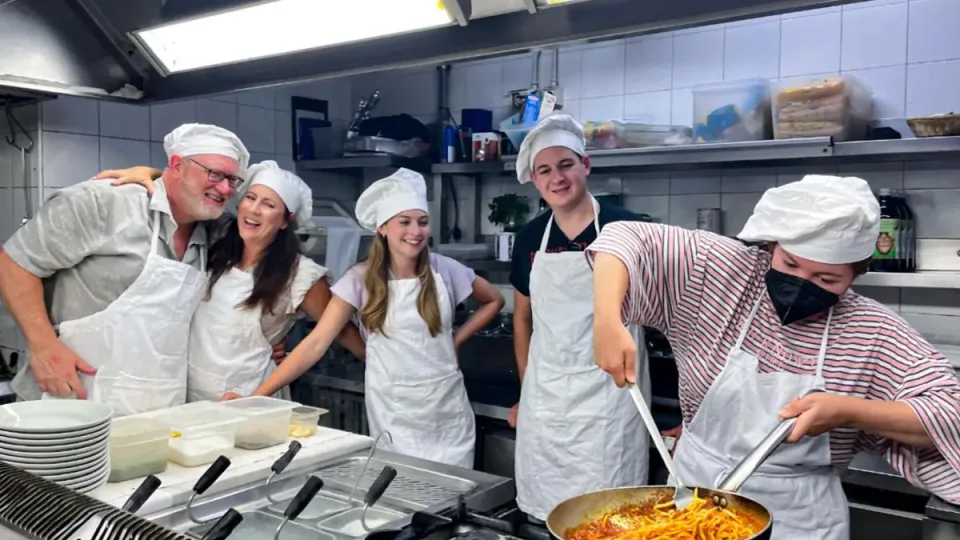
1. Professional cooking-school class
If you actually want to learn, this is the clearest format. Eataly Roma Ostiense currently runs practical cooking lessons across Roman cuisine, bread, pizza, meat, fish and other themes. A November 2026 “Roman first courses” class is listed at €70 for a three-hour evening session covering cacio e pepe, amatriciana, gricia and carbonara.
The advantage is structure: defined recipes, a professional instructor and a teaching environment. The disadvantage is that it can feel more like a class than an intimate travel experience.
Choose this if: you want repeatable technique and you care about the food more than the “meet a local” story.
2. Small-group pasta class
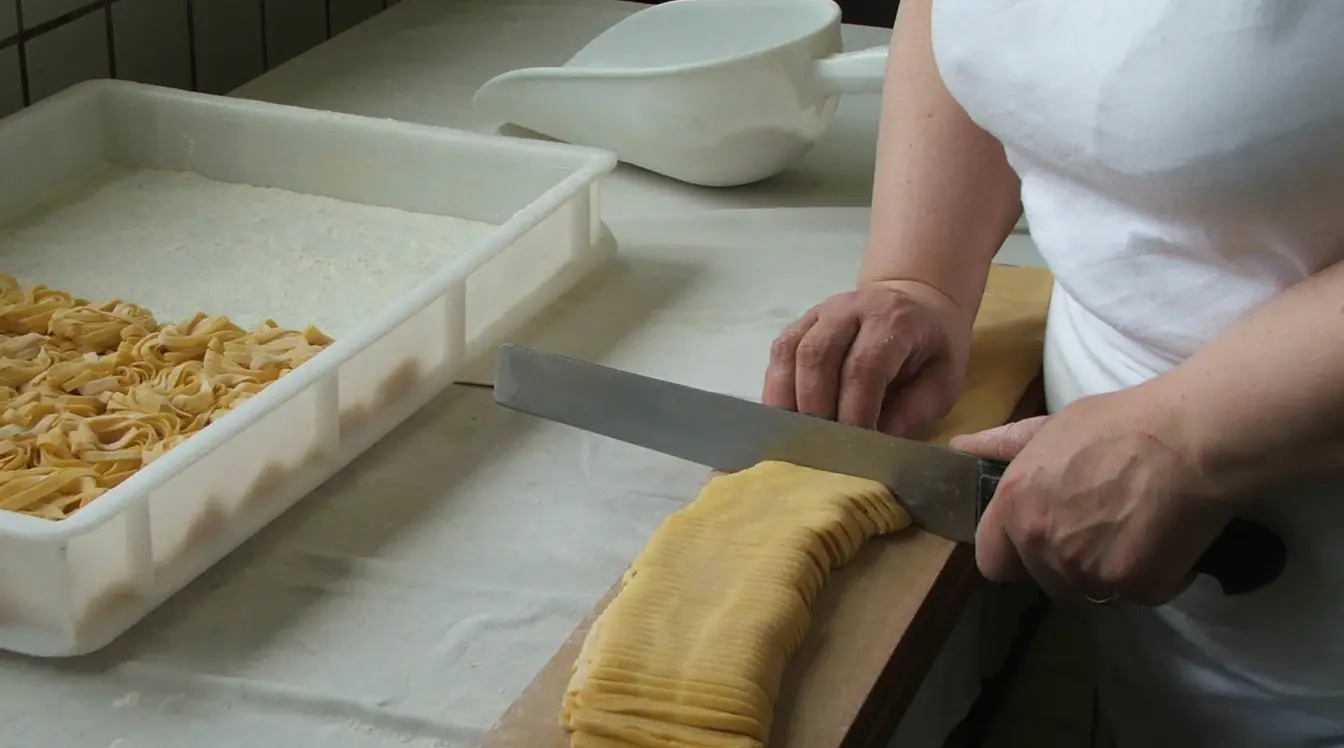
This is the most universally useful tourist format. Two to three hours, a small group, dough from scratch, one or two shapes and a meal afterward. It works because the activity is easy to understand even if you have never cooked.
The quality depends on participation. If the listing says you make three pasta dishes but the sauces and fillings are entirely pre-prepared, understand that the “three dishes” may really mean one dough exercise plus eating.
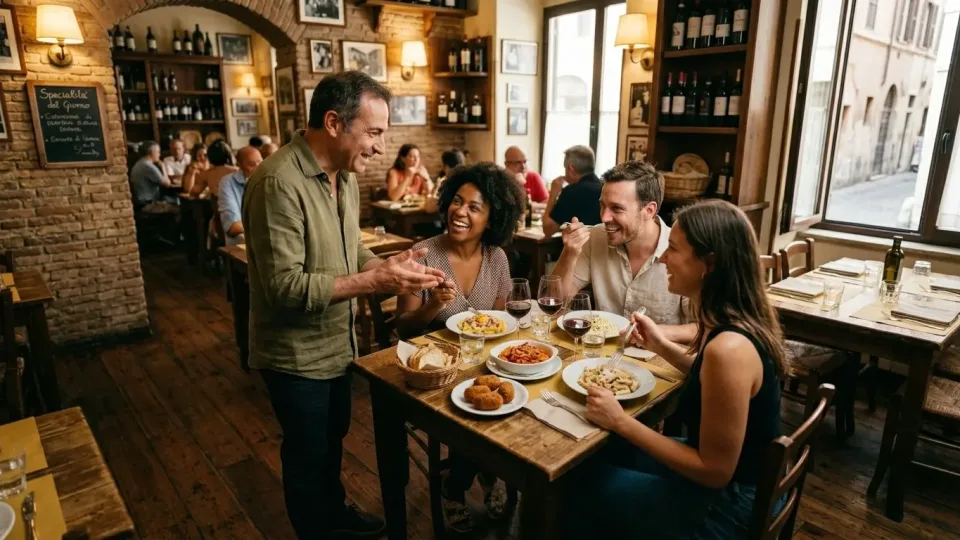
3. Pasta with a Nonna
This format is strongest when the host and family story are real. It is less about professional culinary technique and more about home cooking, recipes passed down and conversation.
Current Rome options include central-city experiences and a countryside format in Palombara Sabina. We cover the details separately in our Pasta With a Nonna in Rome guide.
Choose this if: people and culture matter as much as perfect pasta technique.
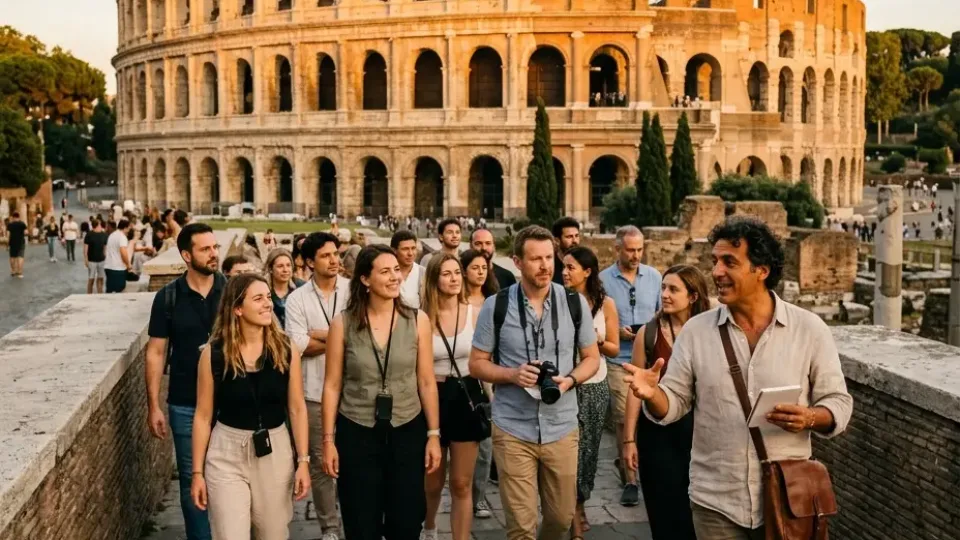
4. Market-to-kitchen experience
This format can be excellent because it teaches you how ingredients are chosen before you cook them. The good version visits a real market with a clear purpose — buying, tasting and understanding ingredients — then uses those ingredients in a kitchen.
The weak version spends 45 minutes walking through a market while the guide points at tomatoes, then takes you to a completely unrelated cooking class. Ask what is actually purchased and cooked.
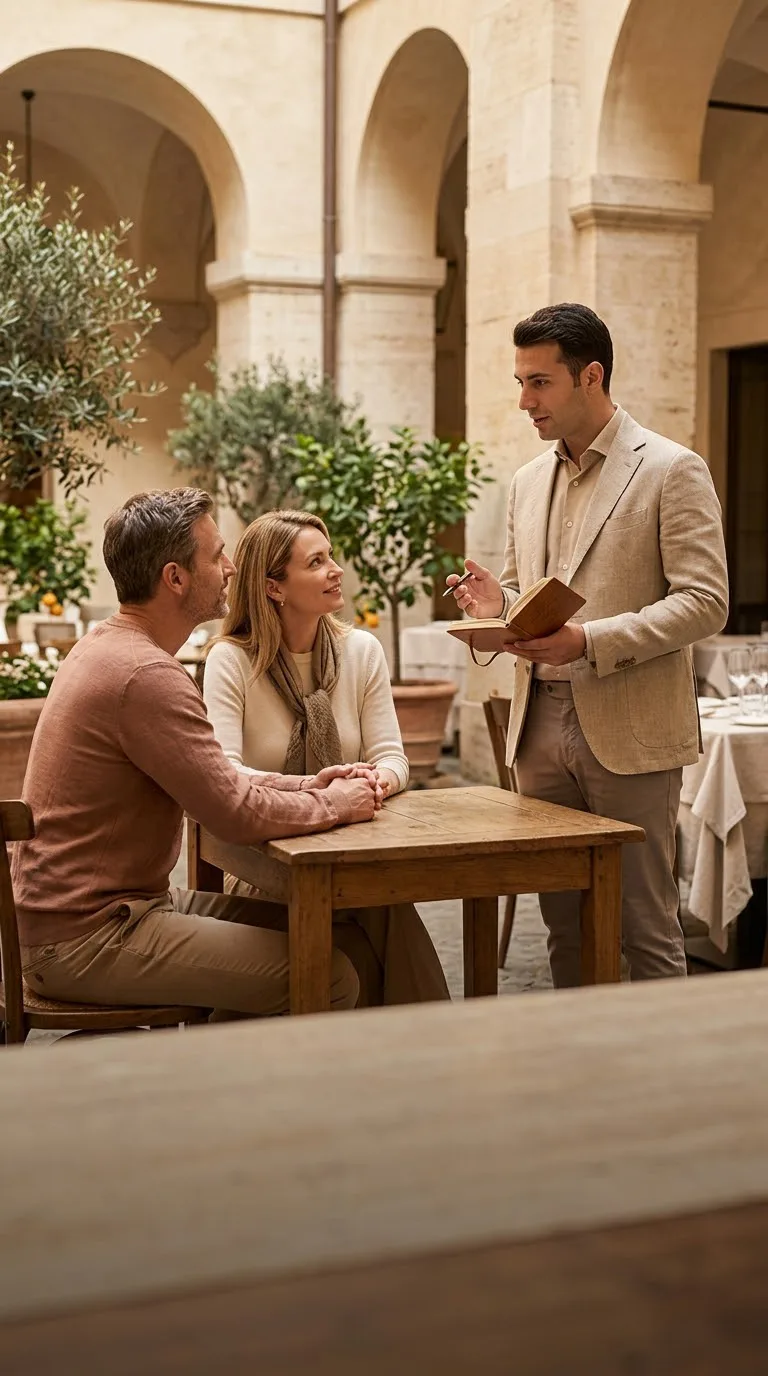
5. Private cooking class
A private class makes sense for dietary restrictions, a family, a serious food interest or a celebration. The main benefit should be customization, not simply the absence of strangers.
Ask whether the menu can be adjusted, whether you can focus on a specific Roman dish and how much hands-on time each person gets.
6. Couple cooking class
Eataly currently lists dedicated couple classes among its Rome programme, with some priced as a couple product rather than per person. This can be fun for an anniversary or date-style activity, but the word “couple” does not automatically make the class more romantic.
Choose it for the menu and teaching format, not candles in the marketing photo.
7. Family cooking class
Do not book an adult class and assume children can attend. Eataly’s current adult practical classes can explicitly be 18+, while it maintains separate children and family categories with different formats and prices.
For kids, the right class is shorter, more active and built around tasks they can safely perform.
How to tell a real class from a food-themed show
What should a good pasta class actually teach?
- How the dough should feel, not only ingredient quantities.
- How to knead and rest it.
- At least one shaping technique.
- Why a sauce fits a specific pasta.
- What can realistically be repeated at home.
- Common mistakes, not only the “perfect” demo.
Roman cuisine vs generic Italian cooking
If you are in Rome specifically to learn Roman food, look for cacio e pepe, gricia, amatriciana, carbonara, seasonal vegetables and local technique rather than a generic “Italian cooking” menu combining Tuscan bruschetta, Neapolitan pizza and tiramisu because tourists recognize all three.
Dietary restrictions
Tell the provider before booking. Gluten-free fresh pasta is not simply normal pasta with a different flour; celiac safety is a separate issue from dietary preference. Vegetarian adaptation is generally easier but still requires checking sauces, stocks and fillings.
How much should a cooking class cost?
Current local benchmarks show formal classes around €65–€75 at Eataly, while tourist-oriented small groups and private experiences can cost more. Price alone tells you very little until you know group size, duration, meal/drinks and instructor quality.
How to fit it into a Rome itinerary
Use the class as a meal. An evening cooking class can replace dinner; a lunchtime class can replace lunch. Do not book a full food tour immediately beforehand.
If the class is central, pair it with a nearby neighborhood rather than another timed attraction on the opposite side of the city.
Red flags
- Huge groups around one workstation.
- Most ingredients already prepared.
- No identifiable instructor or chef.
- “Authentic” repeated more often than the actual menu.
- No explanation of dietary handling.
- Five “recipes” in two hours with almost no real cooking.
Which one would I choose?
First visit: small-group Roman pasta class. Serious cook: professional school or private class. Food-and-people traveler: Nonna format. Repeat visitor: market-to-kitchen or a specialist class you cannot easily reproduce at home.
You can also browse our current cooking classes in Rome.
Frequently asked questions
How long is a Rome cooking class?
Many practical formats run around 2–3 hours, with longer market or private experiences depending on the programme.
Is a cooking class worth it in Rome?
Yes if you choose a hands-on format and treat it as both a meal and an experience rather than adding it on top of an already overloaded food day.
The community standard I would actually use: small group, real cooking, good teacher
A recent RomeTravel thread is almost a perfect brief for what travelers want: “small group”, “technical aspect”, and not a class that feels like a show. Replies then focus heavily on the chef’s personality and whether people genuinely learned something. That is more useful than counting how many dishes appear in the listing title.
I would choose the instructor before the Instagram set. A warm, technically clear teacher can make a basic pasta class excellent. A gorgeous kitchen with 16 people taking turns at one dough ball cannot.
Community check: Community discussion on Reddit. Community comments are anecdotal; factual details are checked against official sources elsewhere in this guide.
Sources checked
- Eataly Roma — current cooking classes
- Eataly — Roman first courses class, November 2026
- Eataly — current children/family classes
How to choose by neighborhood
A class near your existing route is often the better class. Monti works after ancient Rome; Trastevere works before an evening there; Ostiense/Eataly works if you are already exploring that side of the city. Add real travel time before comparing two experiences that look identical online.
What to bring home from the class
Ask for the recipes in a usable form and write down the sensory details the recipe cannot capture: how stiff the dough felt, when the sauce emulsified, how salty the water was, what the instructor corrected. Those details are what make the class repeatable at home rather than a pleasant meal you never reproduce.