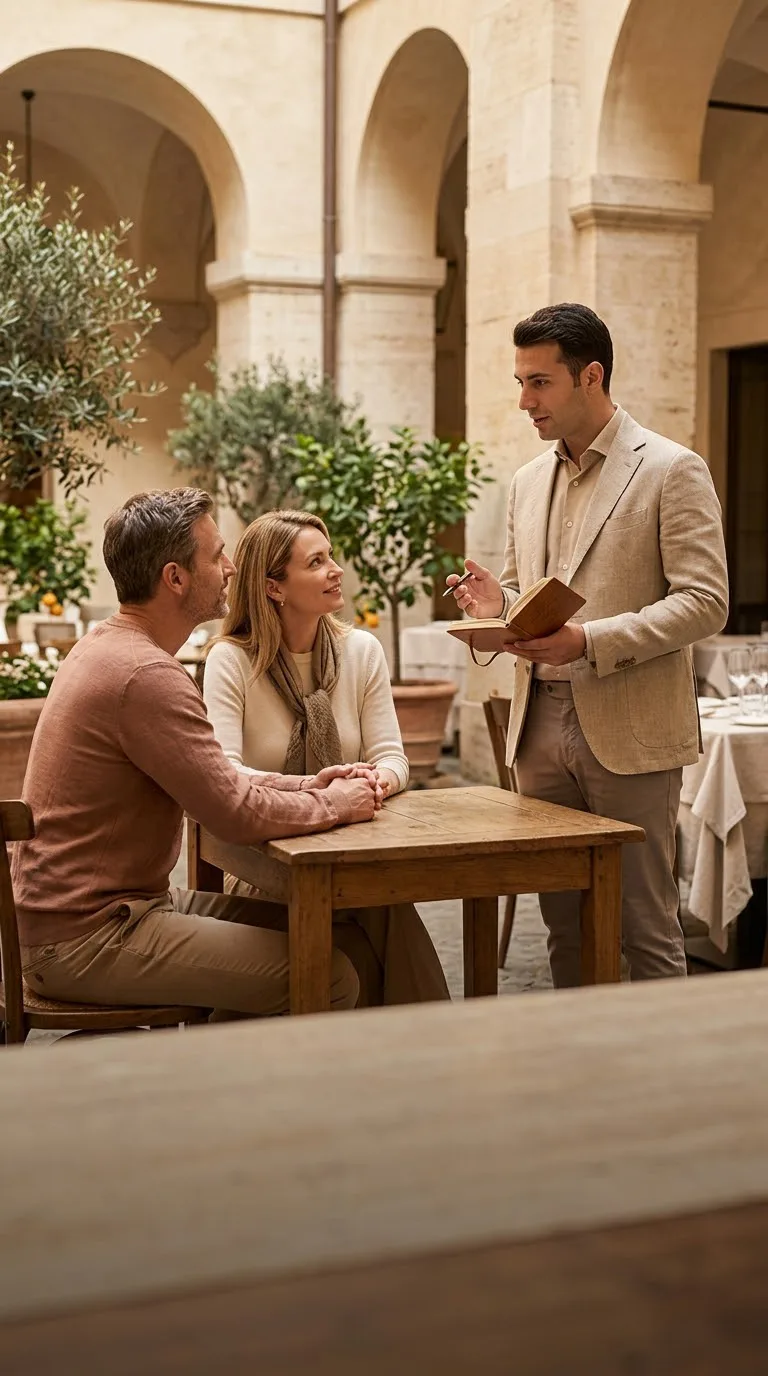

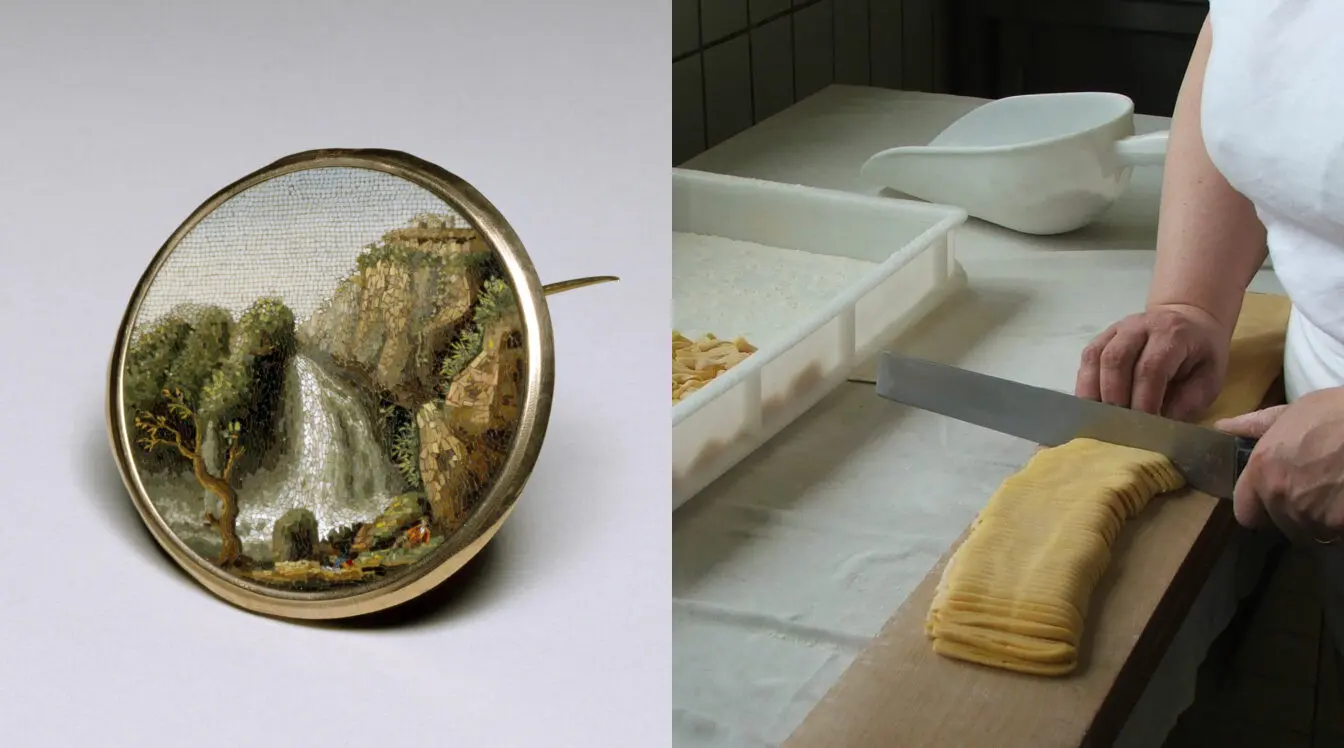
Rome becomes more interesting when you stop looking at it for a few hours and make something. Hands-on experiences are especially useful after several museum-heavy days because they change the rhythm of the trip: you cook, cut mosaic, shape a small object, work with glass or learn a technique from someone who actually practices it.
The best hands-on experiences are not random activities dropped into Rome. They use the city itself as context. Mosaic makes more sense after seeing Roman floors; pasta makes more sense after eating the dishes; jewelry and leather make more sense when they connect you with working makers.
| Best hands-on experiences in Rome — quick answer | |
| Best overall craft | Roman mosaic |
| Best wearable souvenir | Micromosaic or stained-glass jewelry |
| Best food experience | Hands-on pasta class or cooking with a local/Nonna |
| Best for families | Mosaic or a family-oriented cooking class |
| Best for couples | Cooking, jewelry or a private artisan workshop |
| Best for repeat visitors | Artisan studio, mosaic intensive or made-to-measure experience |
| Best rainy-day backup | Any indoor craft or cooking workshop |
| Biggest mistake | Booking three “experiences” in one day and turning fun into another schedule |
Information checked on September 22, 2026. Small studios change schedules frequently. Always confirm duration, language, age policy and what is included.
Hands-on experiences that are worth building a day around
1. Make a Roman mosaic
This is the hands-on experience I would recommend most broadly because it works for art lovers, families, couples and people who simply want a break from guided tours.
Studio Cassio currently offers short Roman mosaic workshops and a 2-day intensive course at €330; other small-group tourist workshops in Rome vary by provider, duration and materials.
2. Make micromosaic jewelry
Micromosaic is more delicate and more wearable. Studio Cassio’s current 2.5-hour jewelry workshop is €120 and available in English or Italian, with a minimum age of 12.
This is particularly strong for travelers who want an object small enough to wear home rather than pack into checked luggage.
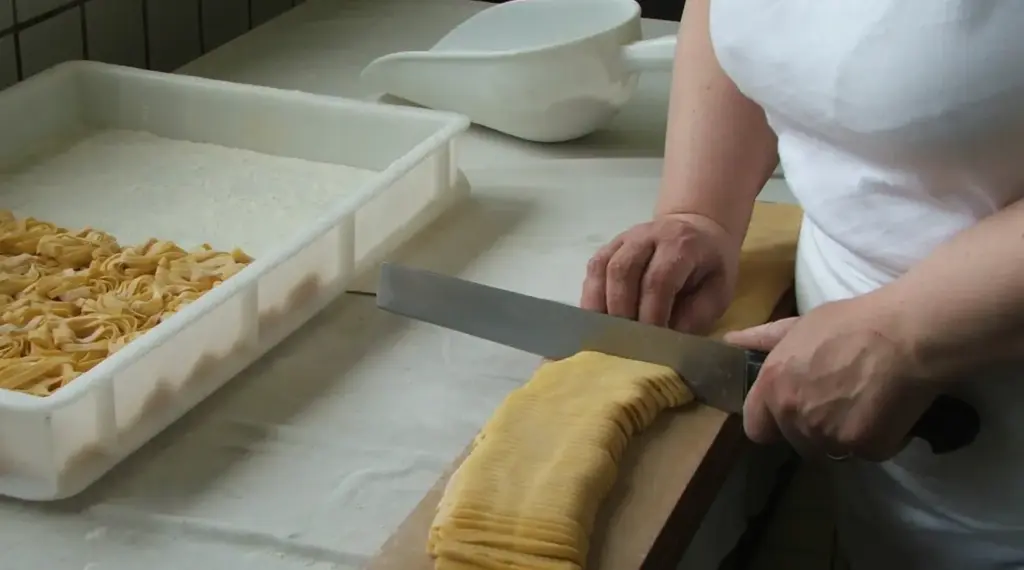
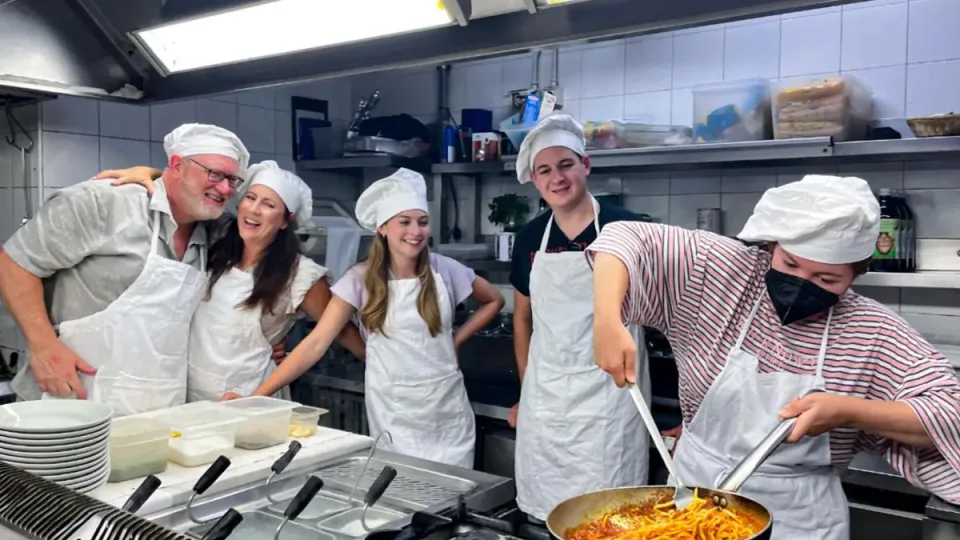
3. Take a real pasta-making class
Pasta classes are everywhere in Rome, so the quality difference matters. Choose one where you actually work with dough, shape pasta and understand why the recipe works rather than watching an instructor perform most of the process.
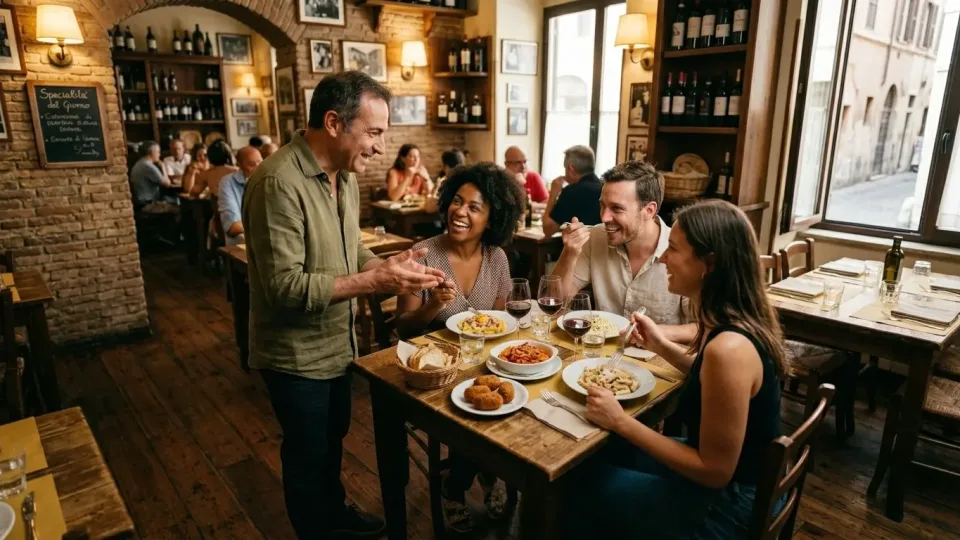
A cooking class also doubles as a meal, which makes it easy to justify in a crowded itinerary.
4. Cook with a Nonna
The “Pasta with a Nonna” format is more social and personal than a technical cooking school. Current Rome options include both central-city formats and the original countryside experience in Palombara Sabina.
Choose it for storytelling and home-cooking culture. Choose a chef-led technical class if exact technique matters more than the personal experience.
5. Make stained-glass jewelry
Small-group jewelry workshops let you work with color and decorative materials and leave with a finished piece. Romeing currently lists a miniature stained-glass jewelry experience at around €145 for 2–3 hours, up to six participants.
6. Try stained glass or decorative glass
Funtiffany in Trastevere works across Tiffany stained glass, mosaic, jewelry and other applied arts. Glass is an excellent option for design-minded travelers who want something visual but do not care about ancient-Rome themes.
7. Meet an artisan instead of taking a class
Not every craft needs to become a tourist workshop. Sometimes a private atelier visit, commission or shopping appointment is the better experience. Homo Faber currently maps dozens of Rome artisans across jewelry, leather, ceramics, tailoring, lithography, mosaic and other crafts.
For high-end travelers, commissioning something from a maker can be more meaningful than taking a beginner class.
8. Make a book or paper object
Bookbinding and paper-art workshops appear periodically across Rome’s cultural spaces. In 2026, workshops have included artistic binding, handmade book structures and bookfolding.
This category is less predictable than pasta or mosaic, so it is better for travelers with flexible dates who are willing to follow the current event calendar.
9. Do a food market experience where you actually buy and cook
A market tour becomes hands-on when it changes what happens afterward: choosing ingredients, understanding products and then using them in a kitchen. A tour that only walks through a market while the guide points at vegetables is not the same thing.
10. Choose made-to-measure instead of “workshop”
If your interest is fashion rather than DIY, a tailoring or leather appointment may be the more adult version of a hands-on experience. You are involved through measurements, material choices and fittings even though the professional does the actual construction.
How to choose without overbooking your trip
Which experience is best for a first trip?
I would choose one experience that complements what you are already doing. If your trip is heavy on ancient Rome, make mosaic. If it is food-heavy, take a class only if you genuinely want to cook. If you are traveling with children, choose the activity that gets them off their feet and using their hands.
Which experience is best for a repeat trip?
Go deeper: an artisan studio, multi-day mosaic course, custom jewelry, book arts or made-to-measure. Repeat Rome trips are where hands-on experiences become more valuable than another circuit of monuments.
How much time should you leave?
A 2–3 hour workshop needs a realistic half-day block. Add transport, check-in and the possibility that your piece takes slightly longer to finish. Do not put another timed admission ten minutes afterward.
How to avoid tourist-trap workshops
- The maker or instructor should be identifiable.
- You should physically do a meaningful part of the work.
- Group size should allow instruction.
- The materials should be explained.
- The final object should not be 90% pre-made.
- The business should have a real craft identity outside the tourist listing.
Can Do You Rome arrange private versions?
Some studios already offer private workshops, while other artisans work by appointment. Our Rome concierge service can help when you want a private group, family format, transport or a more specialist craft than the standard public calendar offers.
Frequently asked questions
What is the most unique hands-on experience in Rome?
Roman mosaic or micromosaic are among the most city-specific because the techniques connect directly with Rome’s artistic tradition.
What is good to do in Rome when it rains?
Indoor cooking, mosaic, jewelry and craft workshops are excellent weather-proof activities and can replace an outdoor sightseeing block.
Are workshops good for solo travelers?
Yes. They provide built-in activity and natural conversation, making them easier solo experiences than many formal dining or nightlife activities.
What Rome travel communities get right about “unique experiences”
When people ask r/rome for something unique, the most useful replies rarely produce one magical secret attraction. They suggest following an interest: Caravaggio, cinema, a craft, a neighborhood, a live event. That is a much better way to design a hands-on day too.
Do not book a mosaic class because a list told you it is unique. Book it because you care about making. Do not take a cooking class because “you are in Italy”. Take it because you would enjoy three hours in a kitchen. The local angle comes from choosing the right practitioner and context, not from forcing every hour to prove you found the real Rome.
Community check: Community discussion on Reddit. Community comments are anecdotal; prices, schedules and access rules are checked against official sources elsewhere in this guide.
Sources checked for this guide
- Studio Cassio — current mosaic programme
- Romeing — mosaic workshop
- Romeing — jewelry workshop
- Homo Faber — Rome artisans
- Funtiffany — applied-art workshops
examples and pricing checked September 22, 2026. Workshop calendars are dynamic; verify current availability before booking.
Experiences that look hands-on but often are not
Be cautious with activities described as “design your own” when the real task is choosing colors on an almost-finished product, and with food experiences where guests decorate rather than cook. There is nothing wrong with a light creative activity, but the listing should describe it accurately so you are not paying workshop prices for customization.
How many hands-on experiences belong in one Rome trip?
For a three-day first visit, one is enough. For five days, two can work if they are different — for example cooking one evening and mosaic another afternoon. On a repeat trip, you can make workshops the structure of the holiday. The point is to change pace, not replace one packed checklist with another.
Booking last minute vs ahead
Small studios have limited capacity, so specific English-language times can disappear faster than a large tour. Book ahead if the workshop is a priority. If it is only a rain backup, keep two or three acceptable options rather than locking half the trip around a craft you were not sure you wanted.