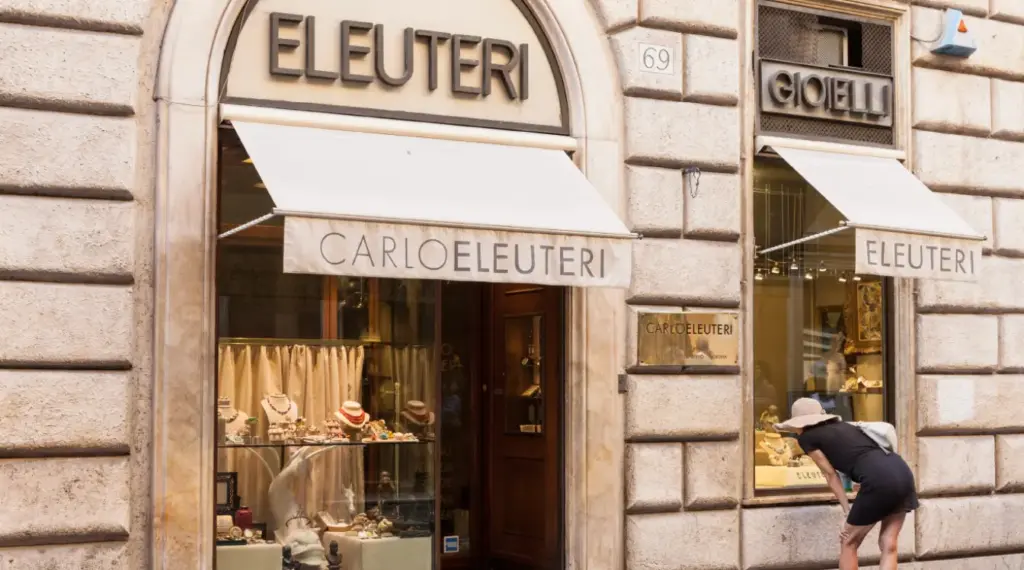

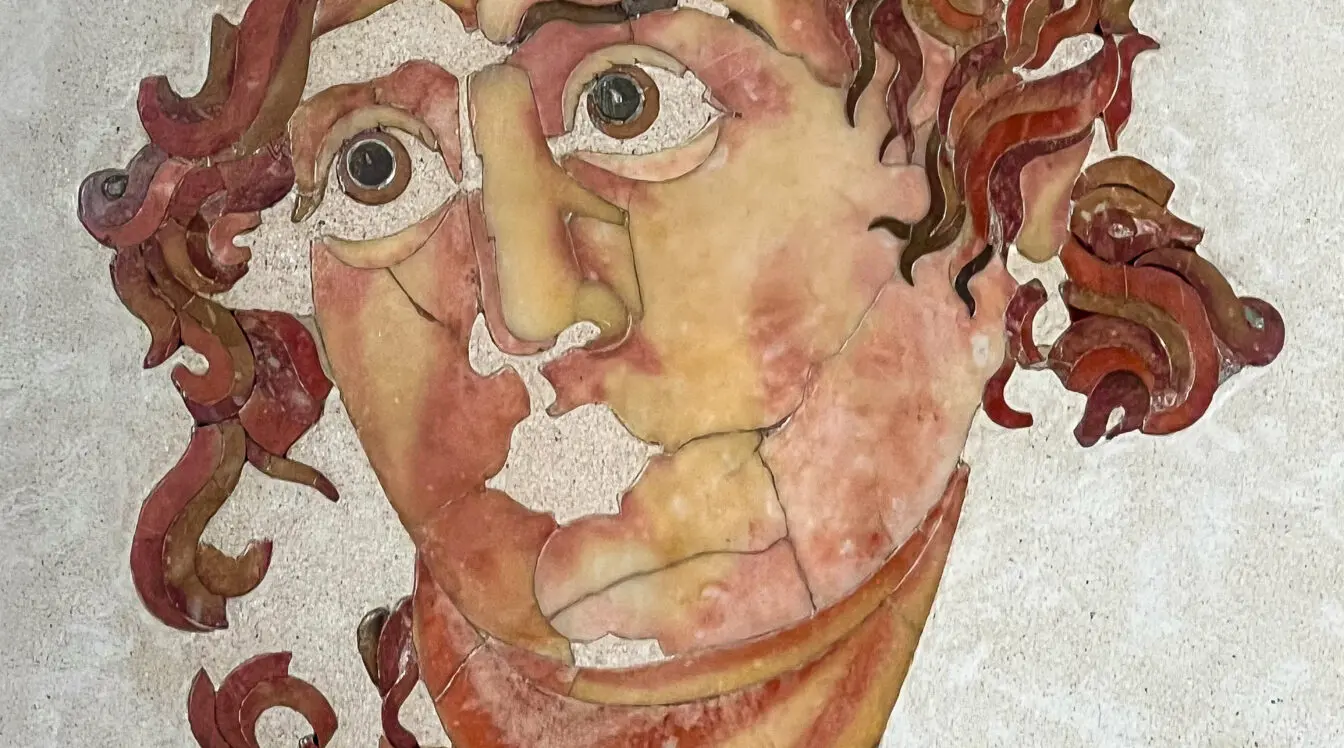
Rome is one of the best cities in Europe for hands-on craft experiences because the crafts are not invented for tourists. Mosaic, micromosaic, jewelry, leather, bookbinding, ceramics and decorative arts all belong to real local traditions and still have working studios behind them.
The best workshops are not the ones with the longest activity list. They are the ones where you actually make something, understand the technique and leave with an object that would still be worth owning if nobody had taken a photo of you making it.
| Rome artisan workshops — quick answer | |
| Best Roman craft | Mosaic or micromosaic |
| Best wearable souvenir | Micromosaic or stained-glass jewelry |
| Best for families | Mosaic, glass and selected creative workshops with age-appropriate formats |
| Best for serious craft lovers | Multi-day mosaic or micromosaic courses |
| Best for book lovers | Bookbinding and paper-art workshops when available |
| Typical short-workshop length | About 2–3 hours |
| Current pricing examples | Studio Cassio lists micromosaic jewelry at €120; its 2-day intensive Roman mosaic course is €330 |
| Biggest red flag | A “workshop” where most of the object is already made before you arrive |
Information checked on September 22, 2026. Workshop calendars change frequently because many studios are small. Confirm language, minimum age, group size and what you physically make before booking.
Workshops worth considering
1. Roman mosaic at Studio Cassio
Studio Cassio is one of the strongest options because it is a historic mosaic studio founded in Rome in 1947 and currently offers several workshop formats. Its current programme includes short Roman mosaic workshops, private options, a 2-day intensive at €330, a 4-day mosaic intensive and micromosaic courses.
This is a good choice if you want a technique with an obvious connection to Rome rather than a generic craft you could do anywhere.
2. Micromosaic jewelry
Studio Cassio currently offers a 2.5-hour micromosaic-jewelry workshop for €120, available in American English or Italian, with a minimum age of 12. You work with tiny glass elements to create a wearable piece.
This is one of the best tourist workshops in Rome because the final object is compact, easy to travel with and directly connected to a Roman decorative tradition.
3. Mosaic-making in Trastevere
Romeing currently offers a small-group mosaic workshop near the Botanical Garden in Trastevere. The published format is roughly 2–3 hours, up to eight participants, with tools and materials included and a box for taking your finished mosaic home.
The current price is €120. This option is particularly useful if you want a central neighborhood experience and do not need the more intensive studio-school feeling of a longer course.
4. Stained-glass and jewelry workshops
Funtiffany Arts & Crafts in Trastevere runs applied-art workshops involving stained glass, Roman mosaic, Trencadis mosaic and jewelry techniques. Romeing also currently lists a miniature stained-glass jewelry workshop lasting around 2–3 hours, with a maximum of six participants and a current price of €145.
These are good for travelers who want color, design and a finished wearable object rather than historical instruction alone.
5. Leather and specialist craft
Rome has working leather artisans and specialist makers, but leather workshops are more variable than mosaic experiences. Some studios focus on production rather than public classes, so check whether the offer is truly hands-on or simply a demonstration plus shopping visit.
Homo Faber’s current Rome directory is useful for finding active craftspeople, including leatherworkers, shoemakers, mosaic makers, tailors, ceramicists, jewelry makers and other specialists.
6. Bookbinding and paper art
Bookbinding is less consistently available to tourists, but Rome has an active paper and book-arts scene. In 2026, institutions and creative spaces have hosted workshops on artistic binding, handmade books and bookfolding.
This is a category where I would book only after confirming the exact date, language and whether the event is public rather than student-only.
7. Jewelry making beyond micromosaic
Rome’s jewelry scene is broader than luxury stores. Roma Jewelry Week 2026, scheduled for October 8–11, specifically promotes contemporary, artistic and historic jewelry realities across the city.
For a traveler, this means there is a real local ecosystem behind the workshop category. Look for classes where the maker’s normal work exists outside the tourist experience.
How to choose a workshop that is actually hands-on
How to tell if a workshop is worth the money
- You make a meaningful part of the object yourself.
- The instructor is a working artisan or specialist.
- Group size is small enough for actual help.
- Materials and tools are included or clearly explained.
- The finished object can realistically travel home.
- The technique has some connection to the maker or Rome.
Which workshop should you choose?
- First-time craft experience: mosaic.
- Best souvenir: micromosaic jewelry.
- Family: mosaic or glass with confirmed age suitability.
- Serious artist: multi-day intensive.
- Fashion/design traveler: jewelry or leather.
- Book lover: binding or paper art when the calendar aligns.
How much time should you leave?
A 2–3 hour workshop should be treated as a half-day activity once transport, arrival and the fact that handmade things do not always finish exactly on schedule are included.
Do not book the Vatican for 1:30 PM and a craft workshop across Rome at 2:00 PM because the booking platform claimed the first activity ends at 1:15.
Is it better than another museum?
For a first trip, museums and monuments still matter. But after several days of looking at art, making something yourself can be the reset that keeps the rest of the trip interesting.
For repeat visitors, I would prioritize a strong artisan workshop over another generic “top 10 attraction” without hesitation.
Can Do You Rome arrange a private workshop?
Some studios explicitly offer private or custom workshops for groups. If you are planning a family, birthday, company group or private itinerary, our Rome concierge service can help coordinate the workshop with transport and the rest of the day.
Frequently asked questions
What is the most Roman craft workshop?
Mosaic and micromosaic are the strongest choices because of their long connection with Roman decorative art and the city’s continuing specialist tradition.
Can beginners do a mosaic workshop?
Yes. Several current Rome workshops are specifically designed for beginners and provide tools, materials and step-by-step instruction.
Can I take the finished piece home?
Many tourist-oriented workshops are designed around a portable finished object. Confirm drying time, packaging and luggage suitability before booking.
The community angle: people want the making, not another performance
Recent Rome cooking/workshop discussions keep repeating the same preference: small groups, a real practitioner and enough hands-on time to feel you actually learned something. That matters for craft workshops too. A beautiful studio and a good story are not enough if you spend 80% of the session watching.
The Rome-specific value comes from technique and context. Mosaic is especially strong because you have already spent days seeing it under your feet and on church walls. Making a small piece changes the way you notice the real ones afterward — and that is a better reason to book than “I needed a rainy-day activity”.
Community check: Community discussion on Reddit. Community comments are anecdotal; prices, schedules and access rules are checked against official sources elsewhere in this guide.
Sources checked for this guide
- Studio Cassio — current Rome mosaic workshops
- Romeing — Trastevere mosaic workshop
- Funtiffany Arts & Crafts — workshops
- Homo Faber — Rome artisan directory
- Turismo Roma — Roma Jewelry Week 2026
workshop availability and prices checked September 22, 2026. Small studios change calendars frequently; confirm your date before building the day around a specific class.
How to choose a workshop by neighborhood
Location matters more than it looks on a booking page. A Monti workshop is easy to combine with the Colosseum, Santa Maria Maggiore and independent shopping. A Trastevere workshop works better with the Botanical Garden, Janiculum or an evening in the neighborhood. If the studio is outside your natural route, add travel time before deciding that a 2.5-hour class is a “quick activity.”
Private workshop vs regular small group
A regular small group is usually enough for a couple or solo traveler. Private becomes worthwhile for a family with different ages, a birthday, company group, advanced craft interest or somebody who needs the pace/materials adapted. Ask what private actually changes: instructor attention, project choice, schedule, language or simply the absence of other guests.
What to do with the finished piece
Before starting, ask how the object needs to travel. Mosaic can be heavier than it looks; glass and ceramics need protection; resin or adhesives may need curing time. A good tourist-facing studio should have a sensible take-home solution or explain shipping. The workshop is less useful if the final fifteen minutes become an improvised packing problem.