

Autumn is when Roman food starts to make more sense again. After the heat, richer pasta dishes, fried food, long lunches and seasonal produce become easier to enjoy, while markets shift toward cooler-weather ingredients.
What should you eat in Rome in autumn?
Classic Roman pasta
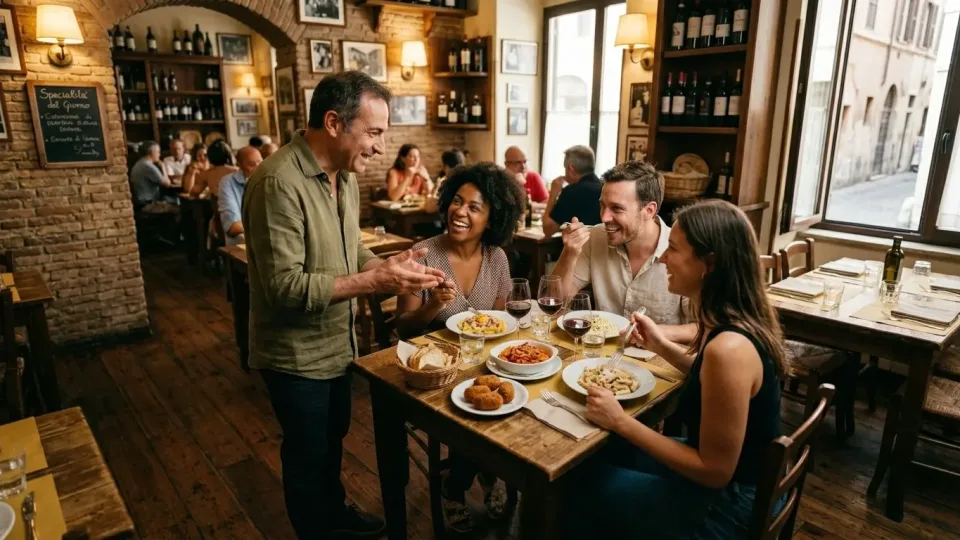
Carbonara, amatriciana, gricia and cacio e pepe are year-round dishes, but October and November are much more comfortable months to sit down for them properly.
Seasonal vegetables
Look for menus that change rather than places offering the exact same tourist menu all year. Artichoke season becomes increasingly relevant as autumn progresses, while mushrooms, pumpkin and leafy vegetables appear more often.
Chestnuts and cooler-weather snacks
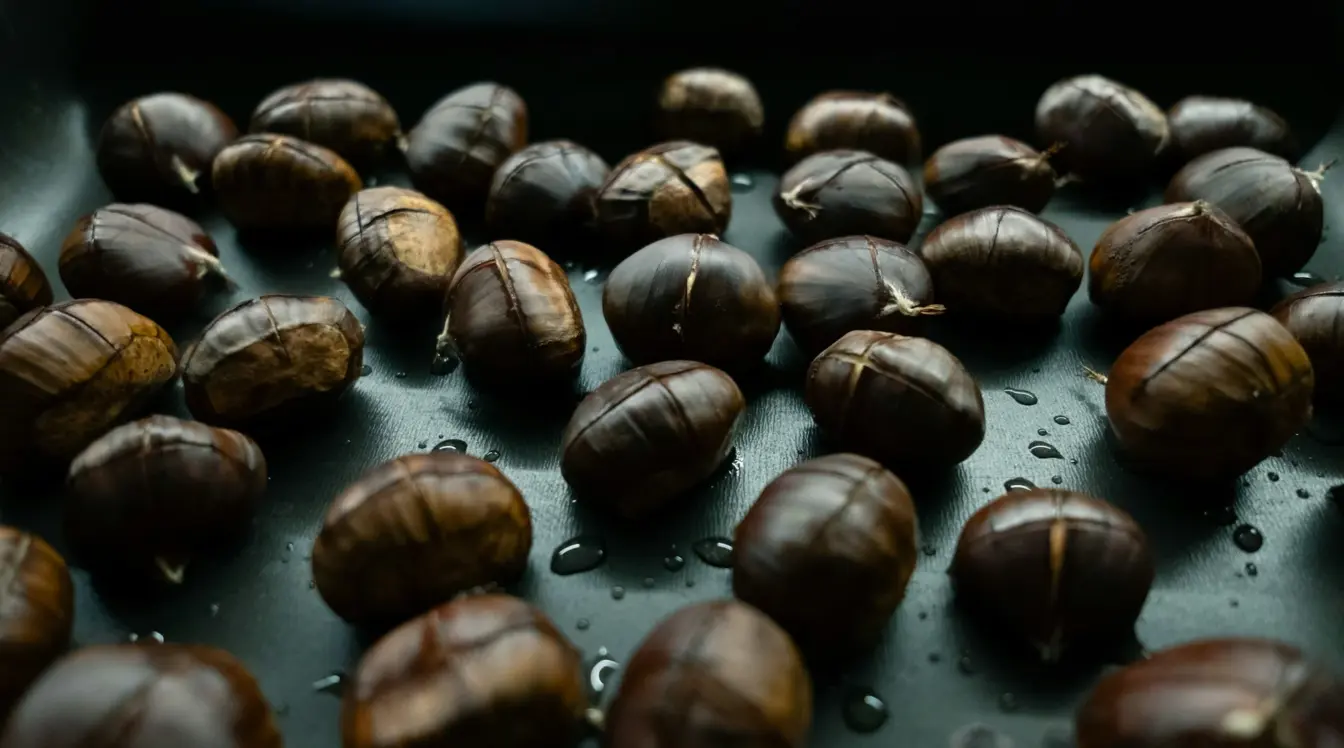
Roasted chestnuts begin to appear as the weather turns, especially around busy central areas. Treat them as a seasonal snack, not a substitute for exploring Roman bakeries and markets.
Food tour or restaurant hopping?
A food tour makes sense if you want context and several tastes in one neighbourhood. DIY works better if you already know which dishes and places interest you.
Compare the formats in our best food tours in Rome guide.
Cooking classes in autumn
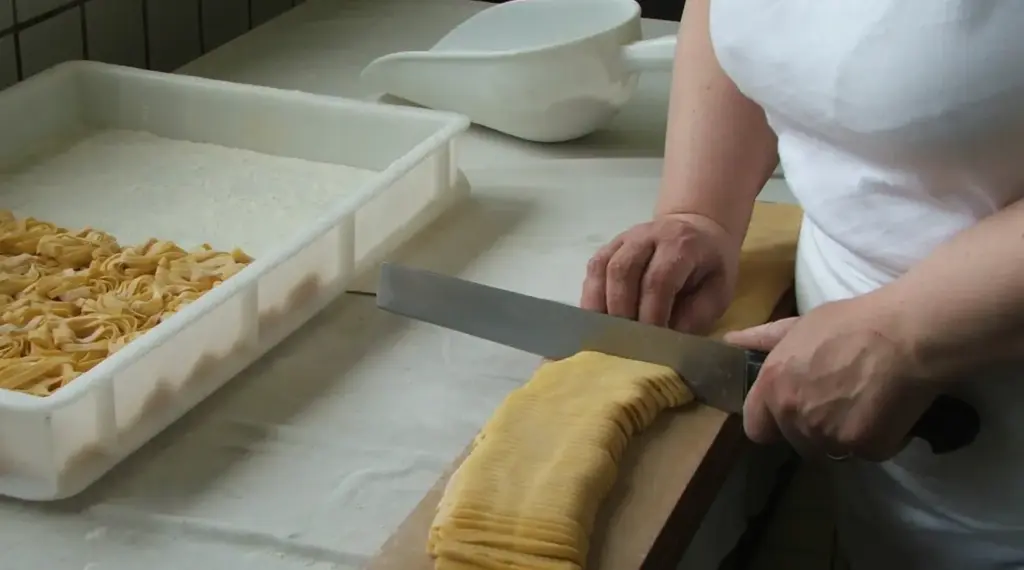
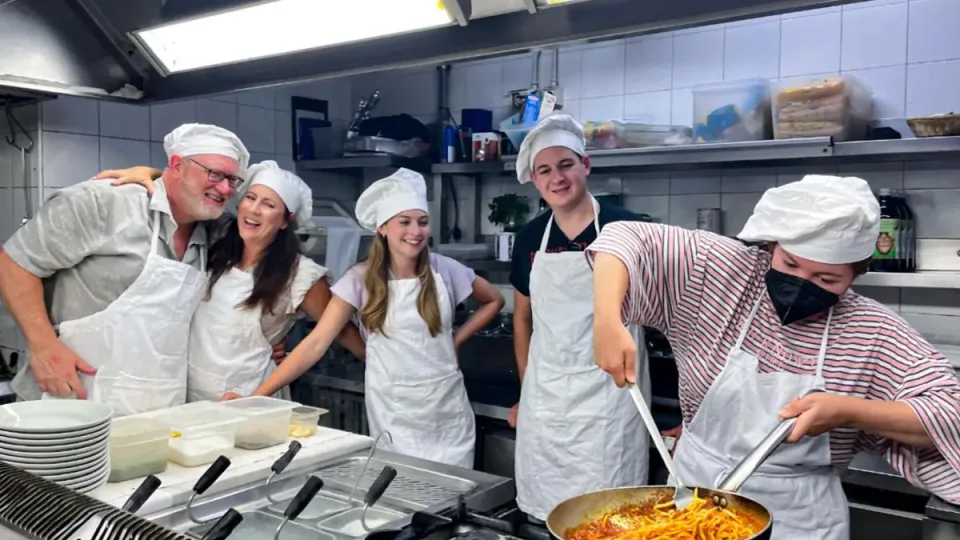
They become especially useful when the weather is unreliable. A fresh pasta class, pizza class or tiramisu and gelato class gives you a fixed indoor activity without wasting a travel day.
Best neighbourhoods for food
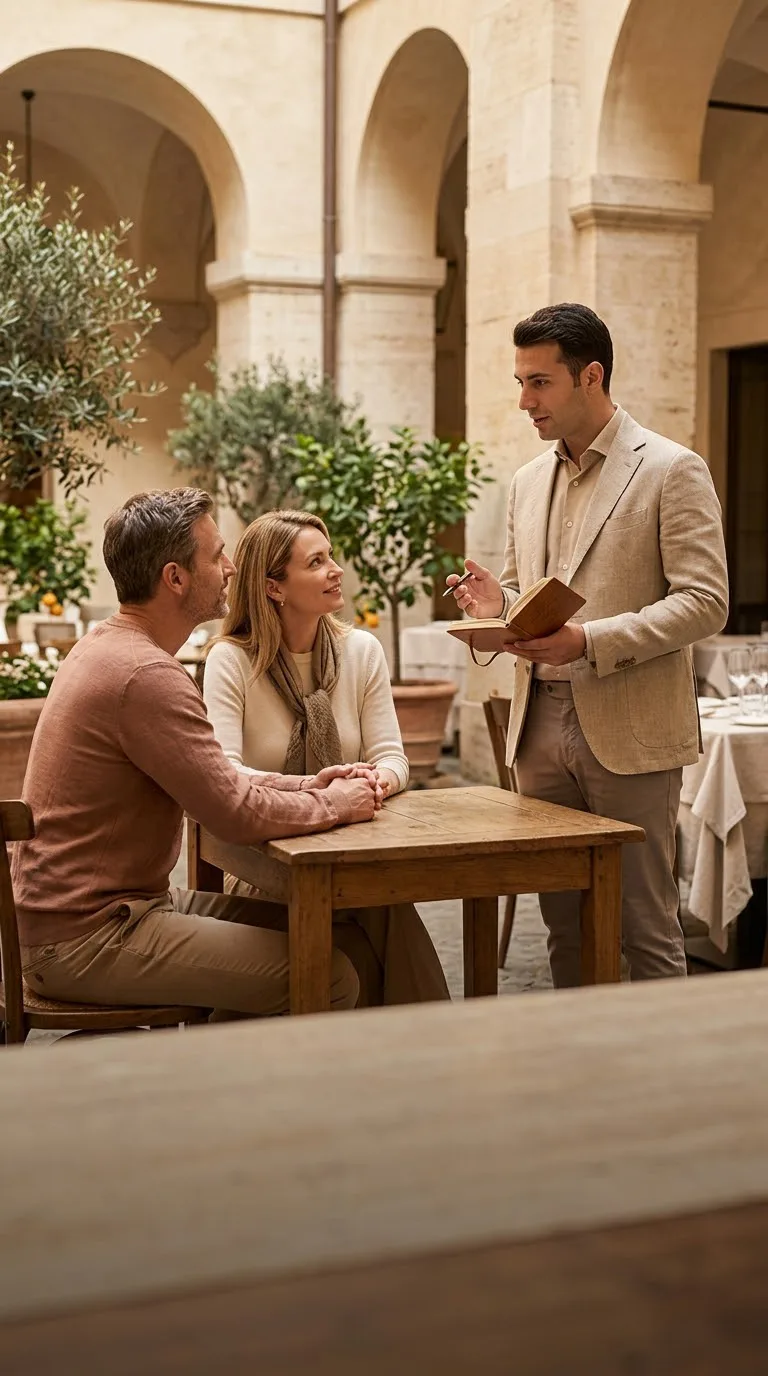
Trastevere is easy and atmospheric; Testaccio has a stronger food identity; the Jewish Ghetto adds a specific Roman-Jewish tradition; the historic centre works when time is limited.
Before choosing, read our broader guide to what to eat in Rome.
October or November?
October is better for combining food with long evening walks. November makes indoor dining and cooking experiences more valuable. See our guides to October and November 2026.
What is actually seasonal in Rome?
Not every dish on a Roman menu is seasonal. Carbonara and amatriciana are year-round classics; the seasonal layer comes from vegetables, market produce, mushrooms, chestnuts and the way menus shift as the weather cools. A restaurant that offers exactly the same long menu in August and November is not automatically bad, but it tells you less about the season.
Artichokes: important timing note
Roman artichokes are strongly associated with the city, but do not assume every “carciofo” you see in early October is at peak local season. Availability develops as autumn progresses and continues into the cooler months. If a restaurant aggressively advertises artichokes year-round, ask yourself where they are coming from rather than treating the word “Roman” as proof of seasonality.
Mushrooms, pumpkin and autumn vegetables
Autumn menus increasingly make room for porcini and other mushrooms, pumpkin, chicory and leafy greens. These ingredients often appear in pasta, side dishes and daily specials rather than in the famous four-pasta tourist menu.
Chestnuts: where they fit
Roasted chestnuts are an easy street snack once the weather turns, but they are not a uniquely Roman speciality. Enjoy them for the season, then save your appetite for foods that tell you more about the city: pizza bianca, supplì, Roman-Jewish dishes, bakery products and traditional pasta.
How to read a menu for seasonality
- Look for a shorter list of daily specials.
- Check whether vegetables change with the month.
- Be suspicious of menus trying to offer every Italian regional dish at once.
- Ask what is seasonal rather than asking only “what is typical?”.
- Notice whether the menu explains provenance or simply uses generic “traditional” language.
Best autumn meal structure
You do not need antipasto, first course, second course and dessert at every meal. For lunch after a long morning, one substantial pasta plus a vegetable side may be enough. Save larger multi-course meals for evenings when food is the main event rather than fuel between attractions.
Food markets in autumn
Markets are useful because seasonality is visible. Even if you are not cooking, walking through a market helps you understand what produce is actually around. Pair the market with a bakery, coffee or simple lunch instead of treating it like a photo stop.
Wine and cooler evenings
Autumn makes wine bars and slower aperitivo much more appealing. If you drink, use the season to explore Lazio wines rather than defaulting only to nationally famous labels. Ask for something local by the glass and let the staff explain it.
How to avoid “traditional Roman” tourist menus
Location alone tells you very little. Trastevere, the historic centre and the Vatican area all contain excellent places and weak ones. Warning signs include huge multilingual menus, aggressive staff outside, photos of every dish and a list that jumps from Roman pasta to pizza, seafood, steak and every Italian classic imaginable.
FAQ: autumn food in Rome
Is October or November better for food?
October is better for combining food with long walks and outdoor evenings. November gives you stronger cooler-weather atmosphere and more reason to spend time indoors over a meal.
Do I need a food tour?
No. A tour adds value mainly through context, curation and neighbourhood knowledge. If you enjoy researching restaurants yourself, DIY can be excellent.
What is one easy autumn plan?
Market or neighbourhood walk in the late morning, a proper Roman lunch, a lighter afternoon and a wine bar or food experience in the evening.