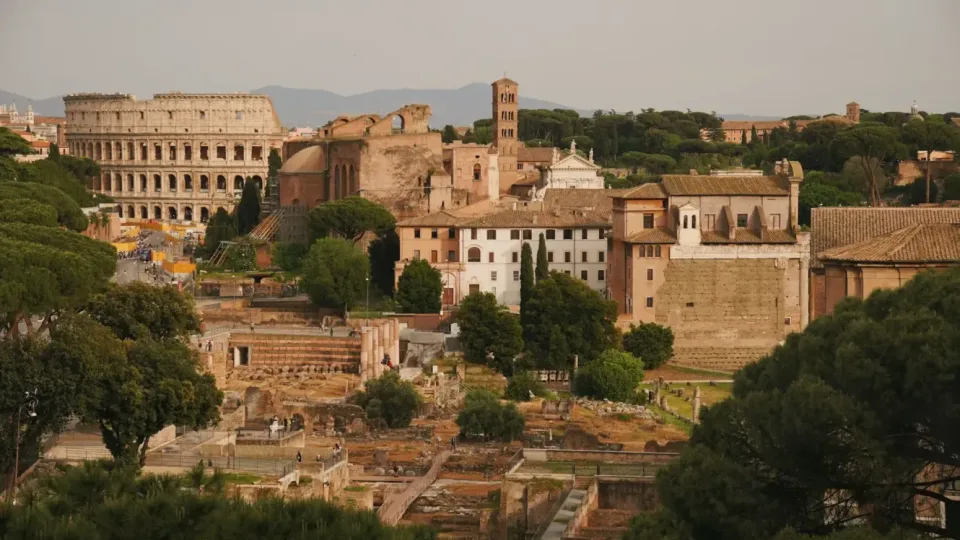


September is one of the best times to look at Rome beyond the usual postcard route. This time the reason is not just milder weather, but a real update: the Pyramid of Cestius is reopening with a new cycle of openings after restoration work funded through Italy’s PNRR programme. For travellers who want something less predictable than the usual Colosseum–Trevi Fountain–Pantheon sequence, this is exactly the kind of news worth paying attention to.
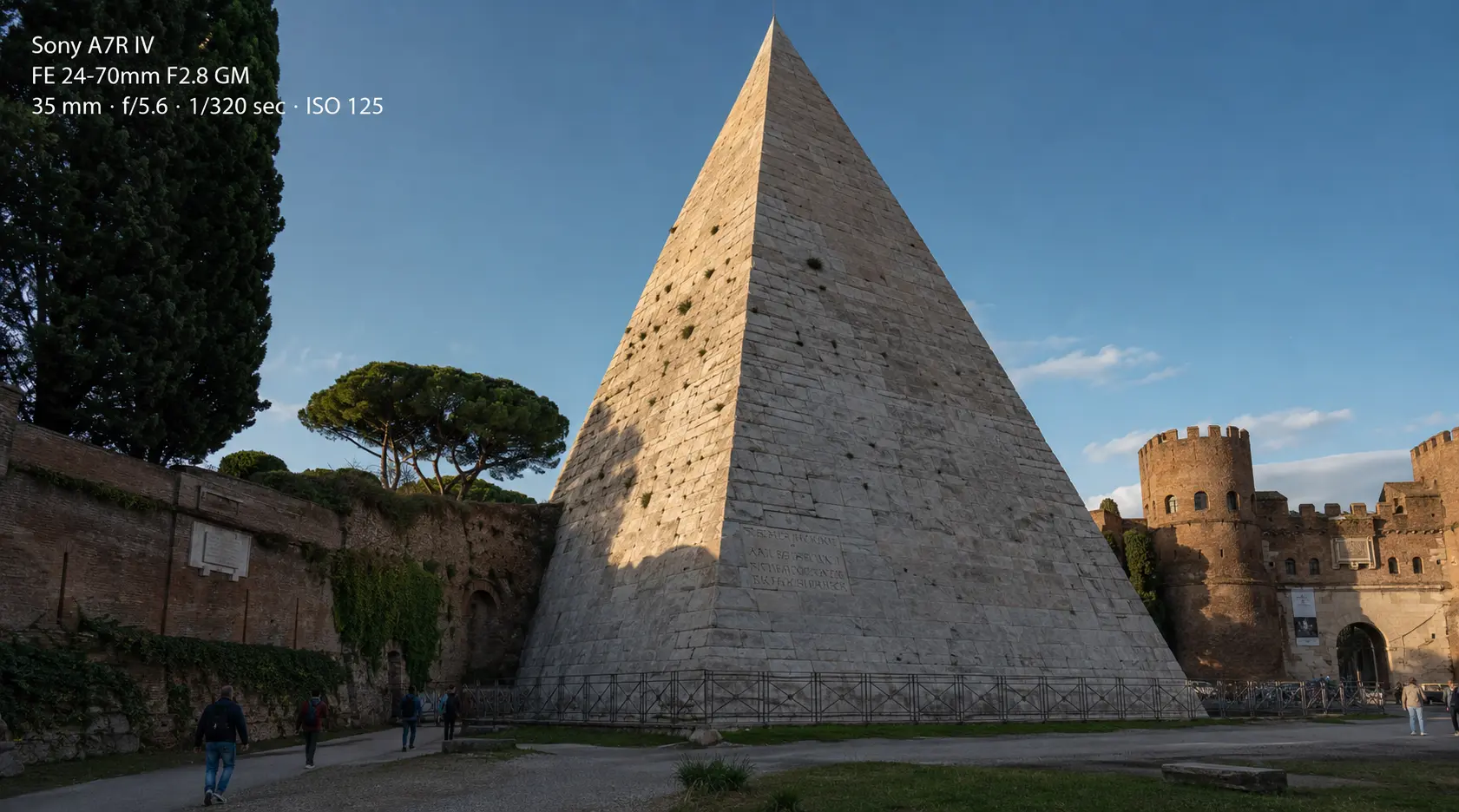
The appeal is not only the monument itself, but the setting around it. The Pyramid of Cestius is one of Rome’s strangest and most distinctive landmarks: a Roman tomb built in pyramid form, later incorporated into the Aurelian Walls, a short walk from Porta San Paolo and the Non-Catholic Cemetery. It is not the kind of place you can assume will always be open, because the site is normally accessible only through special openings and events. That is why the September and October 2026 dates matter.
The information below was checked on 1 September 2026 against official sources. The programme may change, so it is always sensible to confirm the latest update before you go.
Why the Pyramid of Cestius matters right now
The reopening is tied to a recent restoration and enhancement project funded by PNRR resources. According to the official announcement, the work included safety improvements on the access staircase, botanical reorganisation of the garden, a renewed lighting system and clearer educational and welcome signage designed to improve accessibility.
In practical terms, this means the story is not just ‘here is a monument’. The story is that Rome now has a newly enhanced site reopening with a defined calendar of free visits. That makes the topic useful both for search visibility and for travellers who need up-to-date information rather than generic background.
2026 schedule: daytime openings, evening visits and Heritage Days
The official calendar distinguishes three different types of openings, and the difference matters.
- Free evening guided visits: 4, 11, 18 and 25 September. Available slots are 7 p.m., 8 p.m. and 9 p.m., with a maximum of 30 participants per slot.
- Free daytime unguided visits: 5, 12 and 19 September, then 3, 10, 17, 24 and 31 October. Available slots are 4:30 p.m., 5:30 p.m. and 6:30 p.m., with a maximum of 50 participants per slot.
- Special openings for the European Heritage Days: 26 and 27 September. These are also free unguided visits, with slots at 10 a.m., 11 a.m., 12 p.m., 1 p.m., 2 p.m., 3 p.m. and 4 p.m., with a maximum of 50 participants per slot.
The key point is simple: visits are free, but booking is mandatory. You cannot assume you will just turn up and enter.
How to book the visit
For individual visitors, booking is handled through the number 060608, available every day from 9 a.m. to 7 p.m. The Capitoline Superintendency explains that individual visits follow a quarterly calendar and that, if the booked site becomes unavailable for any reason, an alternative time or a refund may be offered.
This matters because it prevents a common mistake. The Pyramid of Cestius is not a monument that operates like a regular all-day museum. The site is visitable only during special openings and events. If you want to include it in a trip, booking needs to be part of the planning, not an afterthought.
What kind of visit to expect
The Pyramid of Cestius is not a two-minute stop, even though many people only see it from outside while passing through Piazzale Ostiense. Going inside adds context to an area of Rome that many travellers move through too quickly. The interest lies in understanding why a pyramid-shaped Roman tomb stands here, how it became part of the Aurelian Walls and why it feels so visually different from the rest of the city.
The evening guided openings are likely the most atmospheric option for travellers who want explanation and structure. The daytime openings work better for those who want to fit the visit into a broader afternoon around the Aventine, Testaccio or Ostiense. The European Heritage Days are ideal for cultural travellers who enjoy scheduling visits around special city-wide initiatives.
Who this visit really suits
- Travellers who have already seen Rome’s essentials and want something less obvious.
- Visitors who like combining archaeology with neighbourhood context rather than collecting isolated monuments.
- People staying near the Aventine, Testaccio, Ostiense or San Saba.
- Anyone visiting in September who prefers afternoon or evening plans after the harshest summer heat.
If your trip is extremely short and focused only on the absolute classics, this may not be your top priority. But that is exactly why it works so well editorially: it is a useful, more selective choice rather than a generic one.
What to see around the Pyramid of Cestius
A good article should not stop at the reopening news. It should also help readers use the area well. The Pyramid sits close to Porta San Paolo and the Non-Catholic Cemetery, but it becomes far more interesting when linked to a small urban route.
One sensible combination starts on the Aventine, moves down towards the Pyramid of Cestius, then continues into Testaccio for food or a relaxed walk. Another option is to use the Pyramid as a starting point for exploring Ostiense, one of the best areas for seeing a more lived-in and less stereotypical side of Rome.
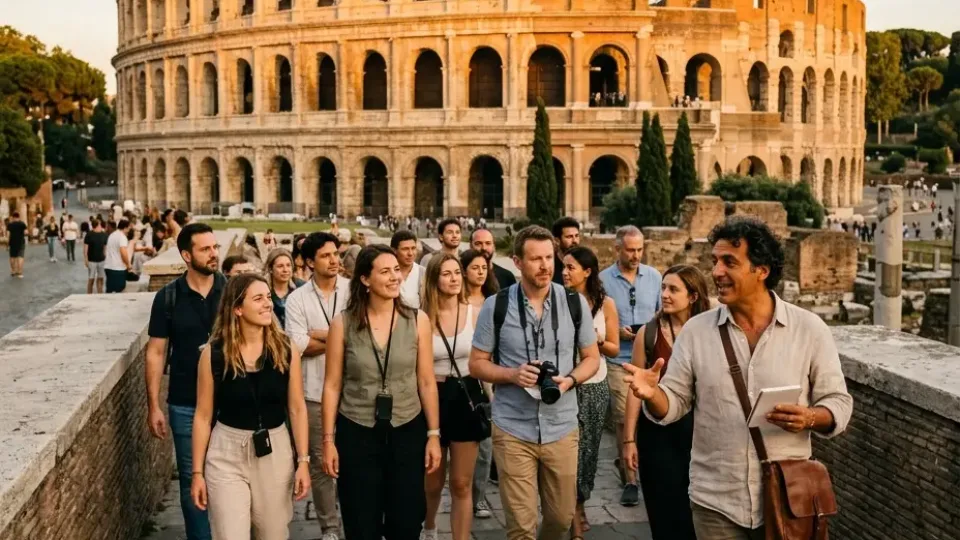
If you want a more experience-led approach, it makes sense to connect the area to walking tours in Rome, which work well for neighbourhood reading rather than checklist tourism. If you want to extend the day through food and local atmosphere, food tours in Rome can be a natural continuation, especially when Testaccio is part of the route.
How to fit it into a September stay
September is when Rome becomes busy again, but usually without the harshest August extremes. That makes the Pyramid of Cestius a strong afternoon or evening option: the timing is easier, the surrounding neighbourhoods are more enjoyable on foot and the whole experience feels less punishing than it would in peak heat.
For a broader monthly overview, start from Rome in September 2026: What to Do, Events and Exhibitions, then decide whether the Pyramid of Cestius should be a specific cultural stop or part of a wider day built around neighbourhoods, food and slower exploration.
The main practical advice is not to overload the same day. Pairing the Pyramid, Testaccio, a distant museum and a tightly timed booking elsewhere in the city can quickly make the itinerary awkward. Organising by area works much better.
Where Do You Rome fits in
Travellers who want to combine special openings, neighbourhood exploration and curated experiences can start from the main Rome tours page. If the challenge is coordinating the practical side — bookings, special requests, moving around or building a smoother day — concierge services in Rome can also be useful.
The point is not to pretend that the Pyramid of Cestius is itself a Do You Rome tour. The point is to place it within a more thoughtful way of experiencing Rome: fewer random checklists, more deliberate choices.
Is it worth visiting?
Yes, if you are interested in a slightly less obvious Rome and appreciate visits that combine history, architecture and neighbourhood context. Not necessarily, if you only have a very short first trip and need to focus on the biggest essentials.
The Pyramid of Cestius is interesting precisely because it feels slightly outside the most predictable image of Rome. It is a good choice if you want to add something unusual to a September itinerary without leaving the city.
Quick FAQ
Is the Pyramid of Cestius always open?
No. The site can only be visited during special openings and events.
Are the September and October 2026 visits paid?
No. The newly announced cycle is free, but booking is mandatory.