
The best book to read before Rome is not necessarily the book with the most Roman monuments in it. Some books help you understand the city’s history; others teach you how generations of travelers imagined Rome; others simply make the streets feel different when you arrive.
This reading list is deliberately mixed: ancient Rome, travel writing, novels, poetry and modern literary Rome. You do not need to read all of them. Pick one based on the kind of trip you are taking.
| Books to read before Rome — quick answer | |
| Best first-time travel classic | Goethe — Italian Journey |
| Best for Romantic Rome | John Keats / Percy Bysshe Shelley poems and letters |
| Best accessible ancient-Rome nonfiction | Mary Beard — SPQR |
| Best modern literary Rome | Alberto Moravia — choose by taste, then visit his house museum if interested |
| Best for walking / observation | Stendhal — Rome, Naples and Florence / Roman writings |
| Best guilty-pleasure thriller | Dan Brown — Angels & Demons |
| Best film-adjacent inspiration | Elizabeth Gilbert — Eat, Pray, Love |
| Rule | Read one book deeply rather than carrying six “Rome books” you never open |
What to read — and what each book changes about the trip
1. SPQR — Mary Beard
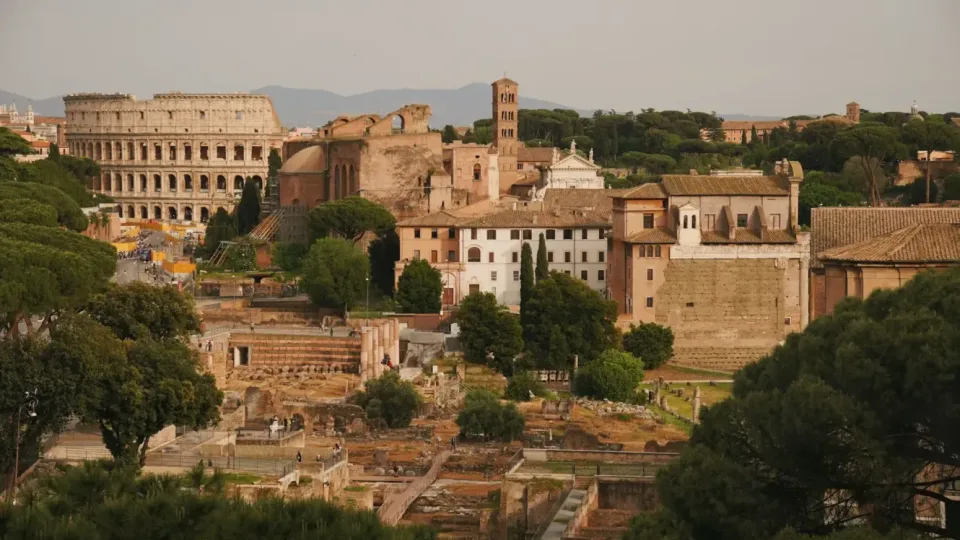
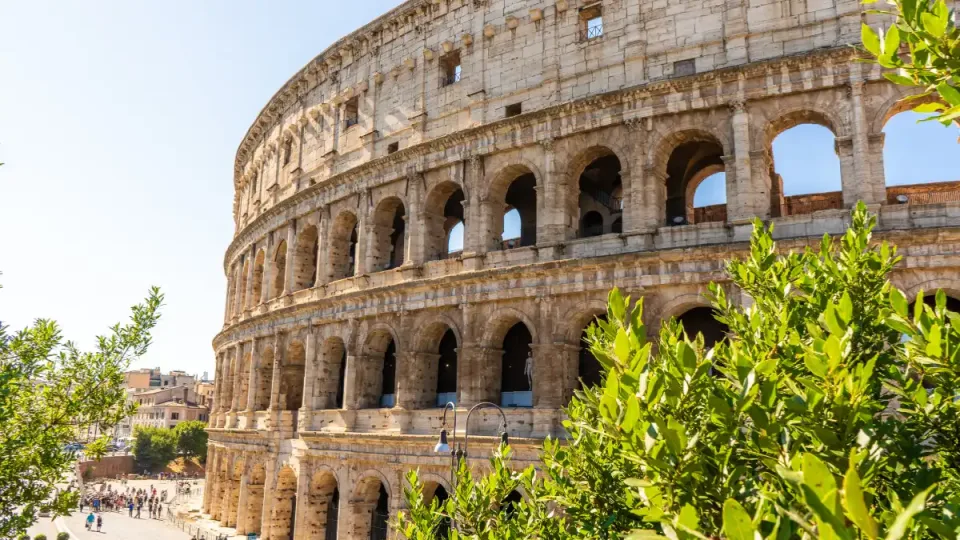
If ancient Rome is a major reason for your trip, SPQR gives you a broad narrative of Roman society and power without requiring an academic background. It will not replace a guidebook at the Forum, but it makes the Forum feel less like disconnected stones.
Read if: Colosseum, Forum, Palatine and Roman history are central to the trip.
2. Italian Journey — Johann Wolfgang von Goethe
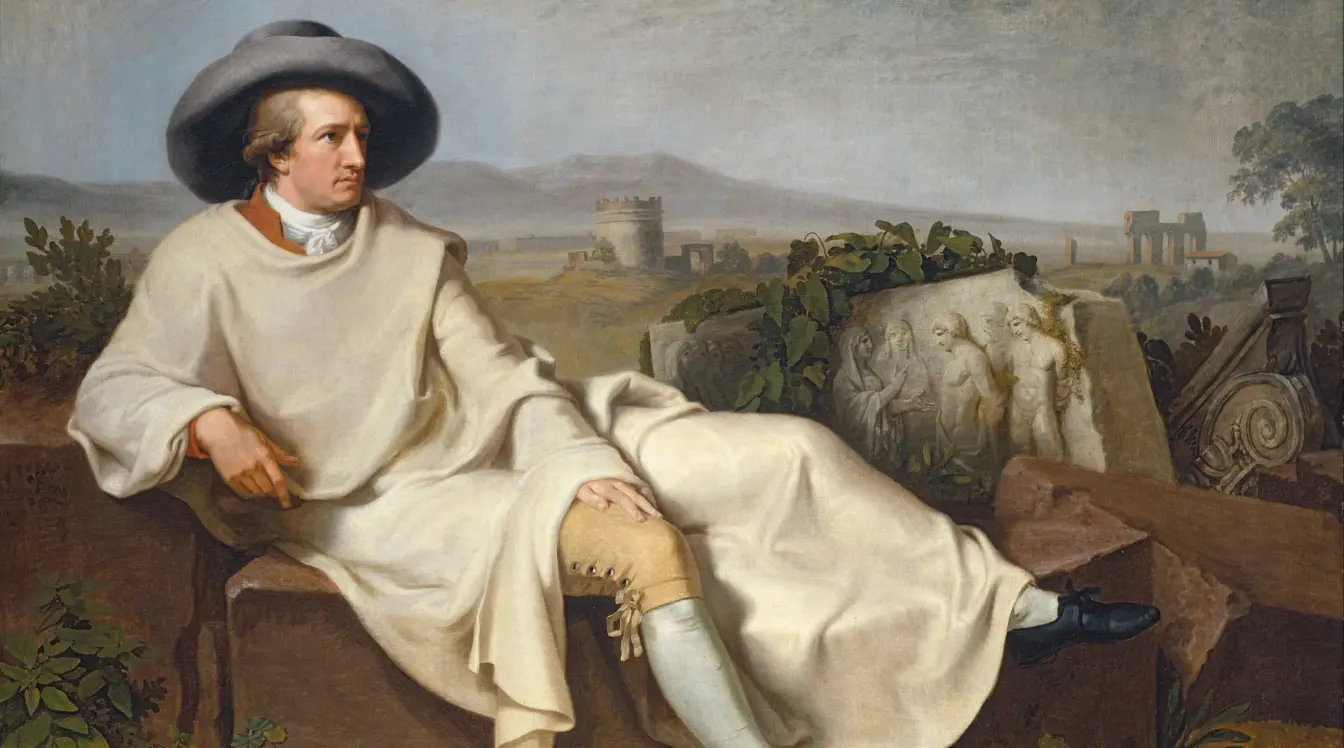
Goethe spent much of his Italian journey in Rome from 1786 to 1788, and his former apartment on Via del Corso is now Casa di Goethe. Reading even selected passages before visiting gives you a direct bridge between text and place.
Read if: you like travel writing, the Grand Tour or the way outsiders have imagined Italy.
3. Keats — selected poems and letters
You do not need to become a Romantic-poetry scholar. Read a small selection, then visit the Keats-Shelley House beside the Spanish Steps where Keats spent his final days.
The physical proximity between the busy modern staircase and his small preserved room is part of what makes the visit powerful.
4. Shelley and Byron — for the wider Romantic circle
The Keats-Shelley House collection goes beyond Keats to Shelley, Byron and the Romantic network that moved through Italy. A few poems and letters are enough to understand why Rome became such an important imaginative destination for British writers.
5. Alberto Moravia
Moravia gives you twentieth-century Rome rather than ancient or Grand Tour Rome. His former home is now a house museum included in Turismo Roma’s network of writer/artist homes.
Read if: you want modern Italian literature and social observation rather than historical travel writing.
6. Stendhal
Stendhal wrote extensively about Italy and Rome and stayed in the city repeatedly. Turismo Roma traces his presence through historic-center hotels and quotes his admiration for the Pantheon.
Read if: you enjoy the act of looking at a city and comparing a past traveler’s impressions with your own.
7. Angels & Demons — Dan Brown
It is not an art-history textbook. It is, however, a very effective way to turn Bernini’s Rome into a thriller route. Read it for entertainment, then use the real churches and monuments to separate fiction from history.
Our Angels & Demons Rome Locations guide does exactly that on the ground.
8. Eat, Pray, Love — Elizabeth Gilbert
The Italy section is about pleasure, language, food and giving yourself permission to slow down. You do not need to agree with every part of the memoir for it to change how you approach a food-focused Rome trip.
9. A Roman guidebook written by an art historian
Not every pre-trip book needs to be literature. If your interests are churches, Renaissance/Baroque art or archaeology, one serious subject-specific guide can save you from standing in front of extraordinary objects with no idea what you are looking at.
10. Buy one book in Rome rather than before the trip
Leave space in the reading list for discovery. Otherwise Bookshop near Piazza Navona specializes in English-language publishing and Italian literature in translation. Museum shops at Keats-Shelley and Casa di Goethe can also give you editions directly tied to the places you visited.
How to use a reading list without turning Rome into homework
What to read by trip type
- First trip: SPQR + one literary/travel book.
- Ancient-history trip: Mary Beard plus a site-specific guide.
- Romantic/couples trip: Keats + Roman Holiday rather than ten guidebooks.
- Food trip: Eat, Pray, Love for mood plus serious current food research.
- Literary trip: Goethe, Keats/Shelley and Moravia.
- Thriller/movie fan: Angels & Demons plus our real-location guide.
When should you read them?
Read the broad history before the trip. Save poems, short essays and travel passages for Rome itself. Reading a Keats poem the night before visiting his room is more effective than finishing 500 pages three months earlier and remembering none of it.
Frequently asked questions
What is the best book for understanding ancient Rome?
Mary Beard’s SPQR is a widely accessible modern overview, though travelers with a specialist interest may want a more focused archaeological guide as well.
What should I read for literary Rome?
Goethe’s Italian Journey, selected Keats/Shelley and a modern Italian writer such as Alberto Moravia create a strong three-period introduction.
A local-literary reality check: the city rewards one obsession more than a giant reading list
A recent r/rome discussion about unique experiences included a repeat visitor planning a day around seeing every Caravaggio in the city. That is exactly the kind of single-subject focus that makes a Rome reading list useful too.
Pick one writer or period and let it change a day: Goethe around the Corso, Keats around Piazza di Spagna, Moravia for twentieth-century Rome. Reading becomes valuable when it sharpens what you notice, not when it sits unread in your luggage.
Community check: Community discussion on Reddit. Community comments are anecdotal; factual details are checked against official sources elsewhere in this guide.
Places connected to this reading list
A reading list if you only have one week
- One history: selected chapters of SPQR.
- One traveler: selected Italian Journey.
- One short literary voice: a handful of Keats poems/letters.
- One fun book: Angels & Demons if thrillers are your thing.
That is enough to change what you notice without turning vacation preparation into a syllabus.
Books to read while you are already in Rome
Save short forms for the trip: poems, letters, essays and one chapter of travel writing at a time. Read Goethe before walking to his house, Keats before Piazza di Spagna, or a Dan Brown chapter before following Bernini locations. Place makes the text easier to remember.
What not to use as a guidebook
Novels and memoirs are not current logistical guides. Restaurants close, ticket systems change, and fiction deliberately distorts geography/history. Let literature shape your attention, then use current official information for opening hours, reservations and transport.
Where to buy these books in Rome
Otherwise Bookshop is an obvious English-language stop near Piazza Navona. Keats-Shelley and Casa di Goethe sell publications tied to their collections. Buying one title after seeing the place is often more satisfying than carrying an entire Rome reading stack from home.
If you prefer fiction to history
Skip the obligation to read a general history cover to cover. Choose a novel/memoir that makes you want to walk, then use a good guide or private tour for the factual layer on site. Travel reading should increase curiosity, not become homework you resent before departure.
Audiobooks count
An audiobook can be ideal on the flight or train, but do not listen while crossing Rome traffic or navigating crowded sites. Use it during transit/rest, then let the city have your attention when you are actually walking through it.
Italian literature in translation
Use a Rome bookshop to discover contemporary Italian authors rather than limiting the list to dead foreign travelers. Ask for a novel set in Rome or written by a Roman author in English translation; this gives the trip a living literary layer rather than only Grand Tour nostalgia.