The best Rome souvenirs are often the things you will still use six months later: a serving piece, a beautiful glass, a fountain pen, a kitchen object, good olive oil, coffee or a food product that reminds you of the trip every time you open the cupboard.
Rome is especially good for this because historic stores, neighborhood markets and specialist food shops are spread throughout the center. The trick is choosing products that are actually worth the luggage space and, if you are flying home to the United States, understanding which food items are easy to bring back and which can create problems at customs.
| Rome homeware & food souvenirs — quick answer | |
| Best homeware area | Jewish Ghetto / Via del Portico d’Ottavia for historic tableware specialists |
| Best food-market stop | Mercato Trionfale |
| Best easy food gifts | Packaged pasta, coffee, sweets, olive oil and other shelf-stable products |
| Best design gift | Writing instruments, leather desk goods, tableware or a small artisan object |
| Best for serious tableware | Historic specialists such as Leone Limentani |
| US customs rule | Declare all agricultural food products; keep original packaging and receipts |
| Biggest mistake | Buying heavy, fragile or perishable items before thinking about the flight home |
Information checked on September 23, 2026. US agricultural import rules can change quickly. USDA and CBP have the final say on what may enter the United States, so always recheck if you plan to bring meat, fresh produce or other restricted items.
Homeware and food souvenirs that justify the luggage space
1. Tableware from a real specialist
ENIT specifically points to historic shops around Via del Portico d’Ottavia for porcelain, glasses, cutlery and silverware. Turismo Roma lists Leone Limentani among the city’s Historic Shops of Excellence for tableware, silver and crystal.
If you enjoy cooking or entertaining, this category makes far more sense than generic decorative souvenirs. A pair of glasses, a serving piece or a small silver object can become part of everyday life at home.
2. A fountain pen or leather desk object
Antica Cartotecnica near the Pantheon is one of Rome’s best specialist shops for writing instruments, vintage objects and leather goods. Its own products include made-in-Italy bags and notebooks, and the store offers personalization and repair services.
This is a particularly strong gift for someone who likes design, books or stationery because it feels luxurious without being another fashion logo.
3. Olive oil
A good bottle of extra-virgin olive oil is one of the easiest ways to bring Italian food culture home, provided you pack it well. Look for a clearly identified producer, harvest information and proper packaging rather than a decorative tourist bottle whose main selling point is the label.
If you are flying, protect the bottle from impact and put it in checked luggage unless the airport-security rules and bottle size allow otherwise.
4. Pasta that is actually different
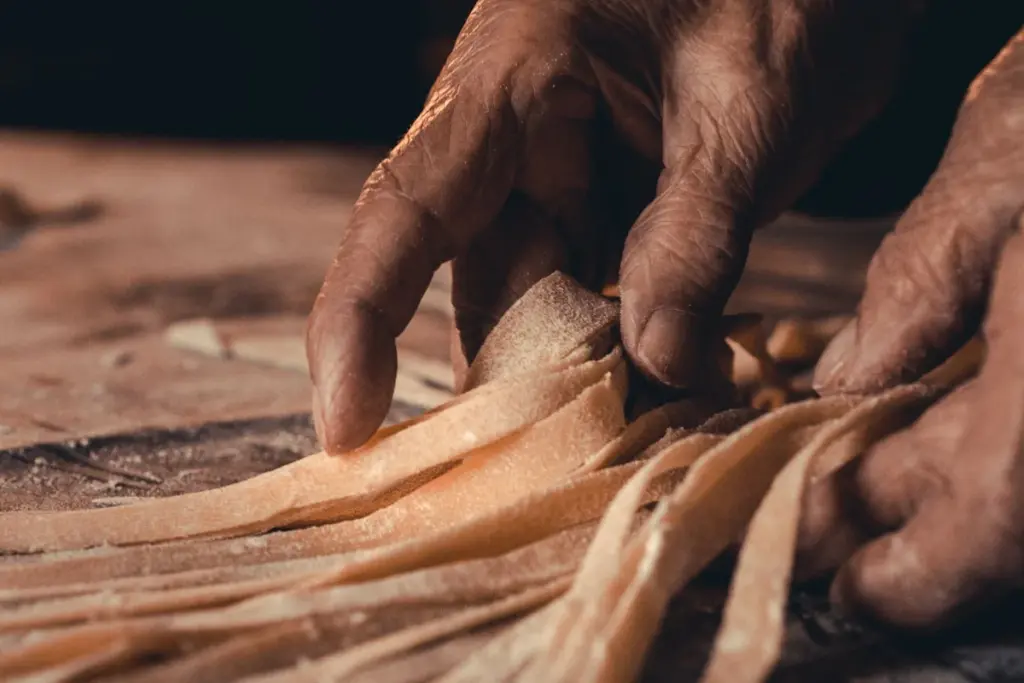
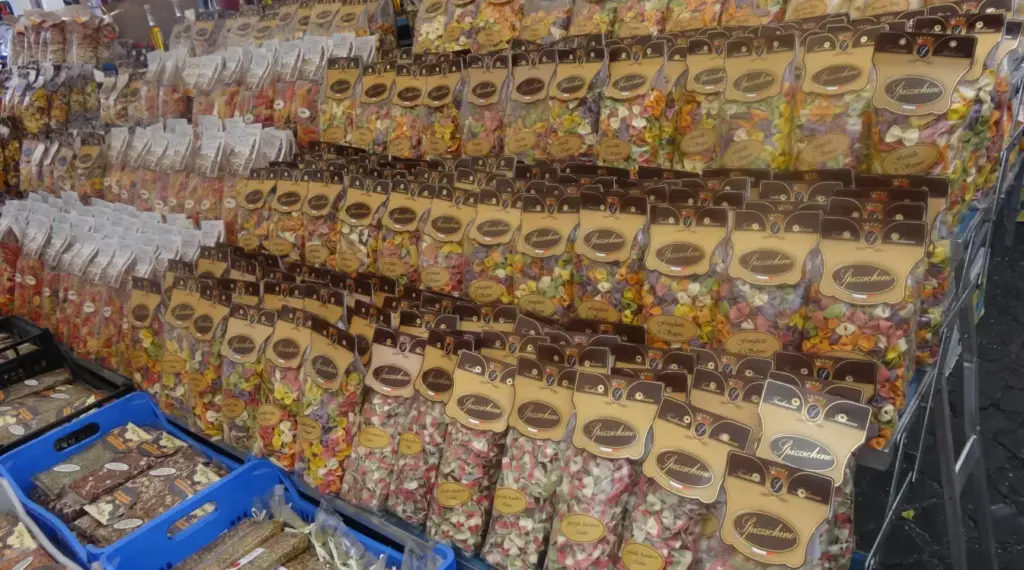
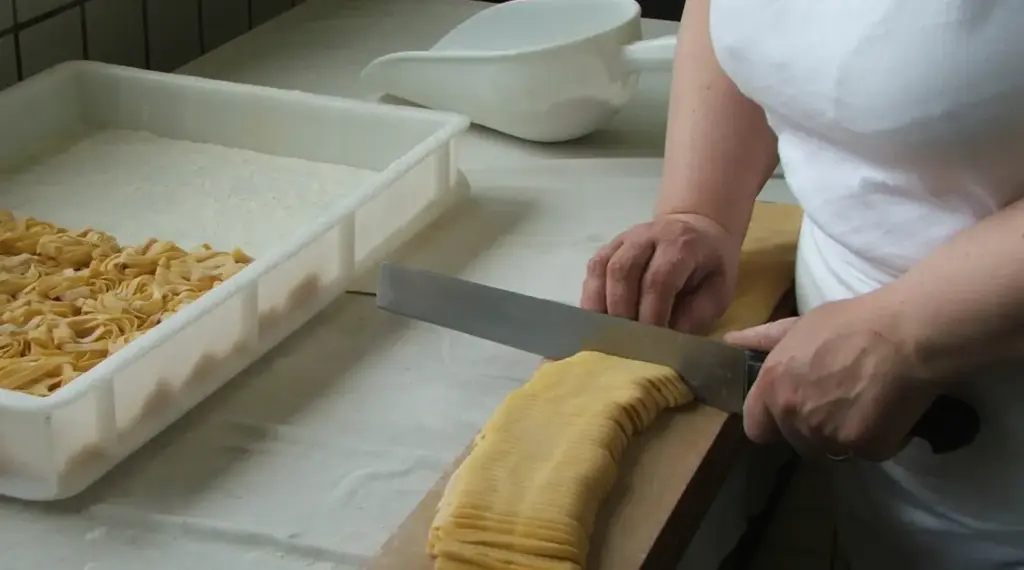
Dried pasta is light, shelf-stable and generally one of the most practical food gifts. The reason to buy it in Rome should be shape, producer, grain or quality — not simply because the package says “Italia.”
Specialty food shops and markets often give you better options than souvenir stores. Pair it with a recipe or ingredient story and it becomes a much better gift.
5. Coffee
Coffee travels well and has an obvious connection with everyday Italian life. Buy beans or ground coffee according to how the person actually brews at home; a moka grind is not useful to someone who only owns an espresso machine.
Keep the packaging sealed until you travel and choose a roaster or brand you genuinely enjoyed during the trip rather than buying a random “Rome coffee” tin.
6. Sweets and biscuits
Packaged biscuits, chocolate and confectionery are easy to share and usually more luggage-friendly than fresh pastries. CBP currently notes that candy and chocolate are generally admissible into the United States, though all agricultural products should still be declared.
Choose something from a reputable bakery, chocolate shop or food specialist rather than a generic airport box if you want the gift to feel specific to the trip.
7. Cheese: possible, but think before you buy
CBP currently states that cured cheese is generally admissible, but rules depend on the exact product and origin. The practical problem is also temperature and smell: not every beautiful cheese counter purchase is sensible after a ten-hour flight.
If you buy cheese, keep original commercial packaging and receipts, and choose something travel-stable. Declare it on arrival.
8. Meat products: the category I would be careful with
USDA restricts or prohibits many meat and poultry products from foreign countries because of animal-disease risk. Rules can change based on outbreaks and country status.
That means the beautiful salumi counter is not automatically the right place to buy gifts for a US flight. Check current USDA/APHIS guidance before purchasing cured meats specifically to bring home.
9. Market purchases: Mercato Trionfale
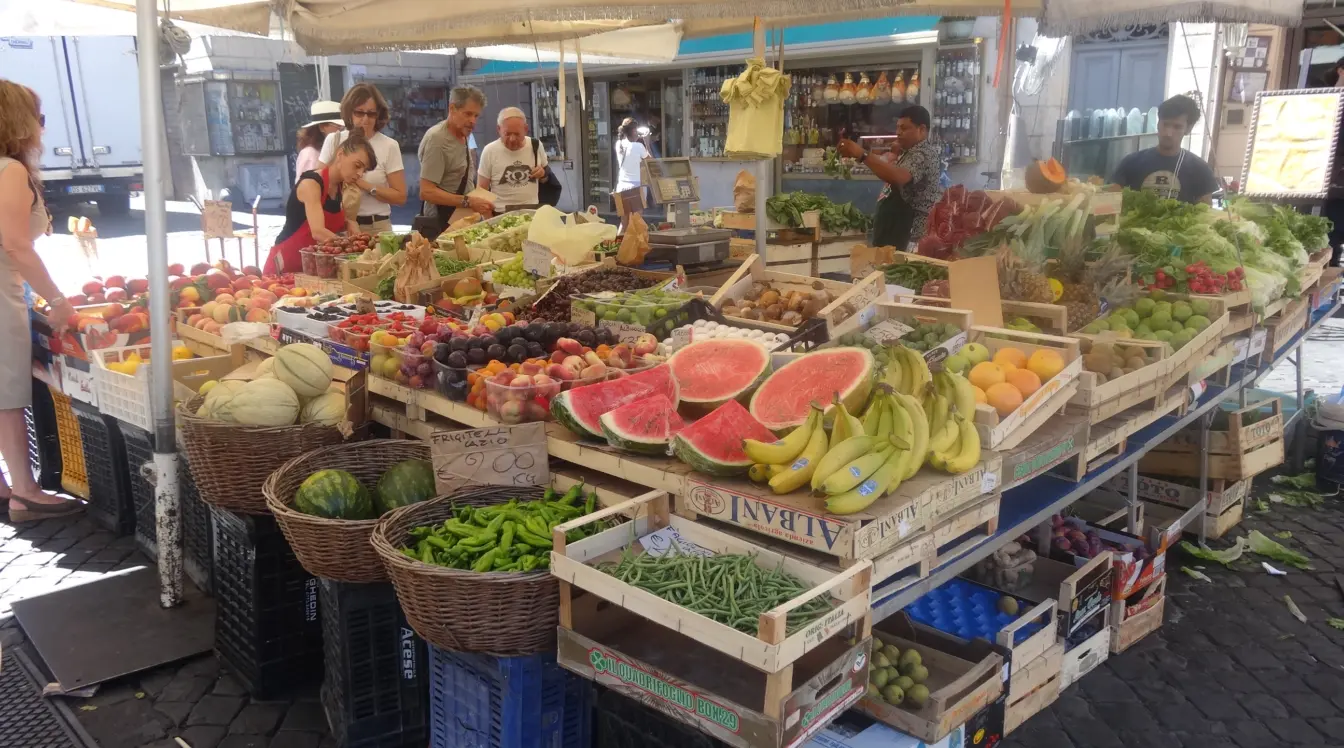
Mercato Trionfale, near the Vatican, is one of Rome’s major covered neighborhood markets. Turismo Roma describes its color-coded aisles for produce, fish and meat, with long-running family stalls and Italian food products.
It is excellent for learning and tasting, but remember that fresh market food is not always the best flight souvenir. Use the market to discover producers and packaged products rather than filling your suitcase with things that need refrigeration.
10. Vintage home objects and antiques
Turismo Roma recommends markets including Porta Portese, Borghetto Flaminio and Monti for vintage objects, design and collectibles. This can be a great source of prints, tableware and small decorative pieces.
Avoid anything presented as genuinely ancient archaeological material unless provenance and export legality are crystal clear. An old print is a souvenir; an object claimed to be an excavated Roman antiquity can become a legal problem.
Pack it like someone who still has to fly home
The best souvenirs by luggage type
- Carry-on only: pens, scarves, small leather, packaged sweets, books and paper goods.
- Checked luggage: olive oil, larger food products, wrapped glassware and tableware.
- Shipping home: fragile or expensive homeware, larger design pieces and multiple bottles.
What Americans should know before buying food
USDA says travelers entering the United States must declare all agricultural and wildlife products. Inspectors make the final admissibility decision, and USDA recommends keeping receipts and original packaging as evidence of origin.
Declaring an item does not mean it will automatically be confiscated. It means you are giving the agriculture officer the information needed to decide whether it can enter.
A good half-day souvenir-shopping route
- Start near the Pantheon with Antica Cartotecnica or another historic specialist.
- Walk into the Jewish Ghetto for tableware and historic shops around Via del Portico d’Ottavia.
- Stop for lunch.
- Use the afternoon for food shopping in a reputable specialty store rather than trying to carry fresh market produce all day.
Frequently asked questions
What food souvenirs are easiest to bring home from Rome?
Packaged pasta, coffee, sweets and many shelf-stable products are among the easiest choices. Always check the import rules for your destination country.
Can I bring olive oil from Italy to the US?
Commercially packaged olive oil is generally a practical choice, but declare agricultural food products and follow current CBP/USDA guidance.
Where can I buy Italian homeware in Rome?
Historic shops around the Jewish Ghetto are known for porcelain, glassware, cutlery and silver; vintage markets can also be useful for unique home objects.
Market reality: buy what the market is actually good at
Rome community threads are useful here because they puncture the “famous market = best market” assumption. When travelers ask where to shop for food, locals and repeat visitors frequently point them toward Testaccio or other functioning markets and warn that Campo de’ Fiori is not the automatic answer for serious food shopping.
That is the mindset I would use for souvenirs too. Go to a market for food culture and products, not because every stall must produce a gift. If what you really need is something sealed, labeled and easy to fly home, a good specialty shop can be the smarter final stop.
Community check: Community discussion on r/rome. Community comments are anecdotal; opening hours, prices and rules are checked against official sources elsewhere in this guide.
Sources checked for this guide
- ENIT — Shopping Tourism in Lazio
- Turismo Roma — Historic Shops of Excellence
- Turismo Roma — Mercato Trionfale
- USDA APHIS — travelers bringing agricultural products to the US
- US Customs and Border Protection — food-product guidance
import guidance checked September 23, 2026. Always declare agricultural products when entering the United States and follow the latest official instructions.