
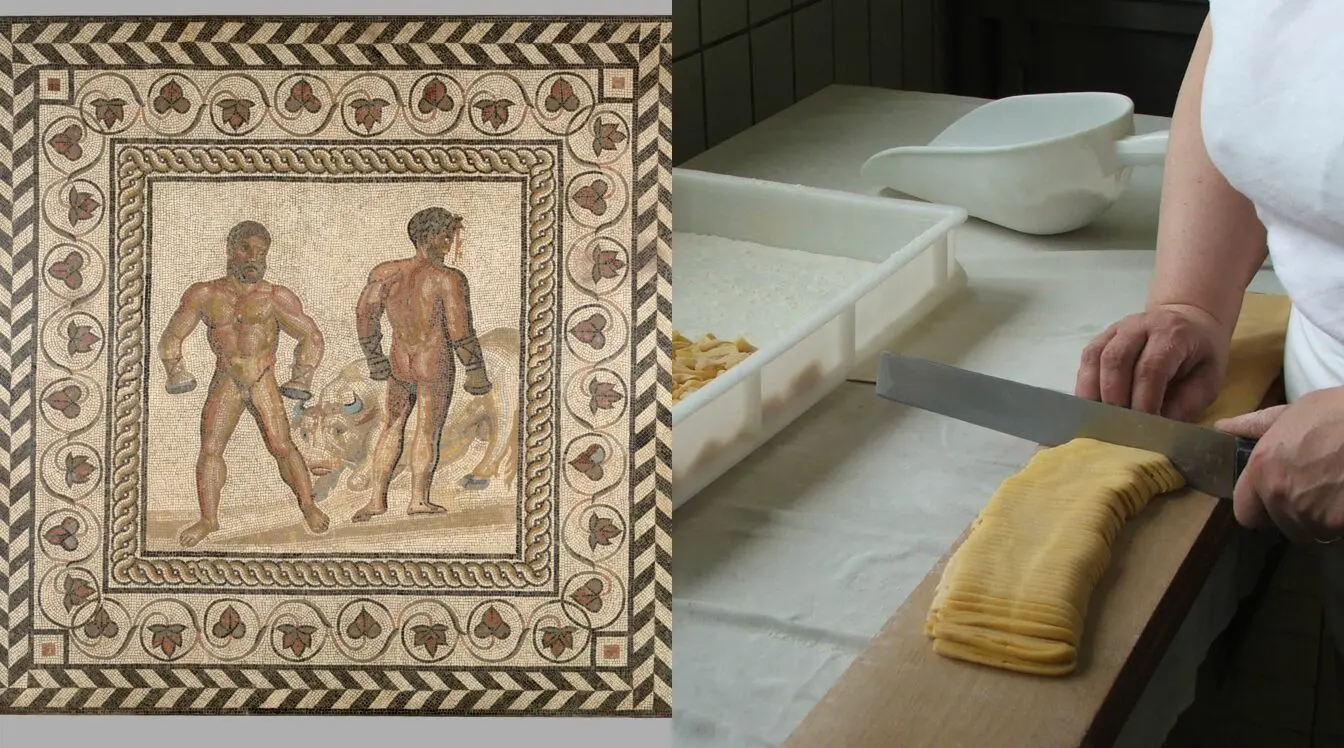
If you only have room for one hands-on experience in Rome, a mosaic workshop and a cooking class solve completely different problems. One gives you a physical object and a craft tied to Roman visual culture; the other gives you food, social energy and techniques you may actually repeat at home.
There is no universal winner. The right choice depends on who is traveling, how much sightseeing fatigue you have, whether food is already a major part of the trip and whether you care more about making something or eating something.
| Mosaic workshop vs cooking class — quick answer | |
| Choose mosaic if | You like art, design, detail and want a physical souvenir |
| Choose cooking if | You care more about food, social interaction and recipes you can repeat |
| Typical duration | Both commonly run around 2–3 hours |
| Current mosaic examples | Studio Cassio’s 2-day intensive is €330; shorter tourist workshops vary by provider |
| Best for teens | Mosaic is excellent for patient creative teens; cooking works for more social food-loving teens |
| Best rainy-day option | Both |
| Easiest souvenir | Mosaic or micromosaic jewelry |
| Best for a group of friends | Cooking class usually wins on social energy |
Information checked on September 22, 2026. Prices vary by provider. Compare what you physically do, group size and what is included rather than only the headline activity name.
What each experience gives you
Mosaic gives you something Rome-specific
A Roman mosaic workshop connects directly with something you have been looking at all week: floors, walls, archaeological sites, churches and decorative art. Studio Cassio currently offers short Roman mosaic workshops plus a 2-day intensive at €330; small-group tourist workshops elsewhere vary by provider and inclusions.
The object you make is also useful psychologically. After days of consuming museums and tours, you switch from looking to making.
Cooking gives you a skill you can repeat
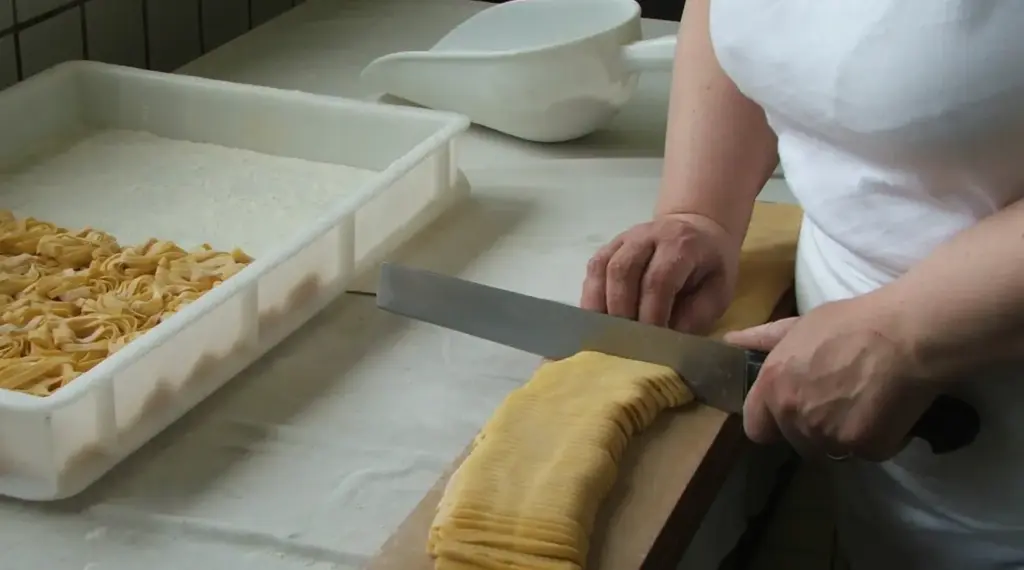
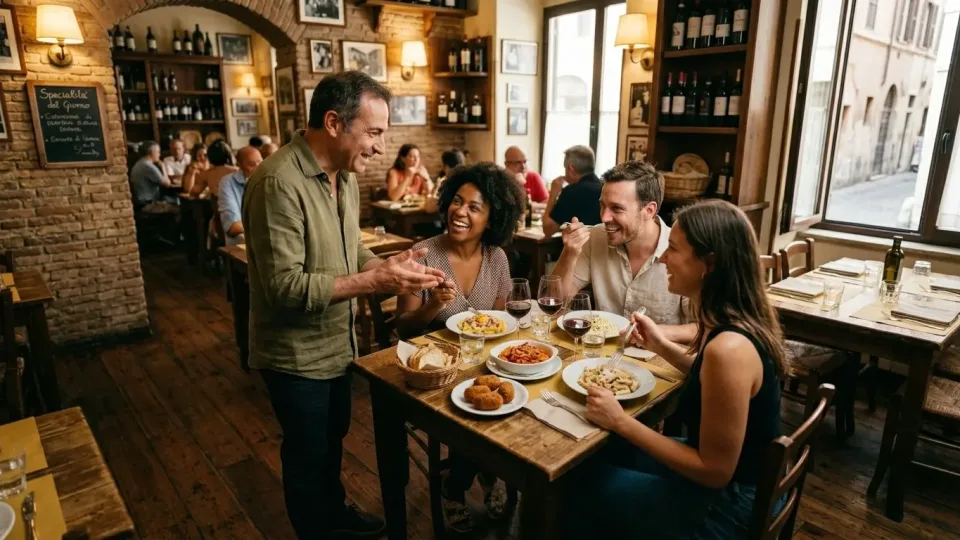
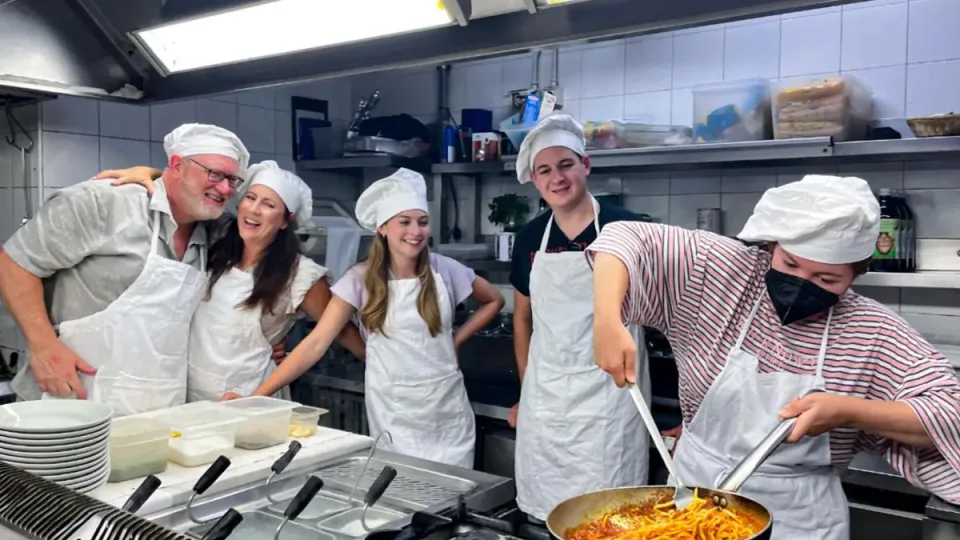
A good cooking class teaches something you can reproduce at home: dough texture, pasta shaping, sauce logic or how a Roman recipe is built. It also tends to be more social because everyone ends the experience eating together.
The strongest cooking classes are hands-on and specific. The weakest are demonstrations padded with wine where the instructor does most of the actual cooking.
Which is better after three days of museums?
Mosaic, if you want a quiet reset. Cooking, if you are tired of looking at things and want conversation, food and a more relaxed group atmosphere.
For couples where one person loves museums and the other is nearing cultural overload, cooking can be the easier compromise.
Which is more authentically Roman?
Both can be authentic and both can be fake. A mosaic class in a working studio with an artisan has a clear relationship to Roman craft. A pasta class teaching regional recipes with a real cook has a clear relationship to Roman food culture.
The word “authentic” should describe the people and technique, not the marketing font.
Which gives you better value?
Mosaic gives you instruction plus a finished object. Cooking gives you instruction plus a meal, often drinks and sometimes recipes. On paper, both can justify similar price ranges.
Value depends on what you would otherwise spend. If you were already planning a nice lunch, part of the cooking-class price replaces a meal. If you were already planning to buy a meaningful souvenir, the mosaic partly replaces that purchase.
Choose by the people you are traveling with
Which is better for children?
For younger children, choose whichever provider has a real family format. Mosaic can demand patience and fine motor work; cooking has heat, knives and longer meal periods.
For creative teens, mosaic or micromosaic can be excellent. For children who love food and talking, a family cooking class may be easier.
Which is better for couples?
Cooking is more naturally social and playful. Mosaic is calmer and can be better for couples who like design or want to make separate pieces to keep.
Which is better for solo travelers?
Both work. Cooking creates conversation quickly because everyone eats together. Craft workshops work because the activity removes the awkwardness of arriving alone — you always have something to do.
Rainy day: both are excellent
Both solve one of Rome’s common planning problems: a day when walking archaeological sites for six hours is a bad idea. Keep one hands-on indoor experience in mind as a weather backup rather than panic-booking the first available museum.
How I would choose by itinerary
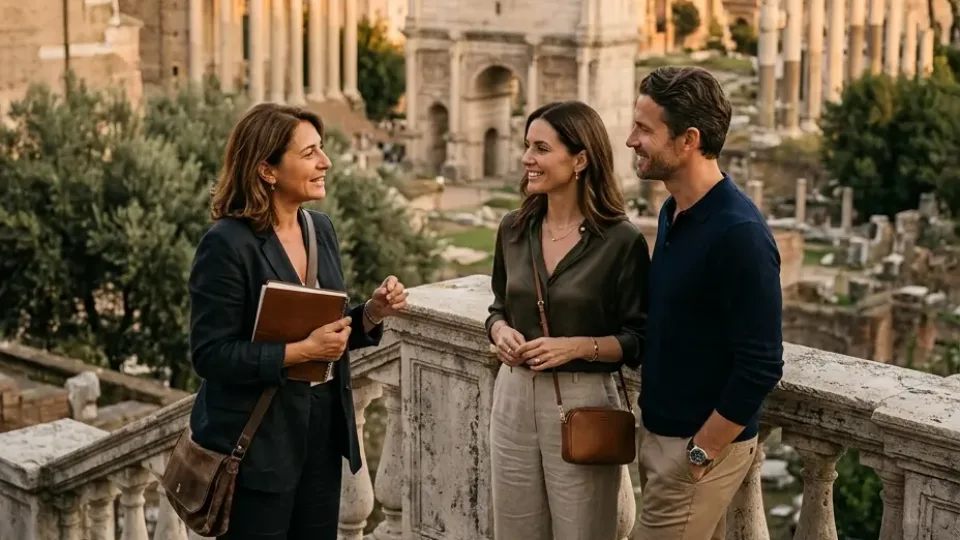
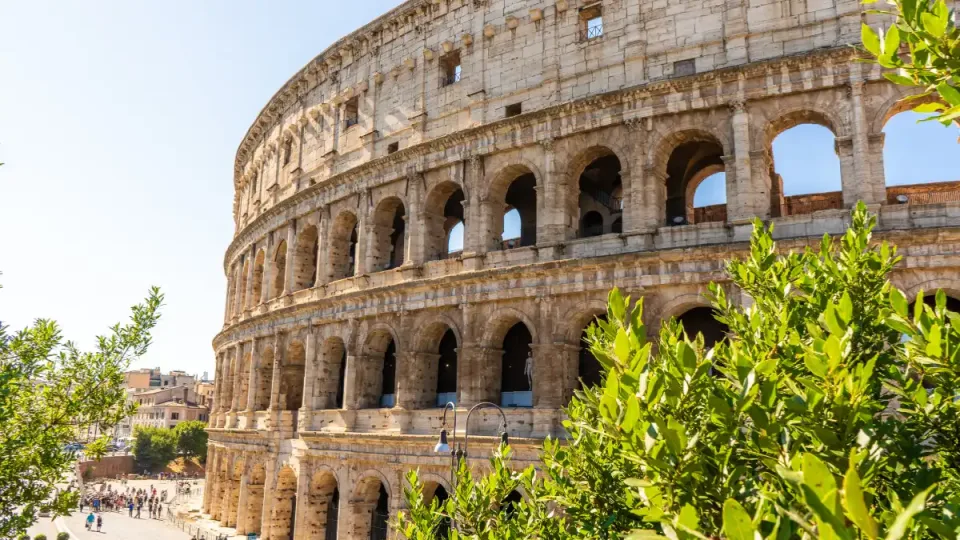
- After the Colosseum / Monti: mosaic at Studio Cassio fits naturally.
- Food-focused trip: cooking class.
- First Rome trip with only 48 hours: choose whichever replaces another planned activity rather than adding more schedule.
- Repeat visitor: mosaic or another artisan workshop gives you something genuinely different.
- Family: ask about age policy before choosing.
The option people forget: do both on different days
On a five-day trip, there is no reason these experiences have to compete. A cooking class can anchor one evening while a mosaic workshop anchors another afternoon.
The mistake is stacking them on the same day and turning leisure into a craft-and-pasta productivity marathon.
My practical recommendation
If you have never done either and food is a major reason you travel, choose cooking. If you already have several food experiences planned, choose mosaic. If you want the most Rome-specific physical souvenir, micromosaic is particularly strong.
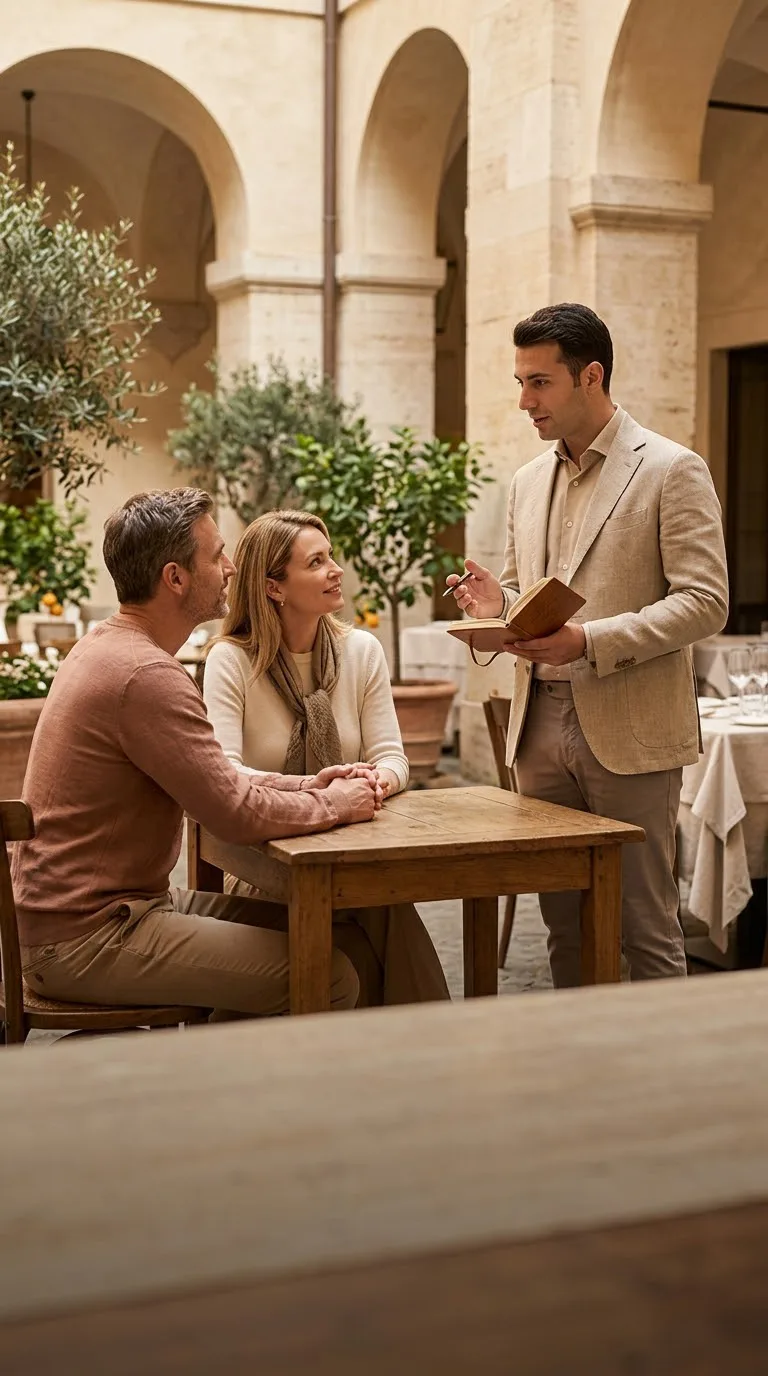
You can compare current cooking classes in Rome or use our concierge service for a private artisan experience.
Frequently asked questions
How much is a mosaic workshop in Rome?
Current prices vary widely: Studio Cassio’s 2-day intensive is €330, while shorter tourist workshops are priced separately by provider and format.
Which experience is more unique to Rome?
Mosaic has the stronger visual connection to Roman art and archaeology, while Roman pasta and cooking traditions are equally rooted in the city’s everyday culture.
The community signal: “authentic” is less important than participation
People searching Rome forums for cooking classes often say the same thing before they book: they know the activity is tourist-facing, but they do not want it to feel like a show. That is a healthy standard. A visitor activity does not become fake just because visitors book it; it becomes weak when the guest barely does anything.
Use that test on both options. Pick mosaic if you want concentration and an object. Pick cooking if you want conversation, technique and a meal. The better experience is the one where you are actually present, not the one marketed as more “local”.
Community check: Community discussion on Reddit. Community comments are anecdotal; prices, schedules and access rules are checked against official sources elsewhere in this guide.
Sources checked for this guide
prices and schedules checked September 22, 2026. Cooking-class prices vary significantly by format and inclusions.
Compare the hidden costs
A cooking class often replaces a meal and may include wine, while a mosaic class may replace the souvenir you would otherwise buy. That makes headline prices misleading. A €120 mosaic workshop plus normal lunch can cost roughly the same overall as a €100–€150 food experience once you factor in what each replaces in the day.
Which one is easier if your group has mixed interests?
Cooking generally wins for a social group because everyone understands eating even if not everyone cares about technique. Mosaic wins when the group likes design or wants a calmer activity. If one person hates cooking and another hates detailed crafts, split for two hours and meet for dinner — shared travel does not require shared hobbies every minute.
What you remember six months later
Mosaic leaves you with an object; cooking leaves you with a recipe, sensory memory and possibly a technique you repeat. Think about which form of memory suits you. Travelers who rarely cook may get more lasting value from the physical piece, while enthusiastic home cooks may use a pasta lesson for years.
If you are traveling with someone who wants the opposite choice
You do not need to compromise badly. Book separate two-hour experiences in nearby neighborhoods and meet afterward. Rome is a good city for parallel interests: one person can cook while the other visits an artisan or museum, then both meet for dinner.
Best pairing with the rest of the day
Put mosaic near Monti/ancient Rome and cooking near the neighborhood where you plan to eat or spend the evening. The right choice can simply be the one that saves you an unnecessary cross-city transfer.