
Micromosaic is one of the rare Rome workshops where the object, the technique and the city all belong together. The art developed into a highly refined Roman specialty using tiny pieces of colored glass to create miniature images and jewelry. Today you can still learn the basic technique in a working Rome mosaic studio and leave with a wearable piece.
The main question is whether a 2.5-hour tourist workshop can deliver enough of the real craft to justify the price. In the case of Studio Cassio’s current micromosaic-jewelry class, the answer is yes for most design- and craft-minded travelers — as long as you understand that you are making a beginner piece, not mastering a centuries-old technique in one morning.
| Roman micromosaic workshop — quick answer | |
| Current example | Studio Cassio, Via Urbana 98/98a in Monti |
| Duration | 2 hours 30 minutes |
| Current price | €120 per person |
| Language | American English or Italian |
| Minimum age | 12 |
| What you make | A small micromosaic jewelry piece using colored glass elements |
| Best for | Design lovers, couples, teens, repeat visitors and anyone who wants a wearable souvenir |
| Not ideal for | Very young children or travelers who dislike detailed, patient handwork |
Information checked on September 22, 2026. The price, duration and age policy above come from Studio Cassio’s live booking page and can change.
What the workshop is really like
What is Roman micromosaic?
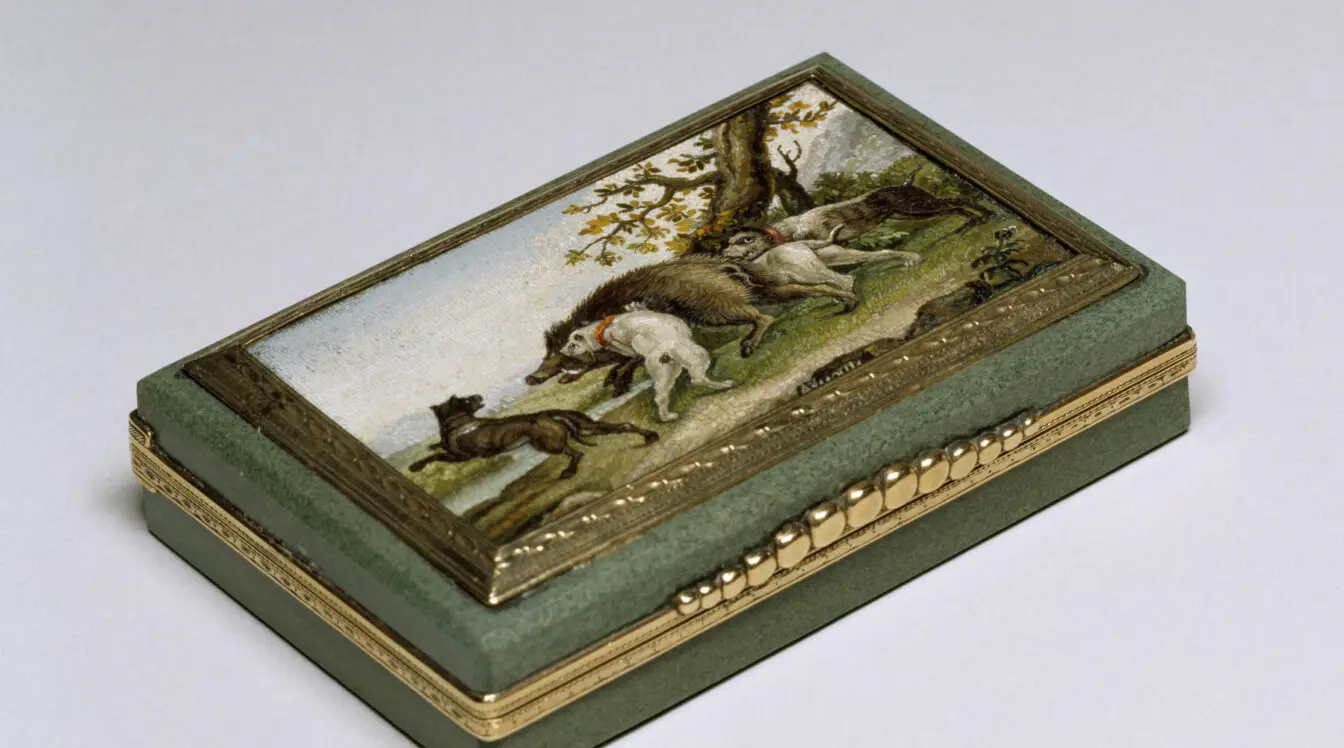
Micromosaic uses extremely small pieces or filaments of colored glass to create detailed miniature images. Studio Cassio’s own workshop description explains how the Roman technique reached a high level of refinement by the late eighteenth century through the use of spun glass enamels.
The tourist workshop simplifies that complexity into something a beginner can complete, but the material logic remains the same: tiny pieces, color decisions and patient placement.
Why Studio Cassio is a strong choice
Studio Cassio is not a generic activity company. It is a historic Rome mosaic studio founded in 1947, and its current programme includes Roman mosaic, micromosaic jewelry, private workshops and multi-day intensives.
That matters because the workshop sits inside a real craft practice. You are not learning “mosaic-inspired jewelry” from someone who added the class to an experience marketplace last month.
What do you actually do?
The current micromosaic-jewelry workshop is 2.5 hours. You work with small glass elements to build a pattern inside a jewelry base and leave with the finished piece.
Expect close, detailed work. This is not a fast “paint something and drink prosecco” activity. The satisfaction comes from watching a tiny design slowly appear.
Is €120 worth it?
For someone who likes craft, jewelry or design, yes. You are paying for specialist instruction, materials, studio time and a finished wearable object. Compared with buying a generic souvenir or spending the same amount on another group tour, the experience has a strong memory-to-price ratio.
It is less worthwhile if the only thing you care about is leaving with jewelry. You can simply buy a finished piece. The class makes sense because you want to make it.
How difficult is it?
Beginner-friendly does not mean effortless. Micromosaic is fiddly. If you have poor close-up vision, shaky hands or very little patience, say so before booking and ask whether the workshop can be adapted.
The minimum age of 12 is sensible because the technique rewards concentration more than speed.
Micromosaic vs regular mosaic
- Micromosaic: smaller scale, more detail, wearable result, more patience.
- Roman mosaic: larger tesserae, more immediately architectural, easier to understand visually.
- Choose micromosaic if the finished object matters to you.
- Choose regular mosaic if you want to understand the broader construction technique.
Who this works for — and who should skip it
How to fit it into a Rome day
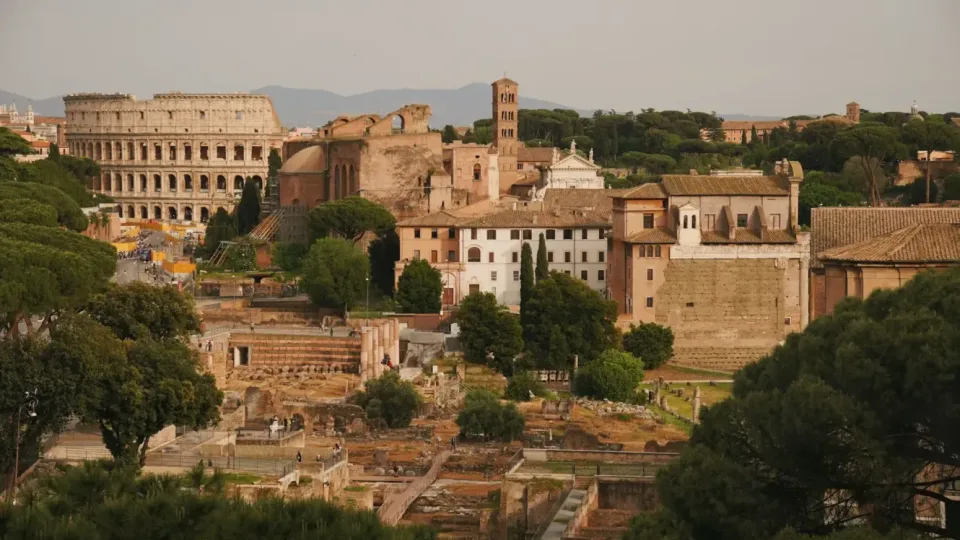
Studio Cassio is in Monti, which makes the workshop easy to combine with the Colosseum area, Santa Maria Maggiore or vintage/independent shopping in the neighborhood.
Do not put a tightly timed Colosseum entry immediately after the class. Leave at least 30–45 minutes of buffer because handmade work can run slightly differently for each person.
Is it good for couples?
Yes, especially if you want a non-romantic-but-still-personal activity. You each make something, you are not forced into a group-tour script and the finished pieces become a shared memory without matching-heart-keychain energy.
Is it good for families?
For families with teens, yes. For younger children, the current minimum age means you need another mosaic or creative workshop designed for kids.
What should you wear?
Normal comfortable clothes are fine. The more useful preparation is reading glasses if you need them for close work and avoiding a schedule that makes you constantly check the time.
Can you take the jewelry home immediately?
The current workshop is designed around leaving with your finished piece. Ask about curing, packaging and care instructions on the day so you do not throw the jewelry loose into a suitcase afterward.
When I would choose the four-day intensive instead
Studio Cassio currently also lists a four-day micromosaic intensive at €740. That is for a completely different traveler: someone with a serious craft interest who wants the workshop to be one of the main reasons for being in Rome.
For an ordinary vacation, the 2.5-hour format is much easier to justify.
The verdict
If you like making things, this is one of the strongest hands-on experiences in Rome. It is specific to the city, compact enough for a normal trip and produces something you can actually wear afterward.
If detailed craft bores you, spend the €120 on a food tour or another experience you will engage with more. Authenticity cannot compensate for a bad personality fit.
Frequently asked questions
How much is a micromosaic workshop in Rome?
Studio Cassio currently lists its 2.5-hour micromosaic-jewelry workshop at €120 per person.
Is the workshop in English?
The current Studio Cassio booking page lists American English and Italian.
Where is Studio Cassio?
The current workshop listing gives Via Urbana 98/98a in the Monti neighborhood of Rome.
The local-value test: would you still care about the technique after the photo?
The strongest community feedback around hands-on experiences in Rome is surprisingly consistent: people remember the instructor and the amount of real participation more than the staged “authentic” framing. That is the right test for micromosaic too.
Book it because tiny glass work sounds genuinely satisfying to you. If the appeal is only “a unique Rome souvenir”, buying a finished piece from a good maker may be the better use of your time. The workshop wins when the process itself is part of what you want to remember.
Community check: Community discussion on Reddit. Community comments are anecdotal; prices, schedules and access rules are checked against official sources elsewhere in this guide.
Sources checked for this guide
price, duration and booking details checked September 22, 2026. Verify the live calendar before planning your day.
What does the €120 include — and what should you verify?
For any craft class, compare the published price with materials, instruction time, group size and finished object rather than with another random “Rome activity.” Ask whether the jewelry base is included, whether there are upgrades, whether all tools are supplied and whether the final piece needs curing or special care. Small extras are fine; surprises at the table are not.
What makes the experience Roman rather than generic jewelry making?
The value is the micromosaic technique and the studio context. Tiny glass tesserae and filati connect the activity to a specialist tradition that became closely associated with Rome and Grand Tour objects. That does not make a beginner pendant a museum-quality historic micromosaic; it gives you a practical introduction to why the real historical pieces required extraordinary control and time.
What to pair with the workshop in Monti
If you book a morning or early-afternoon slot, keep the rest of the day local: Santa Maria Maggiore, Monti’s vintage/independent shops, lunch nearby or an exterior walk around the Colosseum. This is a much better use of time than finishing the class and immediately crossing the city for a fixed Vatican booking.
Who should skip it?
Skip micromosaic if detailed handwork frustrates you, your Rome schedule is already overloaded or you only want a finished piece. In those cases, buy from a maker or choose a more social activity such as cooking.