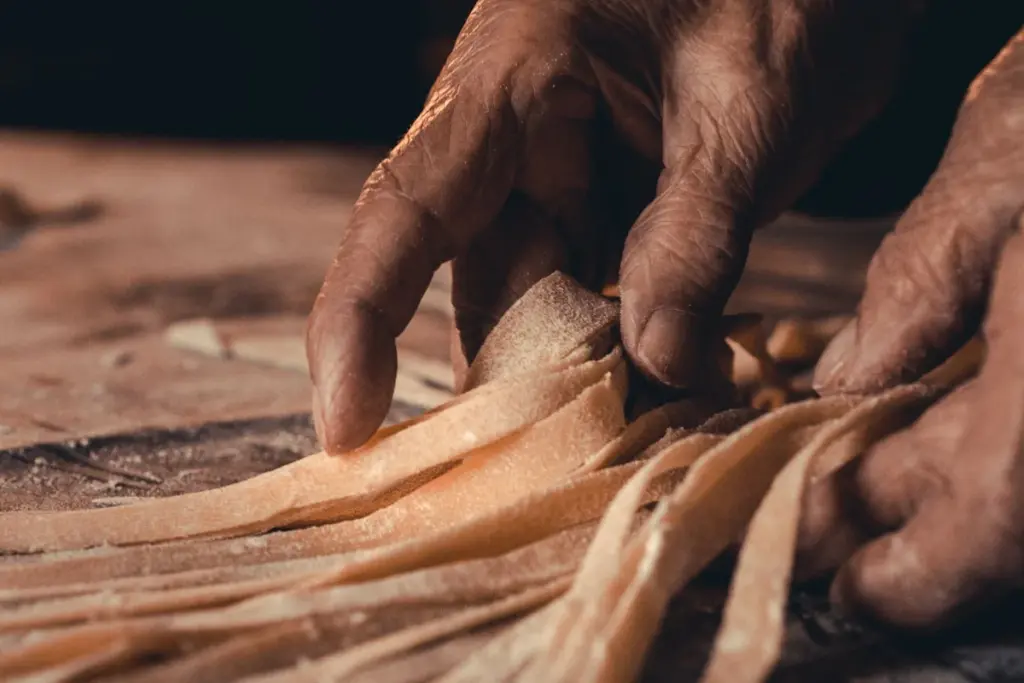
If you want to meet working artisans in Rome, the hardest part is separating real studios from shops that simply sell “artisan-style” products. The city still has mosaic makers, goldsmiths, leatherworkers, ceramicists, tailors, hat makers, lithographers, shoemakers and other specialists, but many are small businesses rather than tourist attractions with fixed hourly tours.
The best approach is to choose the craft first, then contact the studio or book a published workshop. Showing up unannounced at a working atelier and expecting a private demonstration is not the respectful version of “local travel.”
| Meeting Roman artisans — quick answer | |
| Best starting directory | Homo Faber’s Rome artisan directory, currently listing 31 makers |
| Best craft for a bookable experience | Mosaic / micromosaic |
| Best area for independent ateliers | Monti and the historic center |
| Best for luxury craft | Jewelry, tailoring, leather and shoemaking |
| Best for design lovers | Ceramics, lithography, paper, glass and textile studios |
| Should you book? | Yes whenever the studio is not explicitly open as a retail shop |
| Biggest mistake | Treating a working atelier like a free museum or photo set |
Information checked on September 22, 2026. Small studios change schedules and many work by appointment. Verify directly before making a special trip.
Use Homo Faber to see how broad Rome’s craft scene really is
Homo Faber’s current Rome directory lists 31 artisans across disciplines including illustration, silk painting, wood sculpture, ceramics, jewelry, tailoring, hats, mosaic, leatherwork, stained glass, paper art, lutherie, restoration, basketry, lithography, weaving and shoemaking.
That list is valuable because it reminds you not to reduce Roman craftsmanship to “leather and mosaics.” If you care about a specific material, there is a good chance someone in Rome is working with it at a serious level.
Use the directory as research, not as a checklist. One ceramicist or jeweler whose work genuinely interests you is worth more than five names visited only because they appeared in the same artisan map.
Which Roman crafts are worth seeking out
Mosaic makers: the easiest craft to experience hands-on
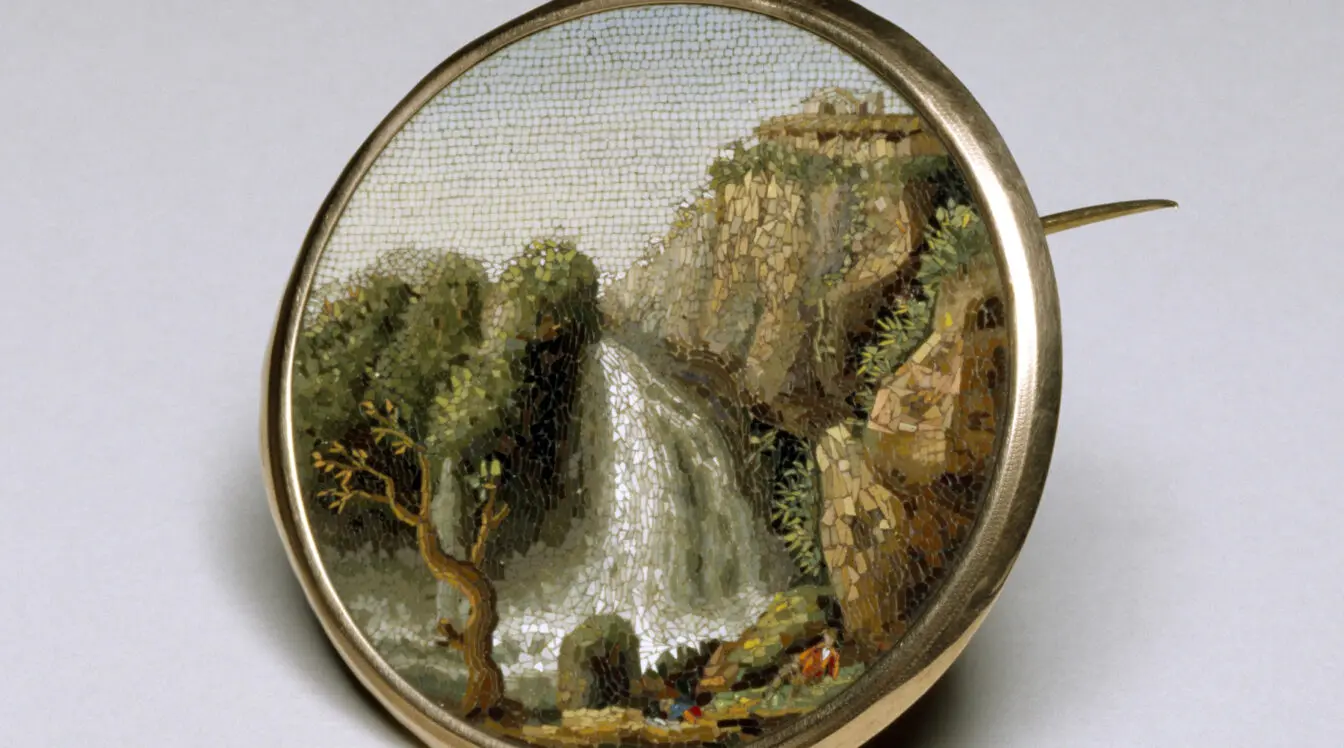
Mosaic is the most visitor-friendly entry point because several studios publish regular workshops. Studio Cassio, founded in 1947, currently offers Roman mosaic and micromosaic experiences as well as multi-day intensives. Trastevere also has small-group mosaic workshops in functioning art studios.
If you want to meet an artisan and actually understand the technique, a paid workshop is much better than asking a maker to stop working and explain everything while you browse.
Jewelry makers: from contemporary work to Roman micromosaic
Rome has both contemporary jewelry designers and makers working with historic techniques. Roma Jewelry Week, running October 8–11 in 2026, is specifically dedicated to contemporary, artistic and historic jewelry in the city.
Homo Faber’s Rome directory currently includes multiple jewelry makers and goldsmiths. For travelers, jewelry is particularly attractive because a studio appointment can end with a piece that is easy to transport and genuinely connected to the maker.
Leatherworkers and shoemakers
Homo Faber currently lists Roman leatherworkers and specialist shoemakers among its city artisans. This is a much better research path than walking into the first tourist shop displaying “Italian leather” signs.
For bespoke footwear or leather, ask about lead time before booking. A proper custom product may require measurements, fittings and delivery after your trip.
Tailors: a different kind of Rome souvenir
Rome has a strong tailoring tradition, and Homo Faber’s directory includes working tailors such as Gaetano Aloisio and Atelier Bomba. A tailor visit is not a casual tourist workshop, but it can be an excellent high-end experience for someone who actually wants a garment made.
If you only have three days in Rome, made-to-measure timing may be difficult. If the atelier can ship after fittings, that can solve the problem — but discuss it before the appointment.
Ceramics and decorative arts
Several Rome-based ceramicists appear in the Homo Faber network. Ceramic studios are especially good for travelers who care about interiors and design rather than fashion.
The practical issue is transport. Ask whether finished pieces can be packed professionally or shipped rather than gambling with delicate ceramics inside a suitcase.
Lithography, paper and book arts
Rome’s craft scene also includes traditional printing, lithography and paper artists. Litografia Bulla appears in Homo Faber’s Rome directory, while 2026 workshops around the city have included artistic binding and handmade-book techniques.
For a book or print lover, this can be much more distinctive than another fashion-shopping afternoon.
Stained glass
Rome still has stained-glass makers, and workshops such as Funtiffany in Trastevere teach techniques including Tiffany glass, mosaic and jewelry. This is a strong option if you want a colorful hands-on experience rather than a historical walking tour.
How to visit without treating an atelier like an attraction
How to contact a working artisan
- Check whether the studio publishes visits, courses or appointments.
- Write ahead with your dates and what interests you.
- Say whether you want to buy, commission, learn or simply visit.
- Do not ask for an unpaid one-hour demonstration disguised as “I might shop.”
- If language matters, confirm it in advance.
What should you buy directly from an artisan?
Buy the thing the maker is actually known for. That sounds obvious, but tourist shopping often does the opposite: people buy a generic trinket because it is small and cheap rather than the work that explains why the studio exists.
- Mosaic maker: a small mosaic or micromosaic piece.
- Jeweler: a studio design or custom item.
- Leatherworker: an item where the construction is visible and explainable.
- Printmaker: a signed or studio-made print.
- Ceramicist: a piece from the maker’s real body of work.
Can you arrange a private artisan day?
Yes, but the value comes from matching the traveler to the right makers, not stacking random studio visits. A design-focused visitor might prefer ceramics, printmaking and jewelry; a fashion traveler might want tailoring, leather and hats.
Our Rome concierge service can coordinate appointments and transport when studios are part of a broader private itinerary.
Frequently asked questions
Where can I see artisans working in Rome?
Start with documented artisan networks such as Homo Faber and book studios that explicitly welcome visitors, workshops or appointments.
What crafts is Rome known for?
Mosaic and micromosaic are particularly strong Roman traditions, alongside jewelry, tailoring, leather, decorative arts, printmaking and other specialist crafts.
Can I visit artisan workshops without booking?
Only if the studio operates as a normal public shop. For working ateliers, contact them first rather than assuming tourist access.
A more Roman way to find artisans: follow the craft, not the “hidden gem” label
Rome communities are often skeptical when visitors ask for hidden gems, and rightly so: anything that becomes famous for being hidden stops being hidden. Artisans are different because the point is not secrecy. The value is that the person is still making something well.
If I were building a craft day, I would choose one material I care about and follow that thread. Mosaic, paper, leather, jewelry, tailoring — one serious appointment tells you more than five rushed “artisan stops”. That is also more respectful of working studios, where the day is built around production, not tourist turnover.
Community check: Community discussion on Reddit. Community comments are anecdotal; prices, schedules and access rules are checked against official sources elsewhere in this guide.
Sources checked for this guide
- Homo Faber — Rome artisan directory
- Studio Cassio — current workshop programme
- Turismo Roma — Roma Jewelry Week 2026
- Funtiffany Arts & Crafts — Rome workshops
artisan listings checked September 22, 2026. Working-studio access is often by appointment, so confirm directly before visiting.
A realistic artisan half-day
- Morning: one pre-arranged studio visit or workshop.
- Lunch: stay in the same neighborhood and give the maker time if the appointment runs long.
- Early afternoon: visit one specialist retail/heritage shop connected to your interests.
- Later afternoon: leave unstructured rather than scheduling a third artisan appointment.
Two meaningful encounters are better than a “craft crawl” where every studio gets 25 minutes. Working artisans are not attractions that reset on a timetable when the previous tourist leaves.
Buying vs commissioning
If you see work you love, ask whether the piece is available, can be customized or can be commissioned and shipped later. Commissioning is particularly relevant for tailoring, jewelry, ceramics and leather where the best work may not be sitting finished on a shelf. Get price, deposit, delivery timeline, shipping, duties and revision expectations in writing for a high-value commission.
Language and communication
Many makers working with international visitors speak English, but do not assume it. A studio visit built around technical explanation benefits from confirming language beforehand. If the maker’s English is limited and your interest is mainly visual, that may still be completely fine; if you want a two-hour history/technique conversation, it matters.