If you have money to spend in Rome, the easiest mistake is to spend it on the most obvious places. The city is full of expensive experiences that are convenient for visitors but not especially Roman. A better high-end trip mixes famous institutions with neighborhoods, historic businesses, serious food and places where locals with taste actually spend time.
This is not a “secret Rome” guide. The point is not pretending wealthy Romans never go near the Spanish Steps. It is knowing when the famous address is worth it and when a quieter neighborhood, heritage shop or less theatrical restaurant gives you more.
| Rome like a local with money — quick answer | |
| Best morning area | Campo Marzio, Villa Borghese or Prati depending on your interests |
| Best for understated shopping | Historic shops, Monti ateliers and specialist stores rather than only Via Condotti |
| Best aperitivo strategy | Choose one good bar or rooftop near dinner instead of crossing the city for a view |
| Best restaurant strategy | Book one place you genuinely want; do not chase fame every meal |
| Best luxury purchase | Something specialist, made-to-measure or tied to a real Roman business |
| Best use of a driver | Airport, awkward transfers and evenings with multiple fixed reservations |
| What feels least local | Spending the entire day inside hotel lobbies and international flagship stores |
| Biggest mistake | Confusing expensive with good |
This is not a list of “places rich Romans go.” Rome is too large and varied for that cliché. The useful goal is to spend well while keeping the day connected to the city.
Start the day somewhere you can walk
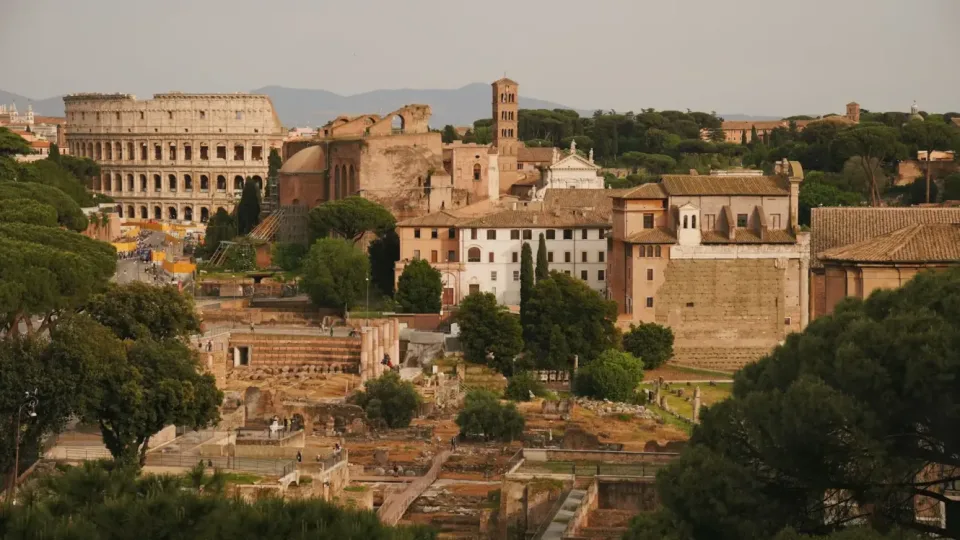
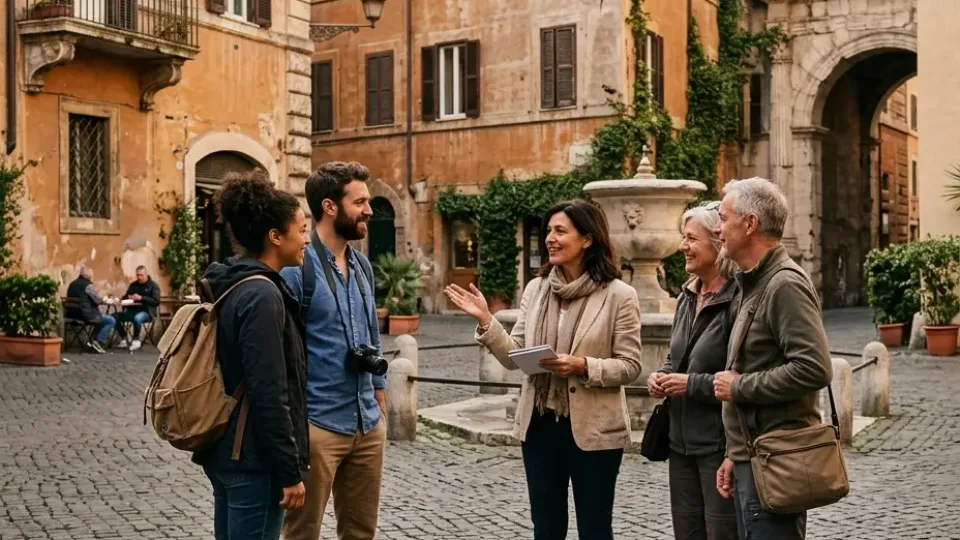
A good Rome day begins with geography. If you are staying around Campo Marzio, use the morning for the Pantheon, Piazza Navona, a private gallery visit or shopping around the Tridente. If you are in Prati, start with the Vatican area or neighborhood cafés. If you are near Villa Borghese, use the park and galleries before the center becomes busy.
The wealthy-traveler mistake is assuming every transition should be by car. In central Rome, walking ten minutes is often faster and far more pleasant than sitting in traffic.
That choice shapes everything after it. A central morning with no transport friction gives you more freedom to change lunch, linger in a shop or go back to the hotel without turning every small decision into a car ride.
How to spend well without living inside a hotel bubble
Eat breakfast normally
You do not need a €50 hotel breakfast every morning to have a luxury trip. A good coffee and pastry in a neighborhood bar can feel much more Roman and frees the budget for the things that actually improve the day.
Use the hotel breakfast when it buys convenience — an early museum start, jet lag or a meeting — not because “luxury travel” requires linen napkins at 8 AM.
Shop one level below the obvious
Via Condotti is useful when you want a specific global luxury product. But if you already have access to those brands at home, Rome becomes more interesting when you add heritage and independent stores.
Schostal offers understated Roman heritage clothing. Antica Cartotecnica gives you writing instruments, leather and collector pieces. Monti gives you independent designers and vintage. Historic shops around the Ghetto specialize in tableware and silver.
This is where money buys something harder to duplicate elsewhere.
Book lunch for the food, not the room
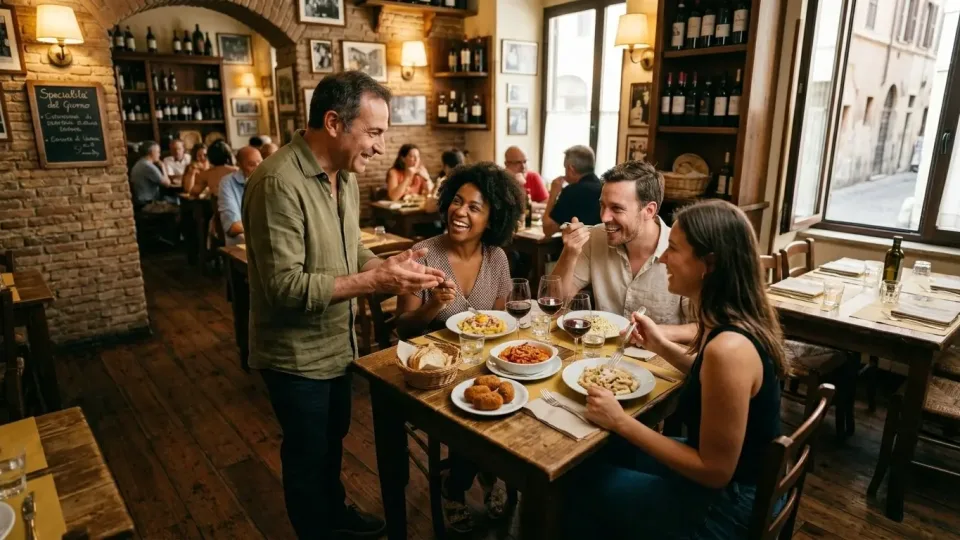
Rome has beautiful dining rooms, but a spectacular interior cannot rescue a mediocre meal. For lunch, prioritize food and geography. If the afternoon is in the historic center, eat there. If you are going to Villa Borghese, stay north rather than driving to Testaccio because a list told you one trattoria was essential.
Save the elaborate setting for dinner if atmosphere matters to you.
Use private tours selectively
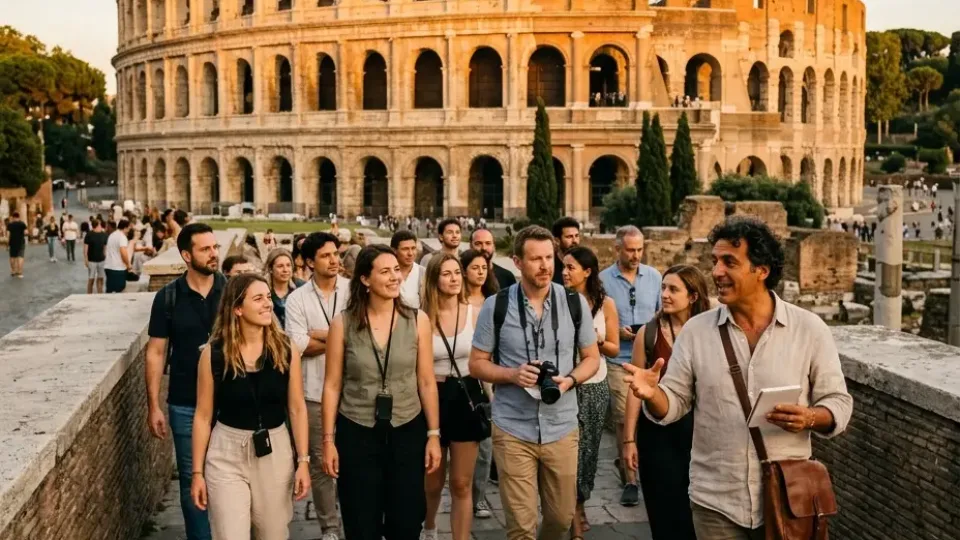
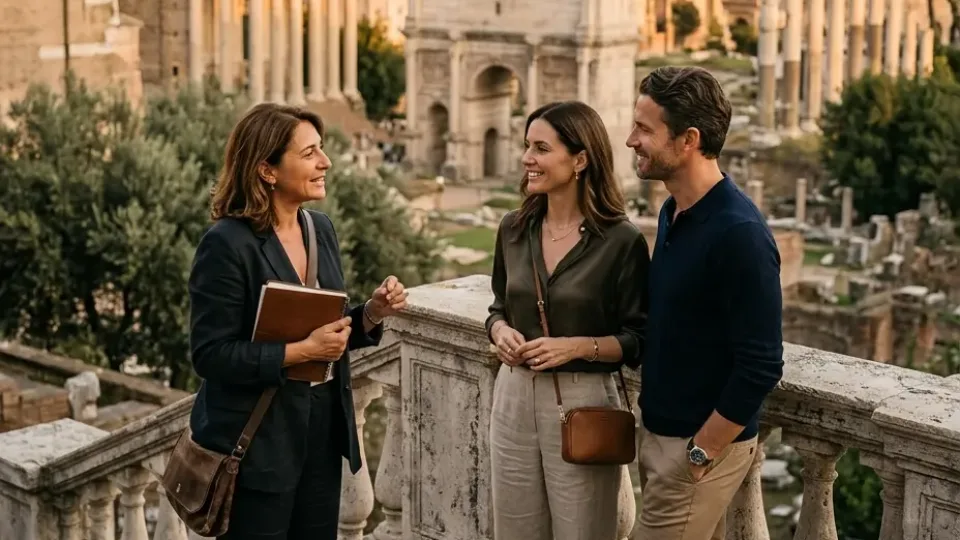
A private guide is worth the money when the subject interests you, you want flexibility or access/logistics are complicated. It is less useful when you are paying private-tour prices to repeat a generic script you could hear in a group of twelve.
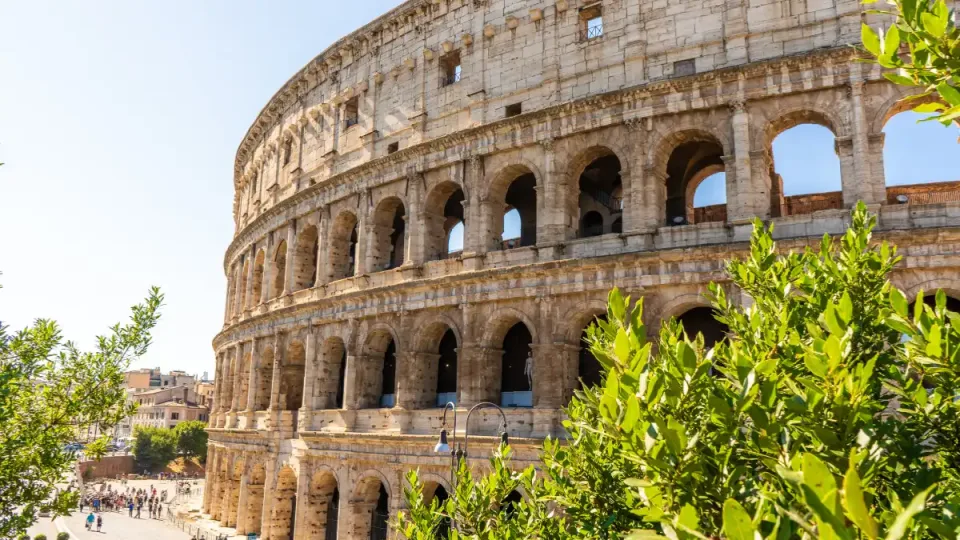
For first-time Rome, private Colosseum or Vatican visits can make sense. For repeat visitors, specialist themes — architecture, art, food, fashion, archaeology — usually deliver more value.
Do one neighborhood without a checklist
High-spend travel often becomes over-engineered. Put one block into the day where nothing has a ticket time. Walk Monti, Prati, the Ghetto, Aventine or Trastevere without treating every stop as content to capture.
If you find a bar, shop or street you like, stay. That flexibility is one of the most luxurious things money can buy because it requires not having the rest of the day packed solid.
Aperitivo: pay for the setting only when you actually want the setting
Rome’s rooftops can be excellent, but many charge a meaningful premium for the view. That is fine if the view is the experience. It is less compelling if you simply want a good Negroni.
Gigi Rigolatto is useful for Pantheon views, Zuma after the Tridente, Settimo near Villa Borghese and Divinity in the central Pantheon area. Choose by geography rather than trying to collect rooftop names.
Dinner: decide what kind of expensive you want
“Best restaurant in Rome” is a useless question until you define the evening. Do you want fine dining, a polished Roman menu, seafood, a luxury-hotel restaurant, a classic trattoria or a private room for a celebration?
A local with money does not necessarily eat Michelin every night. The smart move is matching the restaurant to the occasion.
When hotel bars are worth it
Luxury hotel bars are very good for certain moments: a quiet meeting, solo drink, first night with jet lag, pre-dinner cocktail or a place where service and seating matter more than novelty.
They are less useful if every drink in your trip happens inside a hotel. Rome’s wine bars, cocktail bars and neighborhood restaurants are part of the city too.
Private driver vs taxi
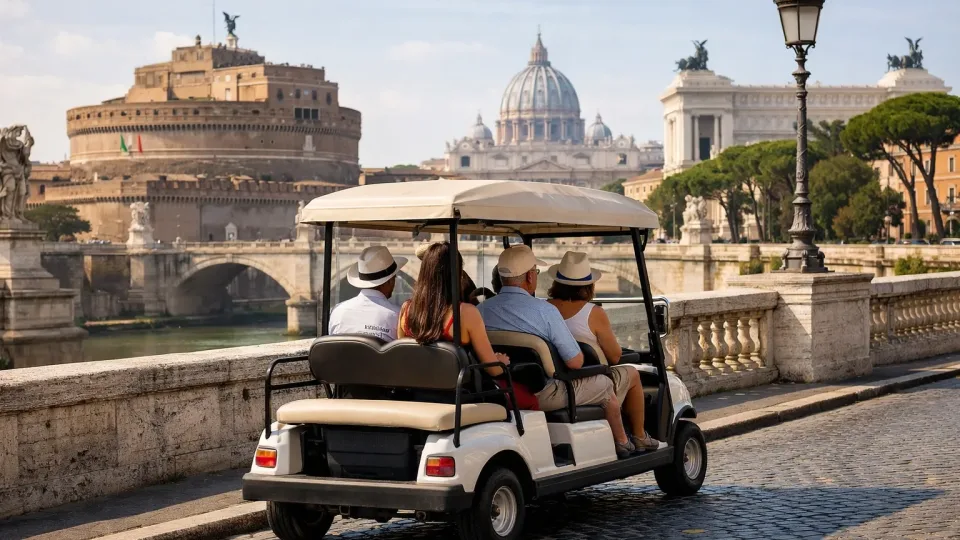
Use a private driver when certainty matters: airport transfer, early departure, several fixed appointments, large group, luggage or a formal evening. Use taxis for ordinary point-to-point central travel when availability is reasonable.
Keeping a driver waiting outside a pedestrianized neighborhood while you wander for two hours is rarely a meaningful upgrade.
Where I would put the budget
The high-spend Rome purchases I would prioritize
- A genuinely excellent private guide.
- One major fashion, jewelry or artisan purchase you will keep.
- A special dinner for the right occasion.
- A high-quality room in a location that saves transport time.
- Private transport when it removes a genuine logistical problem.
- Concierge when several bookings need to work together.
What I would stop spending money on
- “VIP” labels with no real benefit.
- Skipping every queue through dubious third-party products.
- Private cars for five-minute walks.
- Restaurants selected entirely from influencer footage.
- Luxury shopping you could do identically at home.
- Four paid experiences in a day that leaves no time to enjoy any of them.
A sample high-spend day that still feels normal
- 9:00 AM: private specialist tour or museum visit.
- 12:30 PM: excellent lunch nearby.
- 2:30 PM: one shopping district or artisan appointment.
- 4:30 PM: unstructured neighborhood walk and hotel reset.
- 6:30 PM: aperitivo with a view or a serious cocktail bar.
- 8:30 PM: dinner chosen for the occasion.
There are only three real commitments in that day. That is why it works.
How concierge fits into this
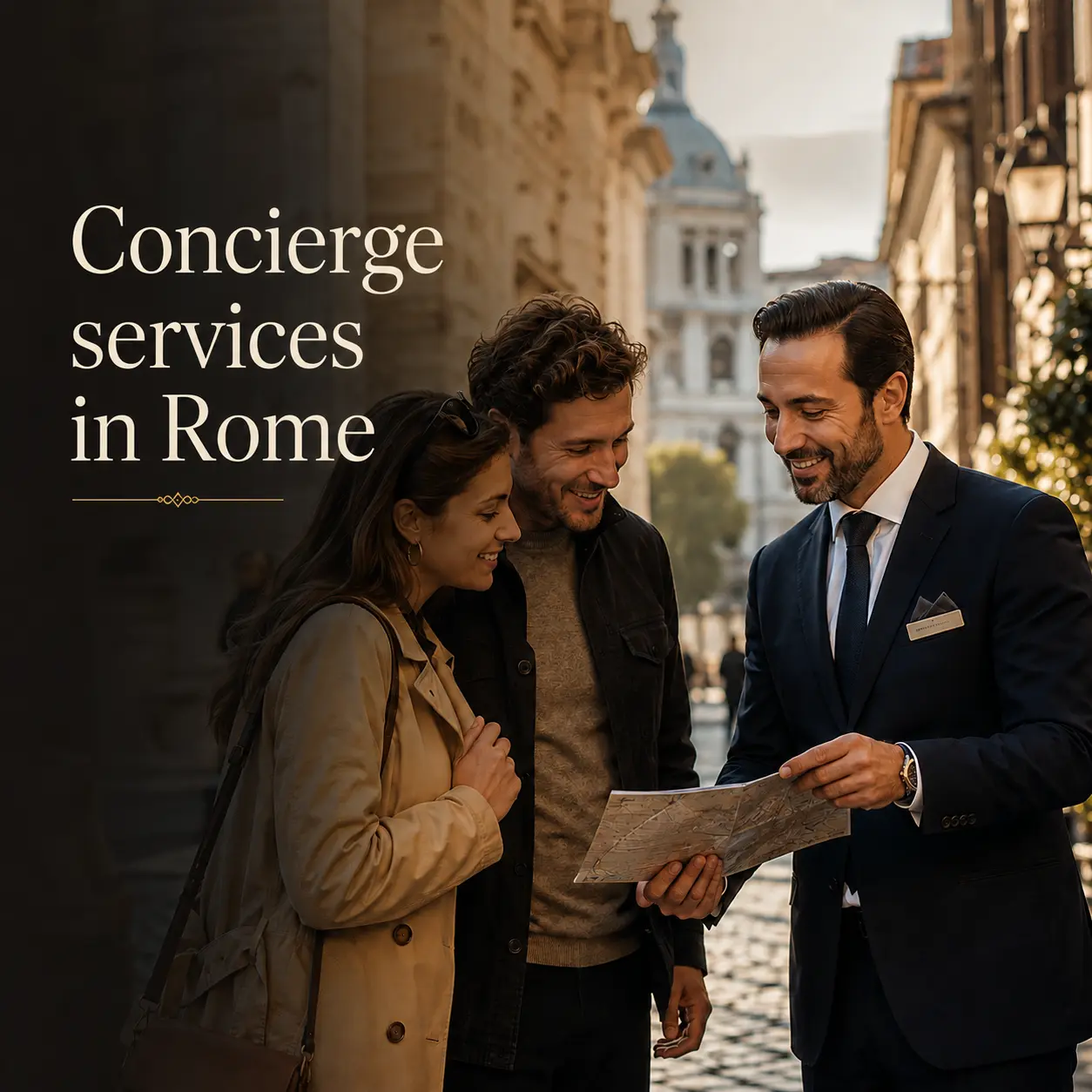
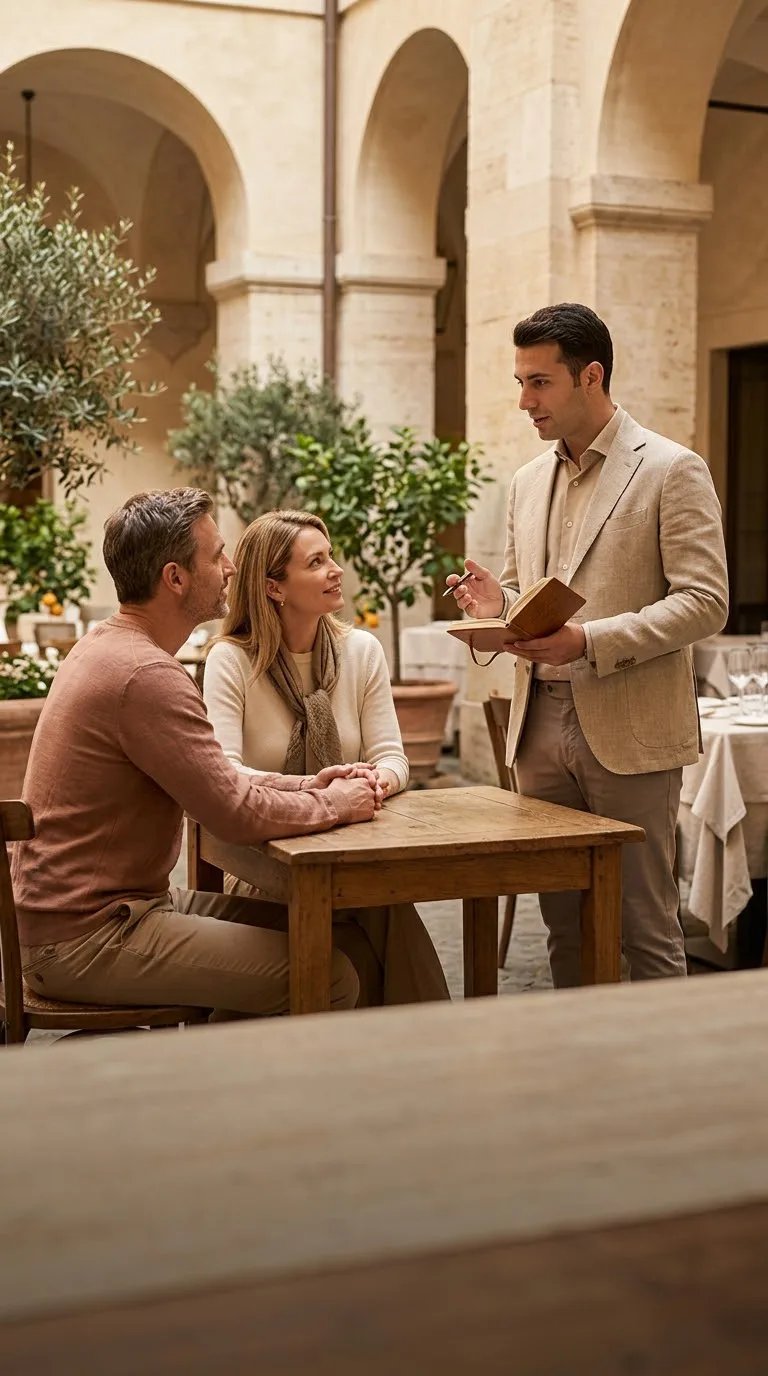
Concierge is valuable when the brief is “make all of this work without me coordinating five providers.” It is less valuable when all you need is one restaurant booking you can make online yourself.
Our Rome concierge service is built around the first case: private tours, transport, shopping, dining and special requests coordinated into one realistic day.
Frequently asked questions
Where do wealthy travelers stay in Rome?
The most convenient high-end areas include the Spanish Steps/Tridente, Campo Marzio, Via Veneto/Villa Borghese and parts of the historic center. The best choice depends on whether you prioritize shopping, walking, nightlife or quiet.
Is a private driver worth it in Rome?
Yes for airport transfers, complicated days, groups and fixed appointments; not necessarily for ordinary movement inside the walkable historic center.
What is the most worthwhile luxury experience?
A great private guide or customized experience usually changes the quality of the trip more than simply paying for an expensive venue.
A local warning about trying too hard to “eat like a local”
The r/rome food threads contain a useful contradiction: visitors ask for places with no tourists, while Romans point out that central Rome is a tourist city and that locals themselves disagree about favorite restaurants. One of the better community reminders is simply to accept that you are a visitor and focus on whether the place is good.
That is the tone I would use for a high-budget trip too. You do not become more Roman by taking a 35-minute taxi to prove there are no Americans at dinner. Spend on food quality, service and a neighborhood you want to be in; skip the authenticity theatre.
Community check: Community discussion on r/rome. Community comments are anecdotal; opening hours, prices and rules are checked against official sources elsewhere in this guide.
Sources checked for this guide
- Turismo Roma — shopping and neighborhoods
- Turismo Roma — Historic Shops of Excellence
- Gigi Rigolatto Roma — official rooftop information
- Zuma Rome — official restaurant and rooftop
A high budget works best when it removes friction and opens access without disconnecting the trip from Rome itself.