If you are flying back to the United States from Rome, the best souvenirs are the ones that survive the flight, clear US customs without drama and still feel worth carrying across the Atlantic. That immediately makes some purchases smarter than others.
This guide is specifically for US travelers. It separates easy, low-risk purchases from food categories that need more care, explains what to declare, and focuses on things that are actually worth using suitcase space for.
| Best Rome souvenirs for Americans — quick answer | |
| Easiest gifts | Scarves, leather accessories, pens, notebooks, books, packaged sweets and coffee |
| Best high-value purchase | Italian fashion, jewelry, watch or artisan piece you already genuinely want |
| Good food souvenirs | Packaged pasta, olive oil, coffee, sweets and many shelf-stable foods |
| Food category to check carefully | Meat and poultry products |
| US customs rule | Declare all agricultural and wildlife products |
| What to keep | Original packaging and receipts for food products |
| Tax-free shopping | Eligible non-EU residents can qualify on Italian invoices over €70 |
| Biggest mistake | Buying first and checking US import rules only after packing |
Information checked on September 23, 2026. USDA and US Customs rules can change because of animal and plant disease conditions. Recheck official guidance immediately before flying if a food product is important to you.
What Americans can bring home without creating a luggage problem
1. A quality leather accessory
A wallet, belt, small bag or card holder is one of the easiest Italian purchases to travel with. It takes little luggage space and can last for years if you buy from a reputable maker.
Do not buy on the phrase “Italian leather” alone. Ask where the item was made and inspect stitching, lining and hardware.
2. A scarf, shirt or knitwear piece
Clothing is easy to pack and often a better reminder of the trip than decorative souvenirs. Rome’s mix of luxury flagships, heritage stores and independent boutiques gives you options from major designer pieces to understated Roman shops such as Schostal.
If you are buying a gift, scarves and knitwear are easier than fitted clothing because sizing is less risky.
3. A fountain pen or beautiful notebook
Historic stores such as Antica Cartotecnica make this one of Rome’s strongest non-fashion souvenirs. A good pen or leather notebook fits in carry-on luggage, does not create agricultural-customs questions and can feel genuinely special.
4. Jewelry
Jewelry works particularly well for anniversary, birthday or proposal trips. If the piece is valuable, keep the purchase receipt, understand warranty and insurance, and remember that US customs rules about declaring high-value purchases on your return are separate from Italian VAT-refund procedures.
5. Packaged pasta
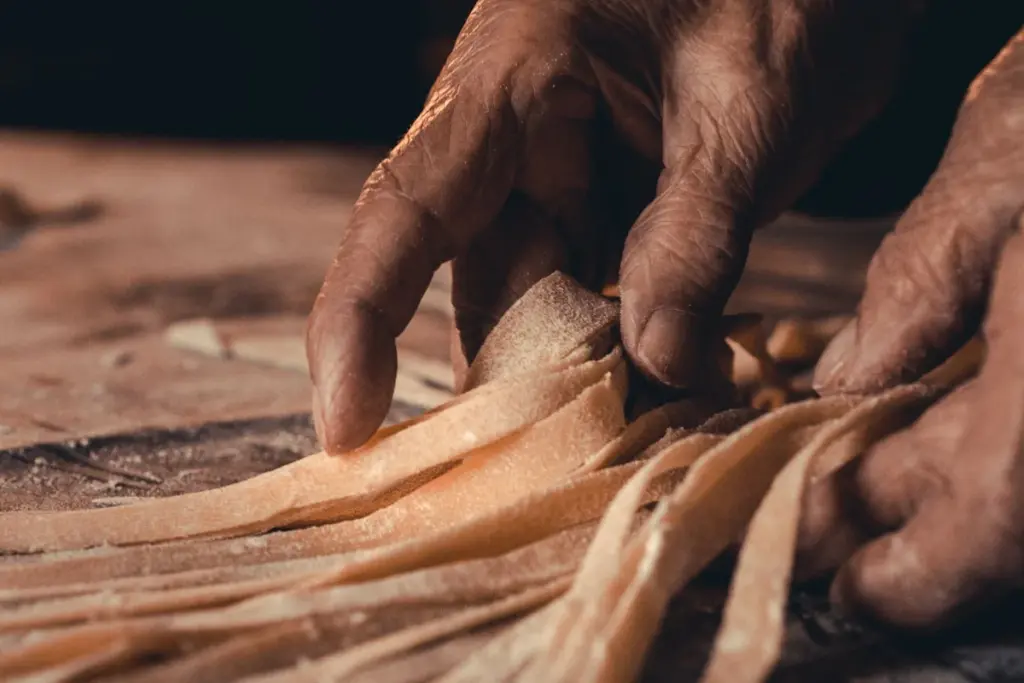
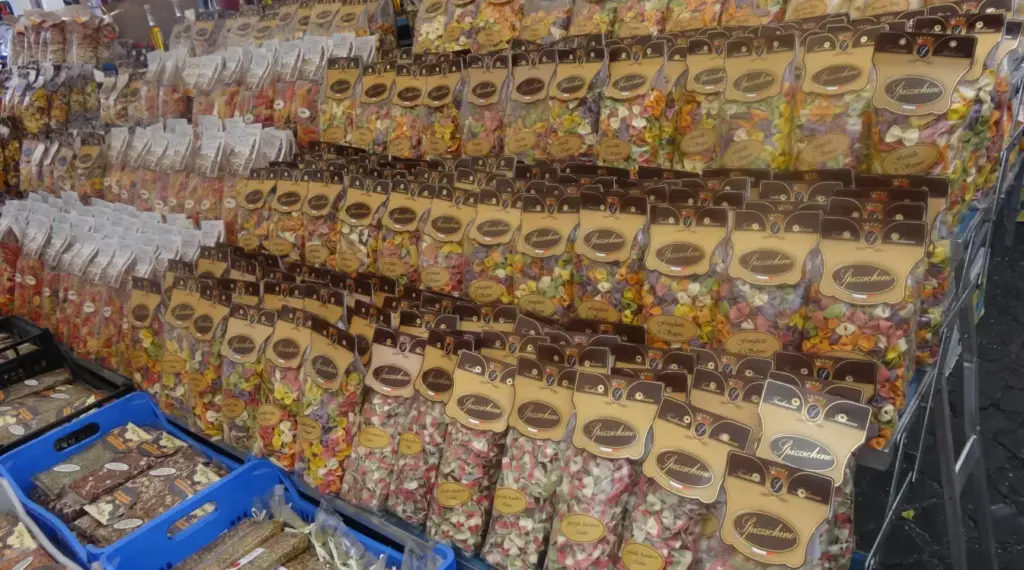
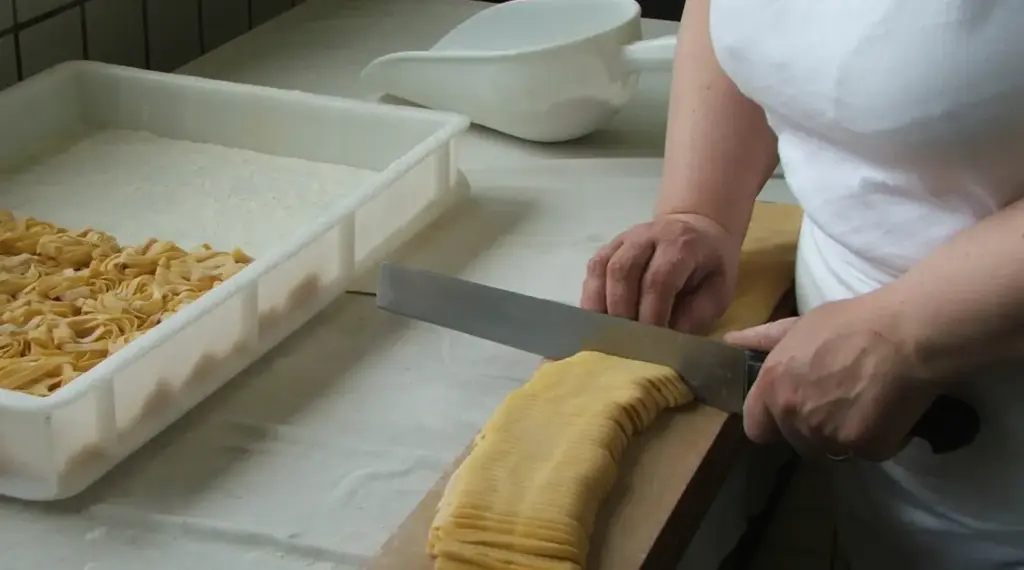
Dried commercial pasta is one of the simplest food gifts: light, durable and easy to use at home. Choose a producer or shape that actually feels different from what you can buy at a US grocery store.
Keep it in original packaging and declare food items as required when entering the United States.
6. Olive oil
Olive oil is a good purchase if you buy from a reputable producer and protect the bottle properly. The practical issue is not only customs but luggage: glass, liquid and weight.
Wrap the bottle, use a leak-resistant bag and put it in checked luggage when necessary. A smaller high-quality bottle is often smarter than a decorative liter bottle.
7. Coffee
Whole beans or sealed ground coffee travel easily. Buy the grind that matches the equipment at home — moka, filter and espresso are not interchangeable just because the packaging looks Italian.
8. Chocolate, biscuits and packaged sweets
CBP currently says candy and chocolate are generally admissible. Packaged sweets also travel better than fresh pastries and are easy to share.
Still declare agricultural food products as required. “Generally admissible” is not the same as “do not mention it.”
9. Cheese — choose carefully
CBP currently notes that cured cheese is generally admissible, but exact rules can depend on the product. The practical issue is also storage. A cheese that needs careful refrigeration may not be worth carrying through airports and connections.
If you buy cheese to take home, keep commercial packaging and receipts and declare it on arrival.
10. Meat products — check before buying
USDA restricts many meat and poultry products because animal-disease conditions vary by country and can change. That makes cured meat the category where I would never rely on “the shop said tourists take this home all the time.”
Check USDA/APHIS guidance for the exact product and origin before buying it specifically for your flight back to the US.
11. A small piece of Italian homeware
A serving piece, espresso cups, small glassware or table linen can be a beautiful gift if it packs safely. Historic shops in Rome specialize in porcelain, crystal, silver and linens, particularly around the historic center and Jewish Ghetto.
For fragile or expensive objects, ask whether the shop ships internationally. Paying for proper packing can be cheaper than finding broken crystal in your suitcase.
12. Vintage — but not “ancient”
Vintage clothing, prints and ordinary antiques can make great souvenirs. Be much more cautious with anything presented as an archaeological artifact or ancient Roman object.
Cultural-property rules are a different category from ordinary souvenir shopping. If provenance or export legality is unclear, walk away.
The customs part nobody should leave until the airport
Do Americans have to declare food from Italy?
Yes. USDA says travelers entering the United States must declare all agricultural and wildlife products. The inspecting officer decides whether an item meets entry requirements.
USDA specifically recommends keeping receipts and original packaging as proof of country of origin. Declaring something is not an admission that you did anything wrong; it is the correct process.
What happens if the inspector says no?
If you declared the item and it is not admissible, the inspector can refuse entry and you may have to surrender it. USDA notes that travelers who properly declare agricultural products are not penalized simply because an inspector determines an item cannot enter.
That is a much better outcome than failing to declare a prohibited product.
Tax-free shopping in Italy: the other side of the journey
Eligible US residents can also benefit from Italian tax-free shopping. The current Italian threshold is more than €70 per qualifying invoice, with goods exported from the EU within the required period.
Remember that Italian VAT refund and US customs declaration are two separate processes. Getting VAT back in Europe does not remove your obligations when entering the United States.
What I would buy with only carry-on luggage
- Scarves and clothing.
- Small leather goods.
- Jewelry.
- Pens and notebooks.
- Books and prints.
- Small packaged sweets or coffee, within airline/security limits.
What I would ship instead
- Fragile tableware.
- Multiple bottles.
- Large homeware.
- Expensive objects that deserve professional packing.
- Bulky purchases that would force another checked bag.
The easiest rule for US travelers
Buy durable things with a clear origin, keep documentation, declare food, and check restricted categories before paying. Your last hour in Italy should not be spent searching USDA rules while standing over an open suitcase.
Frequently asked questions
Can I bring cheese from Italy to the US?
CBP currently says cured cheese is generally admissible, but declare it and verify current rules for the exact product before travel.
Can I bring salami from Italy to the US?
Meat products are subject to stricter USDA restrictions that can change based on animal-disease status. Check current APHIS guidance for the exact product before buying it for import.
Do I need to declare olive oil?
USDA instructs travelers to declare agricultural products. Keep food in original packaging and follow the officer’s instructions on arrival.
What is the easiest luxury souvenir to bring home?
Jewelry, a small leather item, scarf or high-quality pen gives you high value with very little luggage complexity.
The traveler reality: the best souvenir is the one you can still deal with at FCO
Travel forums are full of people optimizing the fun part — what to buy — and forgetting the boring last mile: liquid limits, fragile glass, food declarations, customs and suitcase weight. My local rule is simpler: the farther you are from your final packing night, the less ambitious I would be with heavy or perishable purchases.
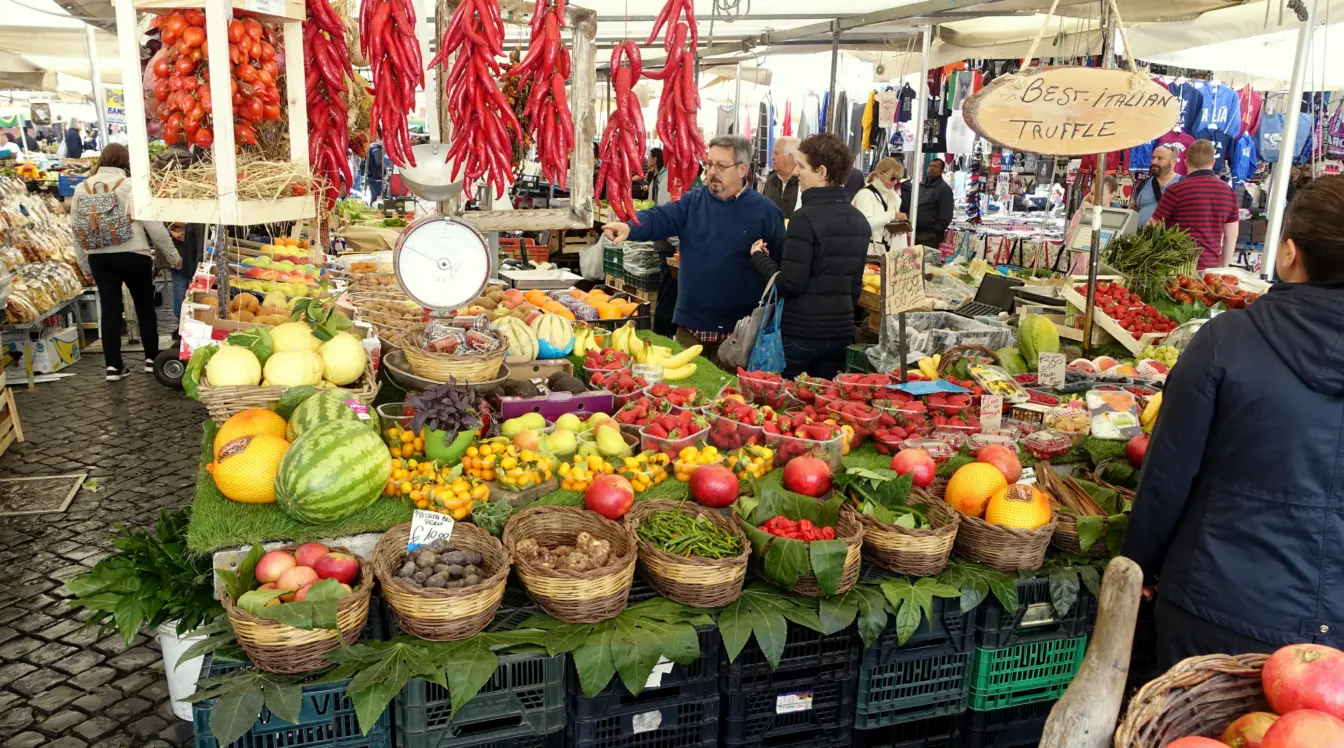
This is also why central specialist shops are so useful. A small leather item, pen, scarf or piece of jewelry can feel far more “Rome” than a suitcase full of food bought because it looked photogenic at a market.
Community check: Community discussion on r/rome. Community comments are anecdotal; opening hours, prices and rules are checked against official sources elsewhere in this guide.
Official sources used for this guide
- USDA APHIS — Traveling from another country
- USDA APHIS — meats, poultry and seafood
- US Customs and Border Protection — food guidance
- Italian Customs — tourist VAT refund guidance
US import and Italian tax-free information checked September 23, 2026. Always use the latest official rules for the exact product you plan to carry.