
The best thing to buy in Rome is not “something Italian.” It is something that is either difficult to buy well at home, meaningfully connected to the city, better bought from a specialist here, or valuable enough that the purchase becomes part of the trip.
That rules out a lot of tourist merchandise immediately. Rome is better for leather, jewelry, writing instruments, historic-shop products, selected fashion, artisan work, design objects and food you can legally take home than it is for generic “Made in Italy” souvenirs sold beside major monuments.
| What is worth buying in Rome — quick answer | |
| Best high-value purchase | Italian fashion, jewelry or a leather item you already genuinely want |
| Best distinctive gift | A fountain pen, leather notebook or collector object from a historic specialist |
| Best wearable souvenir | A shirt, scarf, knitwear piece or accessory from a Roman/Italian maker |
| Best artisan purchase | Micromosaic, jewelry, made-to-measure or a small piece bought directly from the maker |
| Best food souvenir | Packaged olive oil, pasta, coffee, sweets or other travel-safe products |
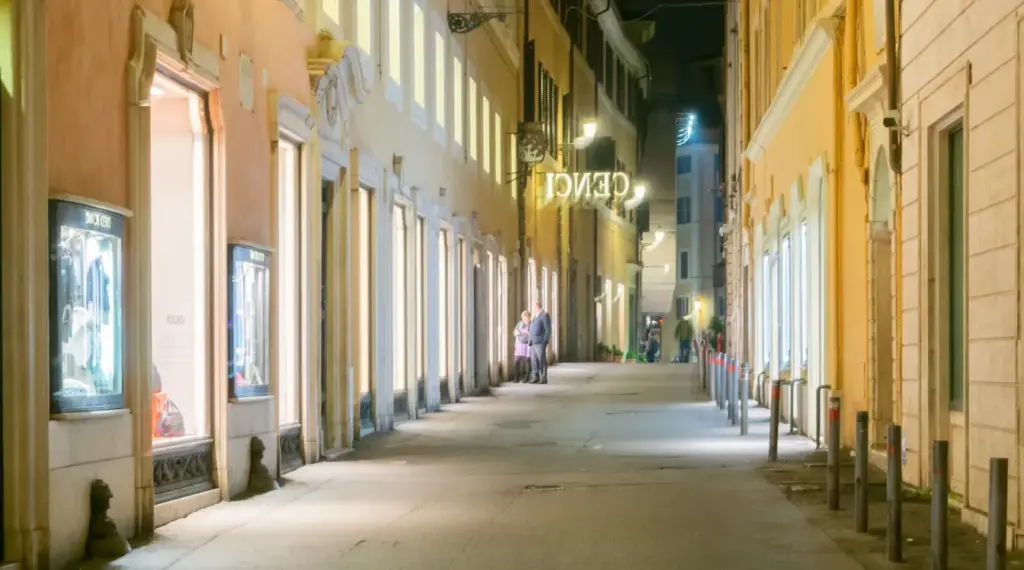
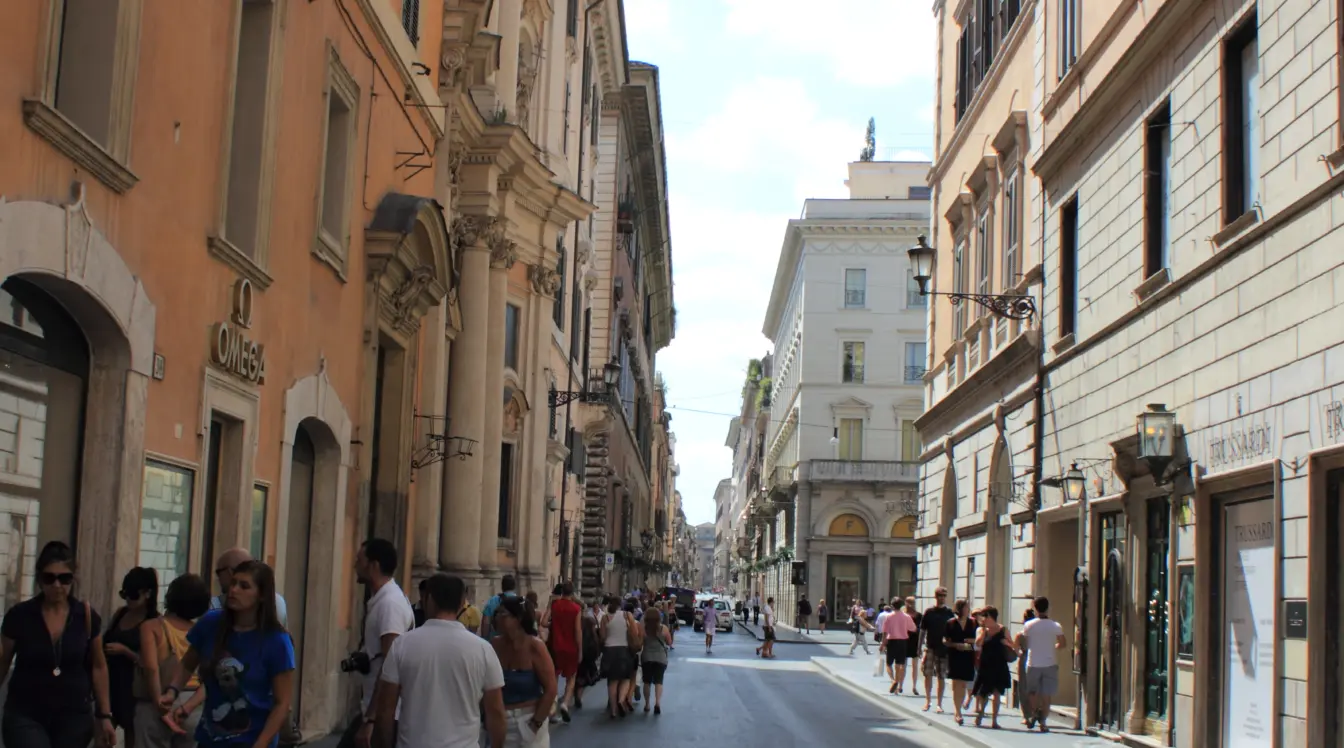
| Best area for luxury | Tridente / Via Condotti |
| Best area for independent finds | Monti and the historic center |
| Biggest red flag | “Italian leather” or “Made in Italy” claims with no clear maker, origin or quality story |
Information checked on September 22, 2026. Tax-free and import rules vary by traveler and destination. If you are spending serious money or bringing food home, verify the relevant official rules before purchasing.
What is actually worth bringing home
1. A good Italian leather item
Leather is one of the most obvious Italy purchases and one of the easiest categories to buy badly. A shop near a major monument can put “Italian leather” on a sign without telling you who made the bag, where it was assembled or why the leather is worth the price.
Look for construction, hardware, stitching, lining and clear information about origin. A smaller bag, wallet or belt from a reputable maker is a better souvenir than a large generic bag bought because a salesperson insists it is “real Italian.”
Worth paying more for: good leather, repairable construction and a maker who can explain the product.
2. Jewelry for a milestone trip
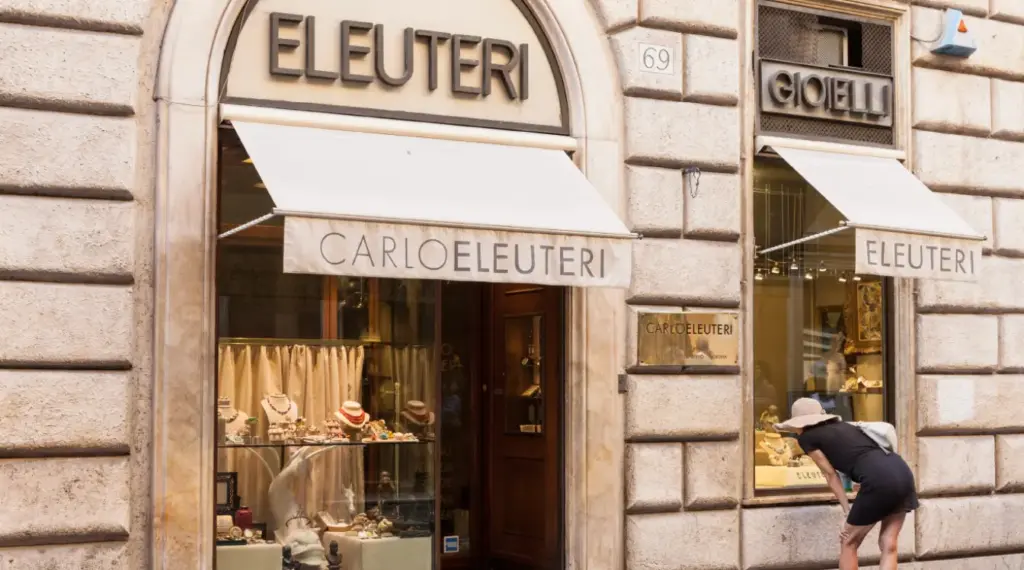
Jewelry works especially well for anniversaries, birthdays, proposals and family trips because the object carries the memory without looking like a tourist souvenir. Rome has global luxury jewelry in the Tridente as well as historic jewelers and independent makers.
If the purchase is valuable, ask about hallmarking, materials, warranty, resizing and tax-free documentation before paying. The romance disappears quickly if a ring cannot be serviced at home.
3. A fountain pen or writing object
This is one of my favorite Rome purchases because it is specific without being cliché. Antica Cartotecnica near the Pantheon is a historic specialist in pens, vintage writing objects, leather goods and collector pieces; Turismo Roma describes its own-brand bags and notebooks as made in Italy.
Stilo Fetti is another historic Roman writing specialist nearby. For a writer, architect, designer or someone who already owns enough clothes, this can be a much better gift than a fashion accessory.
4. Historic Roman clothing rather than another global logo
Schostal is a strong example: a Roman heritage store dating to 1870, known for understated shirts, pyjamas and wardrobe staples. It is a purchase with a Rome story that does not announce itself from across the room.
If your budget is higher, you can also look at made-to-measure shirts, tailoring or custom leather. Just allow enough time for fittings and delivery.
5. Italian fashion from the Tridente
If you already wanted a Fendi bag, Bulgari piece or Italian designer item, buying in Rome can make sense for the experience, selection and potentially tax-free treatment if you are an eligible non-EU traveler.
Do not buy a €3,000 bag simply because you have arrived in Italy and feel the trip requires one. The best luxury souvenir is still the thing you would want six months later.
6. Artisan jewelry, micromosaic or something made in front of you
Rome’s artisan experiences are valuable because they collapse souvenir and activity into the same purchase. A micromosaic workshop, jewelry-making class or visit to a working studio gives you both the object and the story behind it.
This is where “I bought it in Rome” becomes much more meaningful than a pre-packaged souvenir on a rack.
7. Tableware, silver or home objects
ENIT specifically points to historic stores around Via del Portico d’Ottavia for porcelain, glassware, cutlery and silver. Turismo Roma lists Leone Limentani among the city’s Historic Shops of Excellence in tableware, silver and crystal.
This category is underrated because people assume a souvenir must fit in a pocket. If you care about cooking, entertaining or interiors, one good serving piece can be more memorable than five small trinkets.
8. Food you will actually use
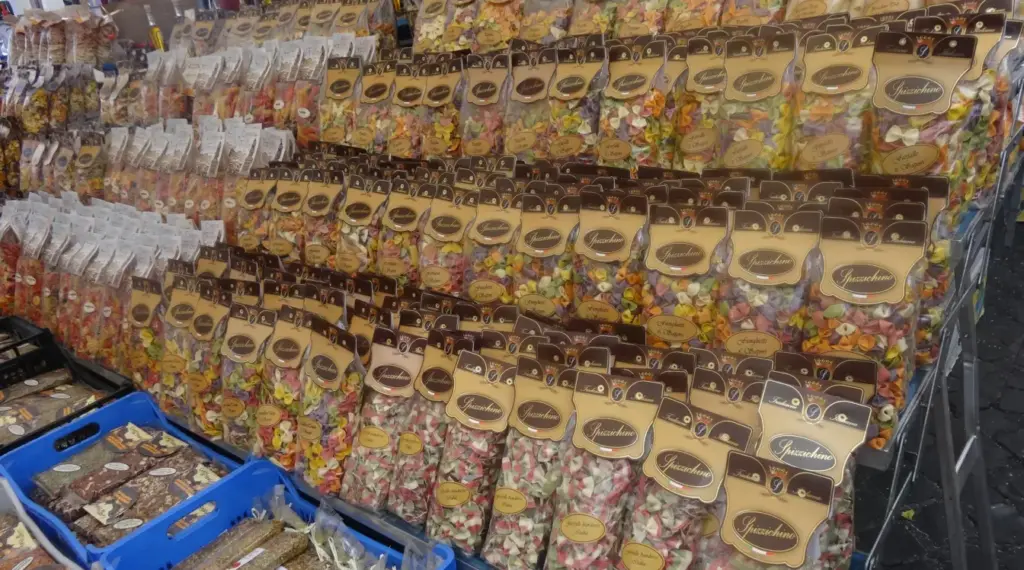
Packaged pasta, olive oil, coffee, sweets and other shelf-stable products can make excellent gifts. The key is buying something better or more specific than what you can already get at a US supermarket.
Local markets such as Mercato Trionfale are useful for understanding products, but not everything sold at a market is practical to fly home. Keep original packaging and receipts for agricultural products if you are entering the United States, and declare them.
9. Vintage fashion with a reason to exist
Monti and Via del Governo Vecchio are good for vintage and designer second-hand. The reason to buy here is not automatically lower price; it is finding a piece you are unlikely to see at home.
For expensive designer goods, authentication and condition matter more than the romance of buying vintage in Rome.
10. Books, prints and paper goods
A small art book, vintage print, exhibition catalogue or beautifully made stationery travels well and connects naturally with Rome’s visual culture. This is especially strong for travelers who want to avoid decorative objects with no use at home.
How to buy without falling for the “Made in Italy” theatre
Things I would not buy
- Fake “ancient” coins or archaeological objects with unclear provenance.
- Generic leather from a store that cannot explain the maker or origin.
- Huge bottles of liquids without thinking about luggage weight and breakage.
- Fresh meat products for a US return trip without checking current import rules.
- Anything expensive purely because the salesperson says the tax refund makes it a bargain.
- Mass-produced Colosseum objects you can buy from dozens of identical shops.
How to tell if something is actually made in Italy
Ask. A good store should be able to explain who made the product, where and from what materials. “Italian design,” “Italian leather” and “made in Italy” are different claims.
For artisan products, look for a real workshop relationship. For fashion, read labels and ask about manufacturing. Do not let packaging do all the talking.
How much should you budget?
You can bring home something excellent for €30 or spend €10,000. The smarter question is whether the category justifies the price.
- Under €50: food, paper goods, small vintage, simple accessories.
- €50–€200: quality shirts, pens, leather accessories, artisan jewelry, homeware.
- €200–€1,000: serious leather, vintage designer, jewelry, tailoring, craftsmanship.
- €1,000+: major fashion, watches, fine jewelry, bespoke work.
Where I would shop by category
- Luxury fashion: Tridente / Via Condotti.
- Independent fashion and vintage: Monti.
- Historic specialists: Pantheon, Campo Marzio and Jewish Ghetto areas.
- Food: reputable specialty shops and local markets such as Trionfale.
- Artisan work: workshops and studios, preferably with a known maker.
Tax-free shopping: when it matters
For eligible non-EU travelers, Italy currently allows tax-free treatment on qualifying invoices over €70. The refund matters much more on a €2,000 purchase than on a €75 gift.
Get the paperwork right in the store, keep the goods accessible for customs when leaving the EU and remember that refund operators may deduct fees.
The simplest rule
Buy something because Rome gives you a better story, specialist, maker, selection or experience — not because the object has the word “Roma” printed on it.
Frequently asked questions
What is Rome famous for buying?
Italian fashion, leather, jewelry, artisan goods, historic-shop products, design objects, food and vintage are stronger categories than generic souvenir merchandise.
Is Italian leather cheaper in Rome?
Not automatically. Quality, brand and construction matter more than location. Buy from a reputable maker or retailer rather than assuming any “Italian leather” sign means good value.
What is a good luxury souvenir from Rome?
A piece of jewelry, quality leather, a heritage shirt, fountain pen, made-to-measure item or artisan piece can all work if they fit your real interests.
The Rome rule I trust more than souvenir lists
A lot of local and frequent-visitor advice boils down to the same thing: walk a little farther, slow down and stop trying to extract a “must buy” from every neighborhood. Rome has plenty of stores aimed at people who will never return; the safest filter is whether the business seems to rely on repeat customers, specialist knowledge or a real maker behind the product.
That does not mean avoiding tourist areas. Excellent shops exist in the center. It means not treating proximity to the Pantheon or a “Made in Italy” sign as proof of quality. Ask one extra question — who made this? — and the purchase usually becomes much easier to judge.
Community check: Community discussion on r/rome. Community comments are anecdotal; opening hours, prices and rules are checked against official sources elsewhere in this guide.
Sources checked for this guide
- Turismo Roma — shopping in Rome
- ENIT — Shopping Tourism in Lazio
- Turismo Roma — Historic Shops of Excellence
- USDA APHIS — bringing agricultural products into the United States
practical information checked September 22, 2026. Import and tax rules can change; check official guidance before high-value or food purchases.