

Rome is easy to eat in and surprisingly easy to eat badly in. The centre is full of places selling the same four Roman dishes, and the challenge for visitors is not finding carbonara. It is deciding whether a food tour, a cooking class or a self-guided evening gives you the best return for your time.
Food tour vs cooking class: the quick answer
Choose a food tour if you want several tastings, neighbourhood context and a meal that moves through the city. Choose a cooking class if you want a hands-on activity and a strong indoor option. Go DIY if you already research restaurants well and prefer complete freedom.
When a food tour is worth it
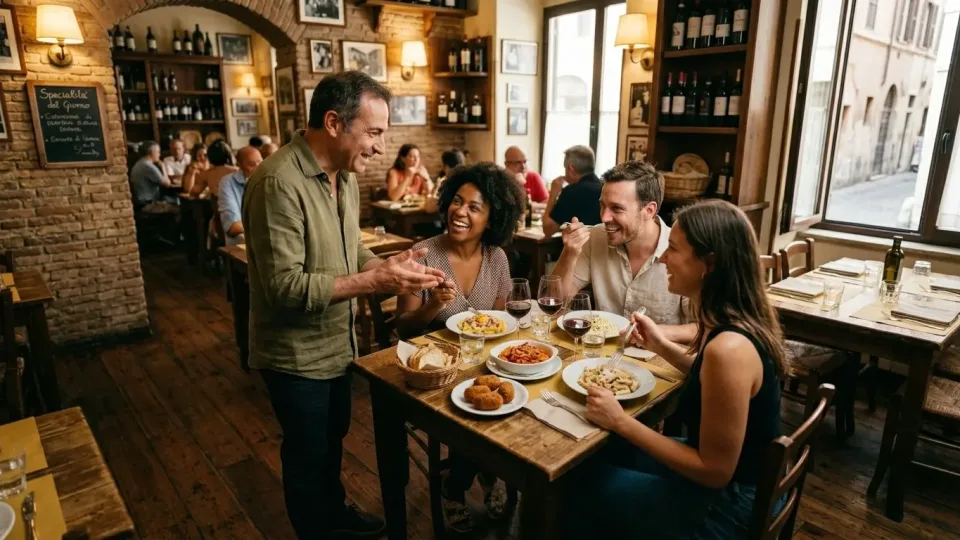
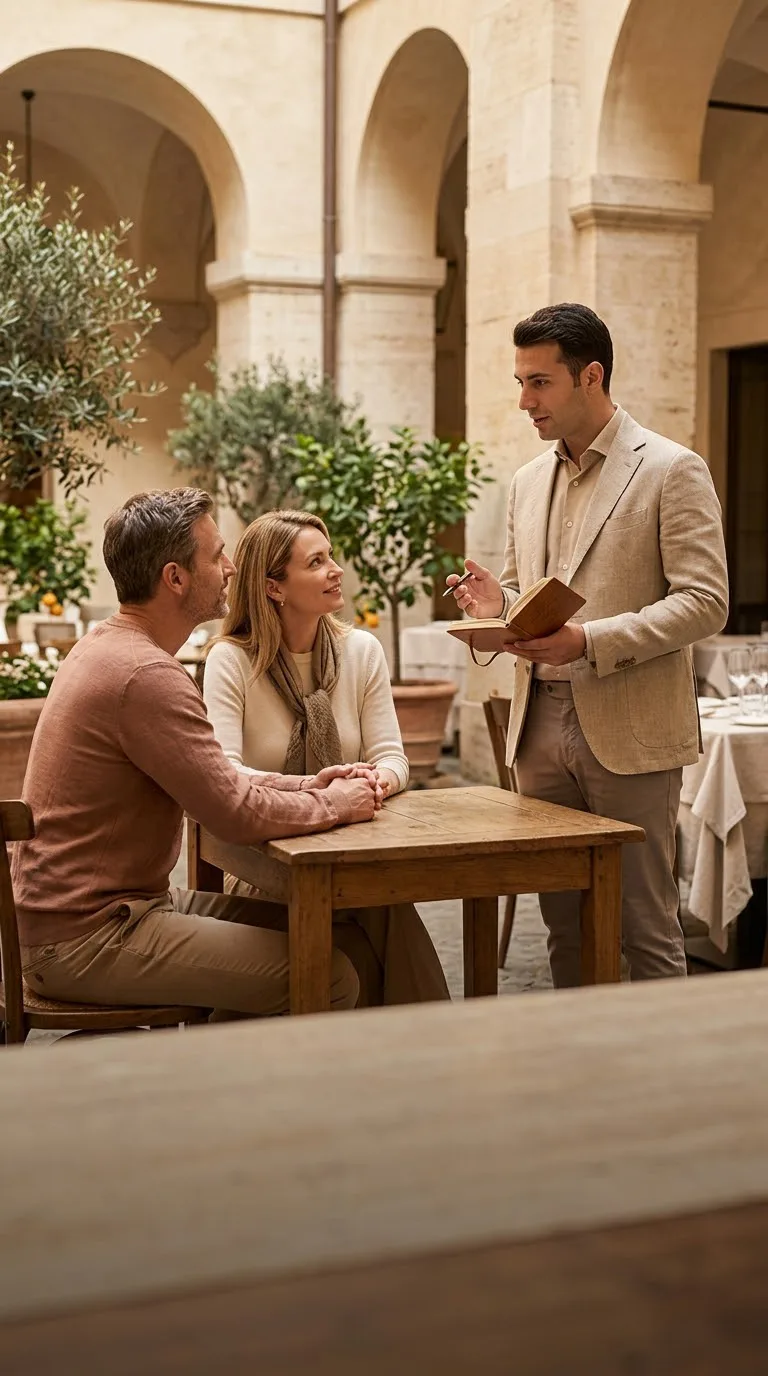
A good food tour is not just a sequence of snacks. It should teach you how a neighbourhood eats, what to look for in Roman dishes and how to spot the difference between a local stop and a tourist-facing one.
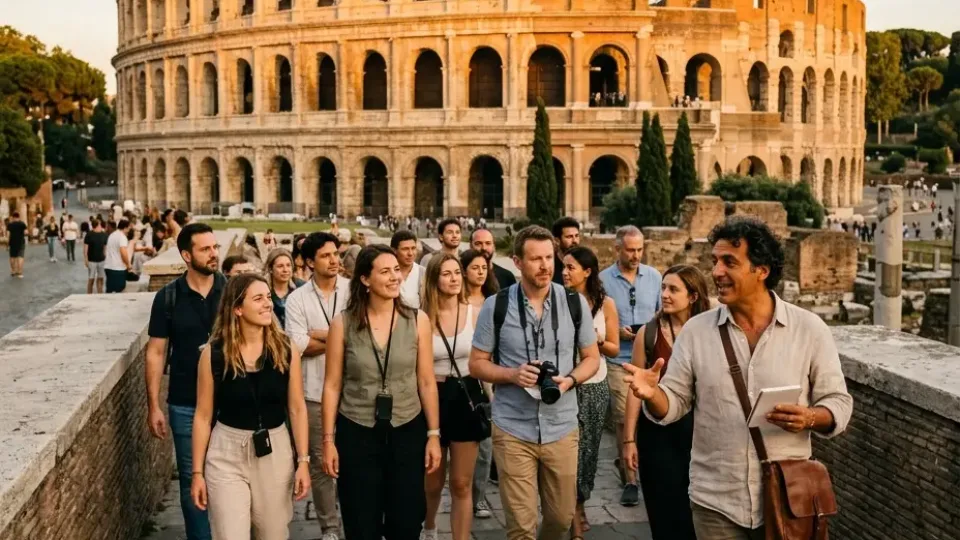
Our Roman Food Tour is the cleanest option if you want the classic format.
When a cooking class is better
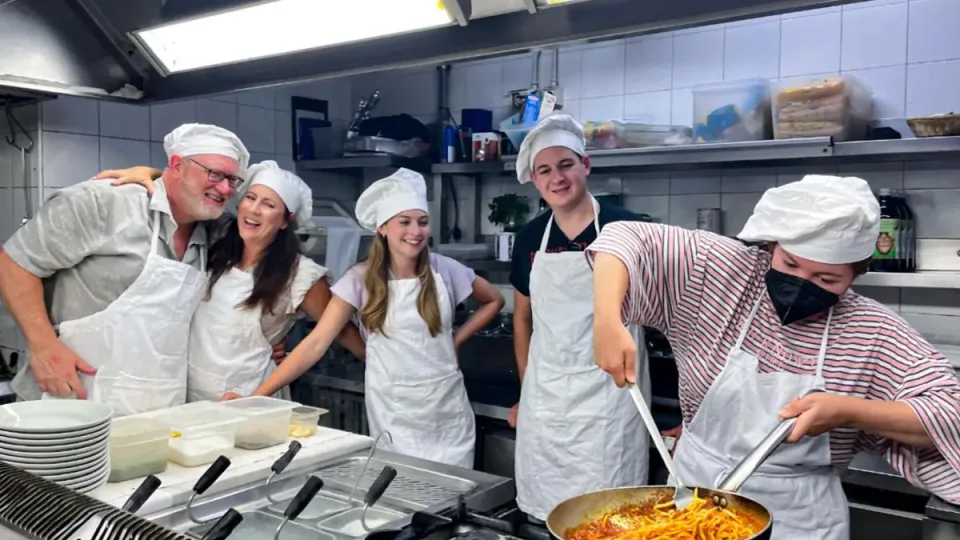
Cooking classes work particularly well for couples, families, repeat visitors and rainy days. They also give you something to do rather than another sightseeing route.
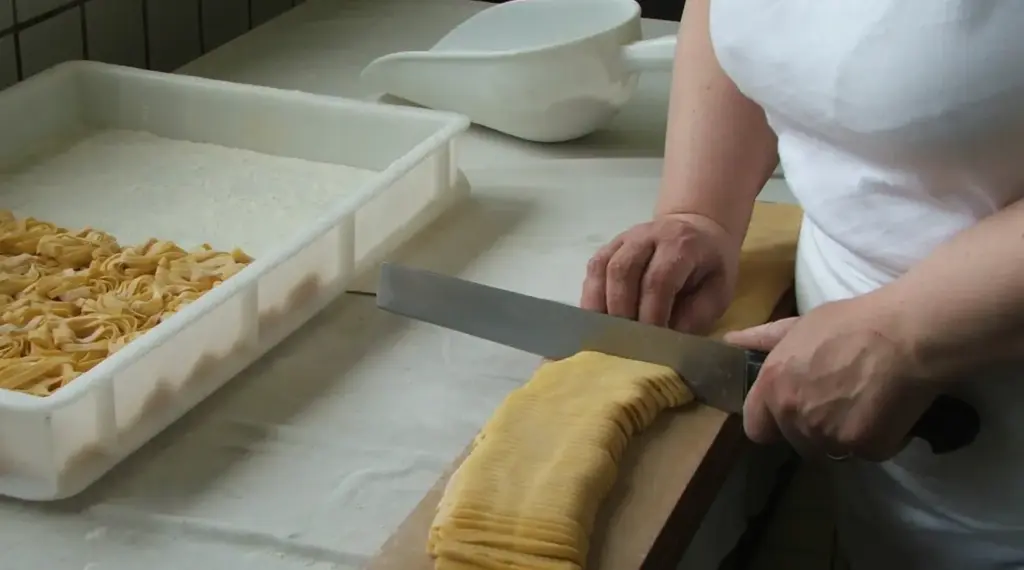
Options include a fresh pasta class in Trastevere, pizza-making class, tiramisu and gelato class and a cooking class in the Jewish Ghetto.
What about doing it yourself?
DIY is the best value if you know what you want to eat and are happy to build the route yourself. Read our guide to what to eat in Rome before choosing restaurants.
The downside is that you get food but not necessarily context, and popular neighbourhoods such as Trastevere can be full of places designed mainly for passing tourists.
Best area for a Rome food experience
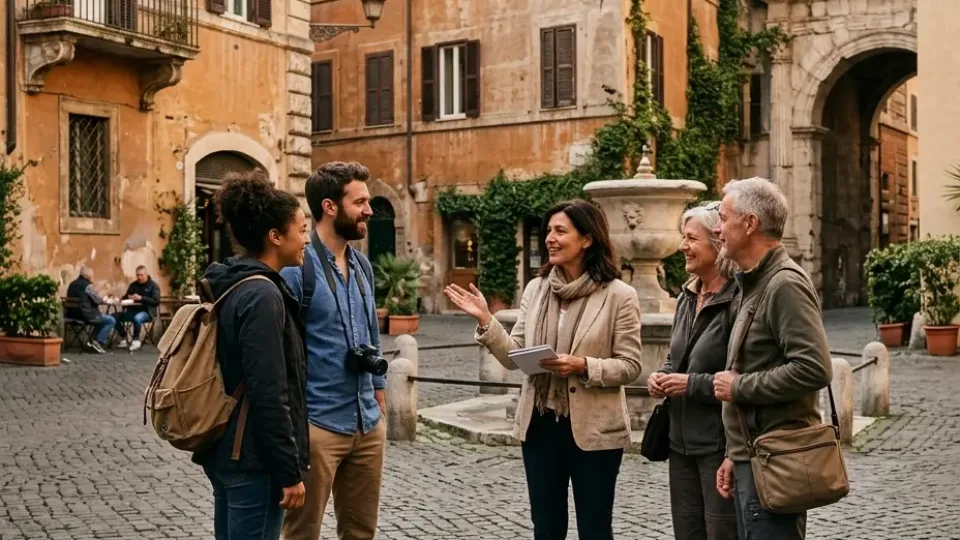
Trastevere
Best for atmosphere, evening tours and classes. It is easy to combine with a walk and works well after a sightseeing-heavy day.
Jewish Ghetto
Best if you want Roman-Jewish traditions and a more specific food story rather than a generic tasting route.
Historic centre
Best for travellers with limited time who want food combined with the classic city.
The historic centre walking tour with pizza-making is built around exactly that combination.
What should you book for a first trip?
If you only choose one food experience, we would pick a food tour if eating is one of the main reasons you travel; otherwise choose a cooking class as a change of pace from monuments.
For the wider trip, compare our best tours in Rome 2026 and 3-day Rome itinerary.
Autumn is especially good for food experiences
September and October are comfortable months for walking food tours, while cooler or rainy days make classes more attractive. See our autumn food guide for seasonal ideas.
How much food should a tour actually include?
A food tour should replace a meal, not become an expensive appetiser before dinner. Before booking, check whether the experience includes several substantial tastings, drinks, a seated stop or mostly small samples. A lower price is not automatically better if you need another full meal immediately afterwards.
Food tour, cooking class or DIY: who each option suits
| Format | Best for | Main trade-off |
|---|---|---|
| Food tour | First-time visitors, curious eaters, neighbourhood context | Less control over pace and menu |
| Cooking class | Couples, families, rainy days, hands-on travellers | Less neighbourhood exploration |
| DIY | Independent travellers, repeat visitors, tighter budgets | You need to research and choose well |
What a good Rome food tour should teach you
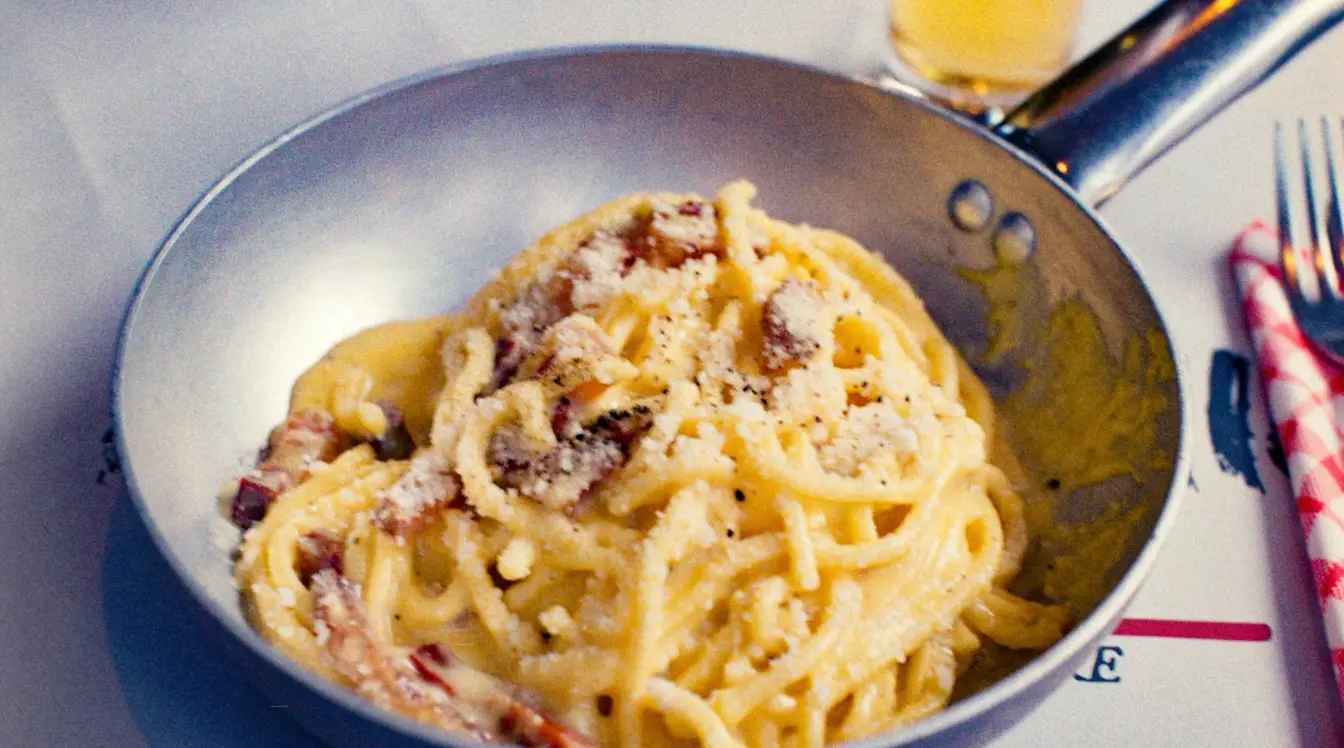
The useful part is not hearing that carbonara contains eggs and pecorino. A worthwhile tour should help you understand how Roman food works: bakery culture, aperitivo, markets, Roman-Jewish traditions, seasonal dishes, which foods belong to breakfast and which make sense at dinner, and why different neighbourhoods developed different food identities.
You should also finish better equipped to choose restaurants for the rest of the trip. If you still cannot recognise an obvious tourist menu, understand a seasonal special or order with more confidence, the experience has done little beyond feeding you.
Trastevere: great choice or tourist trap?
Both. Trastevere is genuinely historic, lively and full of good food, but its popularity means quality varies enormously. That is exactly why a curated food experience can work well there: the area is easy to enjoy but difficult for a first-time visitor to judge from the street.
Testaccio vs Trastevere
Choose Trastevere if you want evening atmosphere and a route that combines naturally with drinks and nightlife. Choose Testaccio if you care more about Roman food identity, markets and a neighbourhood that feels less like a sightseeing destination.
Why the Jewish Ghetto is different
The Ghetto gives you access to Roman-Jewish cooking, one of the city’s most distinctive food traditions. Dishes such as carciofi alla giudia belong to a specific history, not simply to a list of “Roman foods”. If that context interests you, a focused experience here can be more valuable than a generic greatest-hits tasting.
How to recognise a weak food experience before booking
- The description promises “authentic food” but never names the neighbourhood or type of stops.
- The route includes mostly desserts, pizza slices and drinks while calling itself a full dinner.
- The group is so large that every tasting becomes a queue.
- The experience spends more time selling products than explaining food culture.
- The menu ignores allergies or dietary restrictions without saying so clearly.
What should families choose?
Cooking classes are often easier with children because there is a clear activity, less walking and a predictable duration. A long tasting route can work with older children who enjoy food, but it is harder with tired younger kids after a full sightseeing day.
What if it rains?
A cooking class is one of the safest bookings in bad weather because the activity is not degraded by rain. A walking food tour can still work with light rain, but the experience changes if much of the route depends on outdoor markets or neighbourhood walking.
See our broader rainy-day Rome guide.
FAQ: food experiences in Rome
Should I take a food tour on the first day?
It can be smart: you learn what to order and where to look for the rest of the trip. Just avoid putting it immediately after a large lunch.
Is a cooking class too touristy?
It depends on the class. The useful question is whether you actually cook, whether the group is manageable and whether the instructor explains techniques you can repeat at home.
Do I still need dinner after a food tour?
A well-designed evening food tour should function as dinner. Check inclusions rather than assuming.