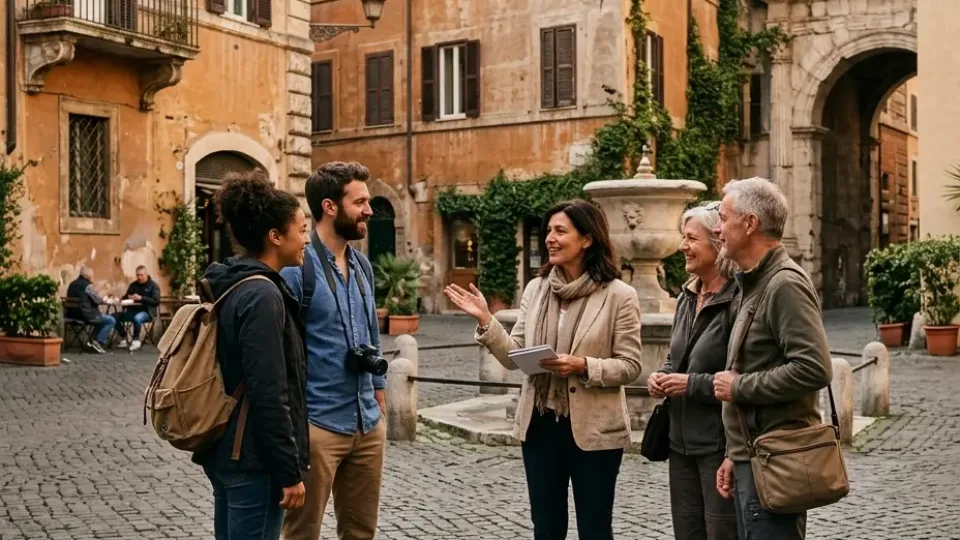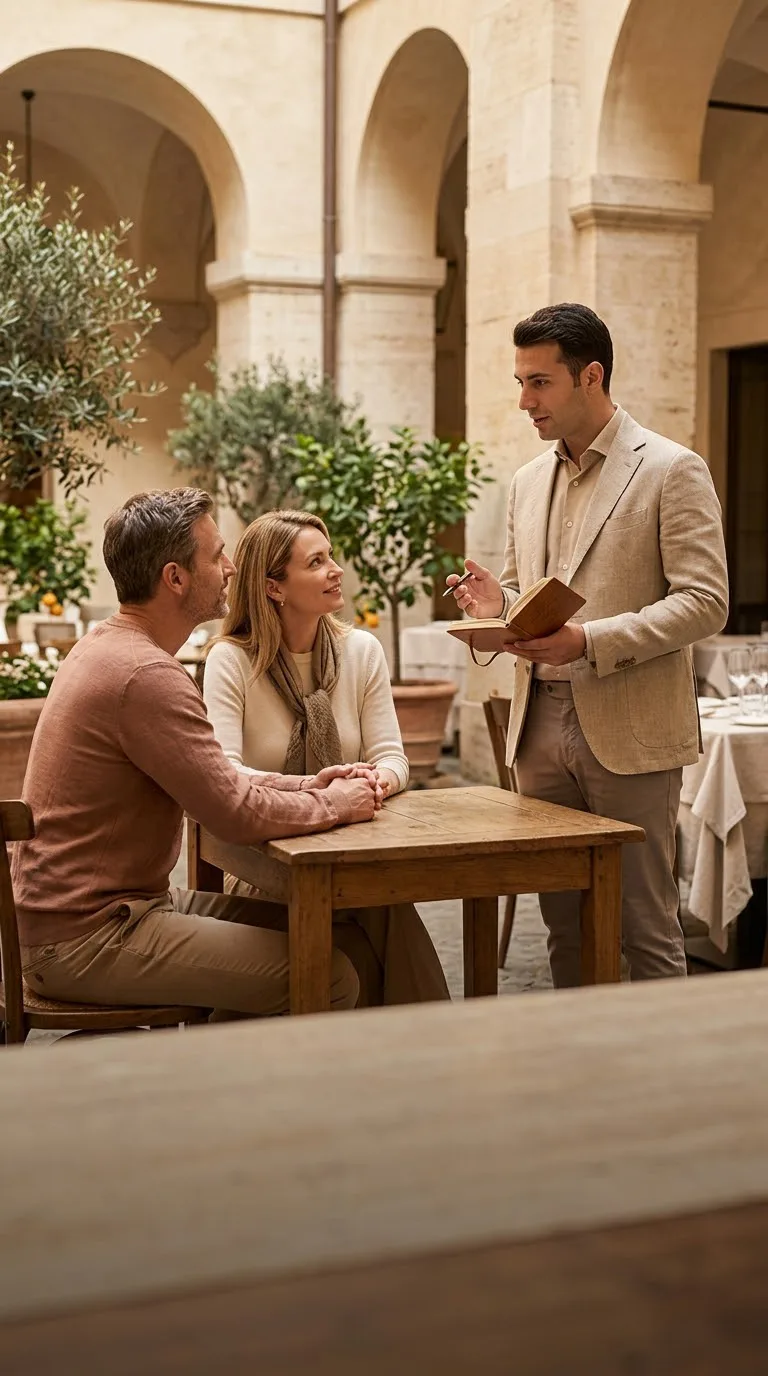

“Cook with an Italian grandma” has become one of those Rome experiences that sounds almost too perfectly engineered for social media. In 2026, the format is having a real moment: travelers are actively looking for smaller, human experiences built around family recipes, storytelling and hands-on cooking rather than another polished demonstration in a professional kitchen.
The good version can be excellent. The bad version is simply a standard pasta class with “Nonna” added to the product title. This guide explains what you should actually expect, how to tell the difference, whether the trip outside central Rome is worth it and who gets real value from the experience.
| Pasta with a Nonna in Rome — quick answer | |
| Is it worth it? | Yes if you want a social, hands-on cultural experience rather than a technical cooking school |
| Best for | Couples, families, food travelers, repeat Rome visitors and people who want something personal |
| Central Rome option | Nonna’s operates an experience at Il Collegio near the Pantheon |
| Countryside option | Palombara Sabina, about 30 km northeast of central Rome, where the original experience began |
| What you make | Usually handmade pasta and a meal; the exact menu depends on the specific class |
| Family friendly? | Nonna’s official site currently accepts guests aged 6+ |
| Dietary options? | The official experience states that gluten-free and vegetarian options are available |
| Biggest red flag | A generic commercial cooking class using “nonna” branding without a real host, story or small-group interaction |
Information checked on September 22, 2026. Menus, hosts, locations and availability change, so treat the details below as planning guidance and confirm the exact class before booking.
Why “cooking with grandma” is suddenly everywhere
The trend has become visible enough in 2026 to earn its own slightly ridiculous internet label: “nonnamaxxing.” Behind the meme is something more understandable. Travelers are looking for experiences that feel personal and hard to reproduce at home. Making pasta with someone who has cooked the same family recipes for decades fits that need better than simply watching another chef demonstration.
Rome is a natural place for it because food culture is still strongly tied to family methods and regional identity. The appeal is not that every Italian grandmother is secretly a Michelin chef. It is the combination of technique, memory, conversation and eating together.
The Rome experience that helped make the idea famous
One of the best-known examples is Nonna’s – Handmade Pasta With Grandma, founded by Chiara Nicolanti. The project began in Palombara Sabina with Nonna Nerina and has since expanded. Its official site currently offers experiences in both Palombara Sabina and central Rome, at Il Collegio near the Pantheon.
The company describes the experience as more than a cooking lesson: handmade pasta, food, stories and time with women who learned the recipes through family tradition. Gambero Rosso has also covered Nicolanti’s work around preserving regional pasta traditions, and the project has been featured for years in Italian media.
Central Rome vs Palombara Sabina: which should you choose?
Choose central Rome if you have a short trip
If you have two or three days in Rome, the Pantheon-area option is much easier to justify. You can combine the class with Piazza Navona, the Pantheon, the Jewish Ghetto or an evening walk without losing several hours to transport.
This is the right choice for someone who wants the human cooking experience but still needs an efficient sightseeing itinerary.
Choose Palombara Sabina if the experience is the point of the day
The original experience outside Rome is more immersive because you are leaving the tourist center and entering a small-town setting. That can be exactly why it is memorable. It also means you need to treat it as a significant part of the day rather than “a cooking class between the Vatican and dinner.”
For a repeat visitor, family group or food-focused trip, I would strongly consider the countryside option. For a first-time visitor with only 48 hours, I would not.
What do you actually do during the class?
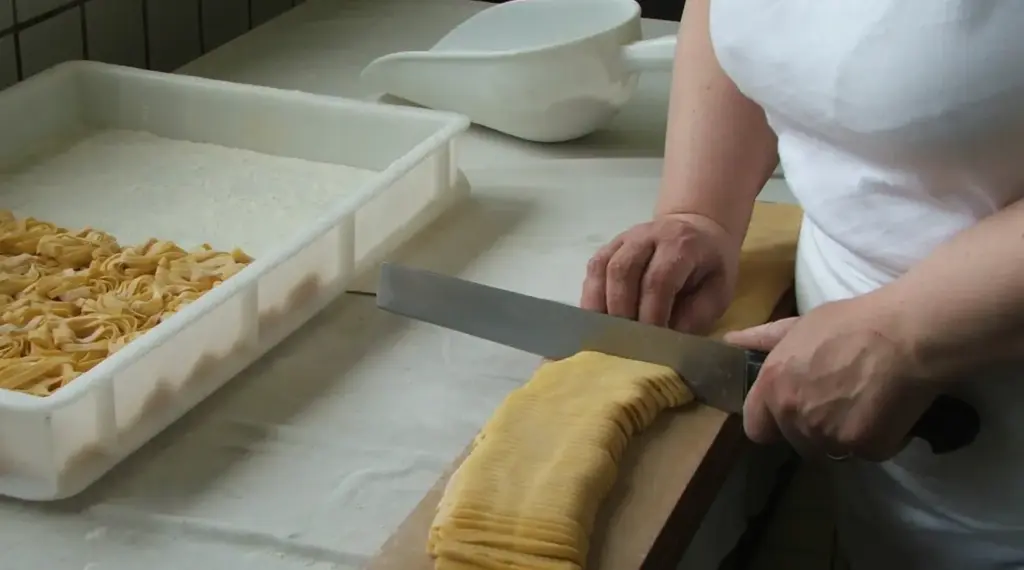
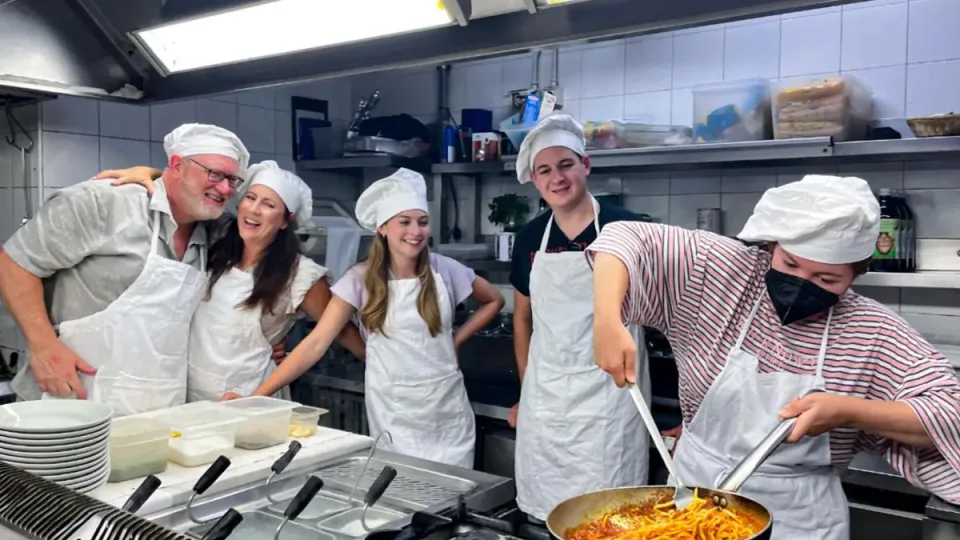
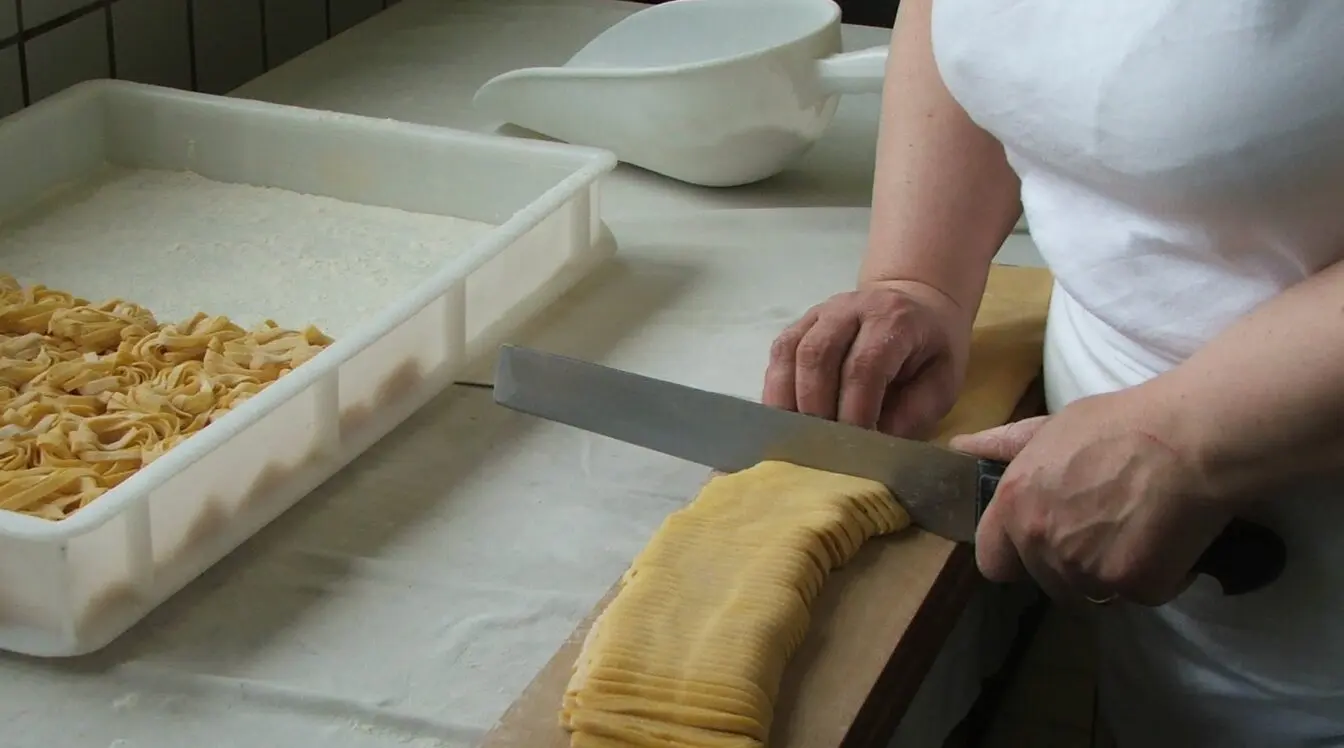
The exact format depends on the operator, but the useful version is hands-on. You should expect to work with dough, learn how the pasta is shaped, understand why a certain sauce or filling goes with it and then eat what the group has prepared.
Nonna’s official site currently describes a handmade pasta meal covering multiple pasta traditions, drinks and dessert. Other “cook with Nonna” experiences in Rome have historically used multi-course menus built around pasta plus seasonal Roman dishes.
Do not judge the class only by how many dishes are listed. A smaller menu where you actually learn the dough and technique is better than twelve “included” recipes where most of the work was completed before you arrived.
Before you book: decide whether you want technique or the family story
Is this a serious cooking class?
Usually not in the culinary-school sense, and that is not a criticism. If you want knife skills, exact temperatures, professional dough percentages and restaurant-production technique, book a class taught for that purpose.
A Nonna experience is strongest when it teaches practical home cooking: how the dough should feel, how a recipe changes by family, why something was traditionally made on Sunday, what was seasonal and which shortcuts an Italian grandmother considers unacceptable.
You are paying for access to a food culture, not a certificate.
How to tell a real experience from marketing fluff
- The host is clearly identified. You should know who is teaching and why she is part of the experience.
- The story is specific. Regional recipes, family methods and local context are stronger signs than generic “authentic Italian pasta.”
- The group is small enough to participate. If 30 people are watching one bowl of dough, it is a demonstration.
- You actually cook. Read what is hands-on rather than counting the number of courses.
- The location makes sense. A home, neighborhood kitchen or deliberately chosen venue fits the concept better than a generic event room.
- Dietary adaptations are explained honestly. “Gluten-free available” should not magically imply the experience is identical to a wheat-pasta class.
What should you ask before booking?
- Who teaches the class on my date?
- How many guests are in the group?
- Which dishes will we actually make ourselves?
- How long is the experience?
- Are wine and other drinks included?
- Can dietary requirements be handled safely?
- For a countryside class, is transport included or do I arrange it independently?
- Is the venue accessible if someone in the group has limited mobility?
Those questions matter much more than whether the listing has 4,000 five-star reviews.
Is it good for children?
It can be one of the better Rome experiences for children because they are doing something with their hands rather than listening to another hour of historical explanation. Nonna’s currently states that guests aged six and up can attend.
The important variable is the child, not the marketing category “family friendly.” A six-year-old who loves cooking may be delighted. A ten-year-old who is exhausted after the Colosseum may not care how authentic the ravioli is.
If you are building the whole trip around children, our guide to Rome with children is a better place to plan the overall rhythm.
What about gluten-free or vegetarian travelers?
The official Nonna’s site says gluten-free and vegetarian options are available. Still, ask what that means for the specific class. Gluten-free dough behaves differently, and a person with celiac disease needs a different level of cross-contamination discussion from someone who simply prefers not to eat wheat.
Vegetarian adaptation is generally easier in Italian home cooking, but confirm the menu rather than discovering at the table that the “vegetable” sauce was built on meat stock.
Pasta class vs food tour: which is better?
A cooking class goes deep on one activity. A food tour gives you more context about a neighborhood, shops, markets and several foods. Neither is automatically better.
- Choose Pasta with a Nonna: if you want interaction, cooking and a memory built around people.
- Choose a food tour: if you want to understand where Romans eat and how a neighborhood’s food culture works.
- Choose a normal cooking class: if technique matters more than the host’s personal story.
You can compare the wider options in our guide to the best food experiences in Rome or browse current cooking classes in Rome.
How much time should you allow?
Do not place a cooking experience between two timed admissions with no margin. Classes routinely involve cooking, eating and conversation, and the social part is often what makes them good.
For a central class, keep at least half a day relaxed around it. For Palombara Sabina, treat the countryside experience as one of the major activities of the day and account for travel in both directions.
What should you do before and after?
For the central Rome option near the Pantheon, keep the geography tight. Piazza Navona, Campo de’ Fiori, the Jewish Ghetto and the historic center all fit naturally. Do not schedule a Vatican Museums entry immediately before a class if a late museum exit would make you sprint across town.
For Palombara Sabina, resist the urge to add a second day trip. The entire attraction is leaving central Rome and slowing down for a few hours.
Is Pasta with a Nonna worth the price?
It is worth paying a premium over “just eating pasta” if the experience delivers what a restaurant cannot: participation, conversation, family knowledge and a sense of place. It is not worth paying a premium simply because a listing uses an elderly woman as a branding device.
For the right traveler, this is one of those activities that can outperform another famous monument because you remember the people involved. For someone who hates group activities and has no interest in cooking, no amount of authenticity will fix the mismatch.
When I would book it — and when I would skip it
I would book it for a repeat Rome visit, a family trip with children who like cooking, a couple looking for something more personal than another aperitivo, or a food-focused traveler who wants a story attached to the recipes.
I would skip it on a two-day first visit if doing the countryside version means sacrificing the only time available for the Colosseum or Vatican, or if the traveler wants a technical cooking course rather than a social experience.
Frequently asked questions
Is Pasta with a Nonna in Rome authentic?
Some experiences genuinely involve Italian grandmothers sharing family cooking traditions; others use the concept more loosely. Check who teaches, group size, location and what you actually make before booking.
Do I have to leave Rome for the experience?
No. Nonna’s currently offers a central Rome experience near the Pantheon as well as the original Palombara Sabina option outside the city.
Can children join?
The official Nonna’s site currently accepts guests aged six and above. Check the age policy of the exact experience you book.
Is it better than a normal Rome cooking class?
It is better if you value personal storytelling and home-cooking culture. A chef-led class may be better if your priority is technical instruction.
Can vegetarians or gluten-free travelers participate?
Nonna’s currently advertises vegetarian and gluten-free options, but dietary restrictions should always be confirmed directly before booking.
What cooking-class communities reveal about the “Nonna” question
Travelers looking for Rome cooking classes often say they want the opposite of a performance: small groups, real technique and an instructor whose personality makes the room work. That is useful when judging a Nonna experience too.
A Nonna class does not need to beat a professional cooking school on technical precision. Its value is home food, conversation and the person teaching it. If the host feels interchangeable and the class is highly scripted, the format loses the exact thing you came for.
Community check: Community discussion on Reddit. Community posts are useful for lived experience, not for official opening hours, prices or access rules; those are checked against primary sources elsewhere in this guide.
Sources checked for this guide
- Nonna’s — Handmade Pasta With Grandma official site
- Gambero Rosso — Chiara Nicolanti and regional pasta traditions
- Gambero Rosso TV — Chiara Nicolanti profile
- BTM Italia 2026 — Nonna’s Pasta and experiential tourism
practical information checked September 22, 2026. Menus, teachers, age policies and dietary options can change; verify the exact booking before your trip.