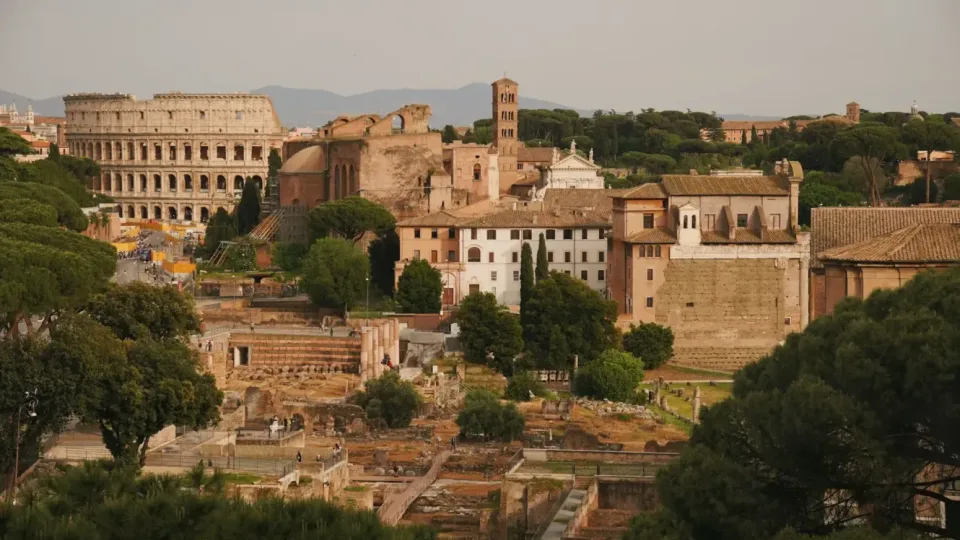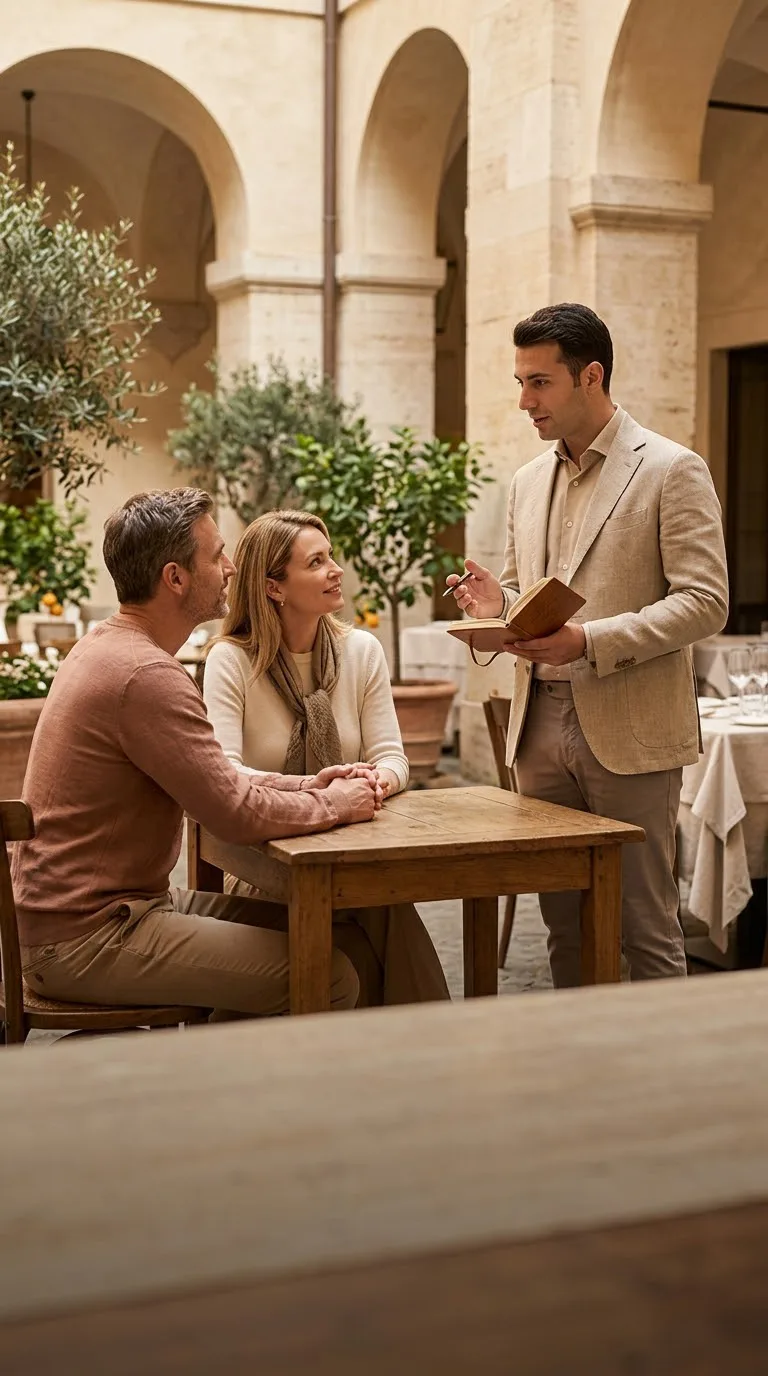


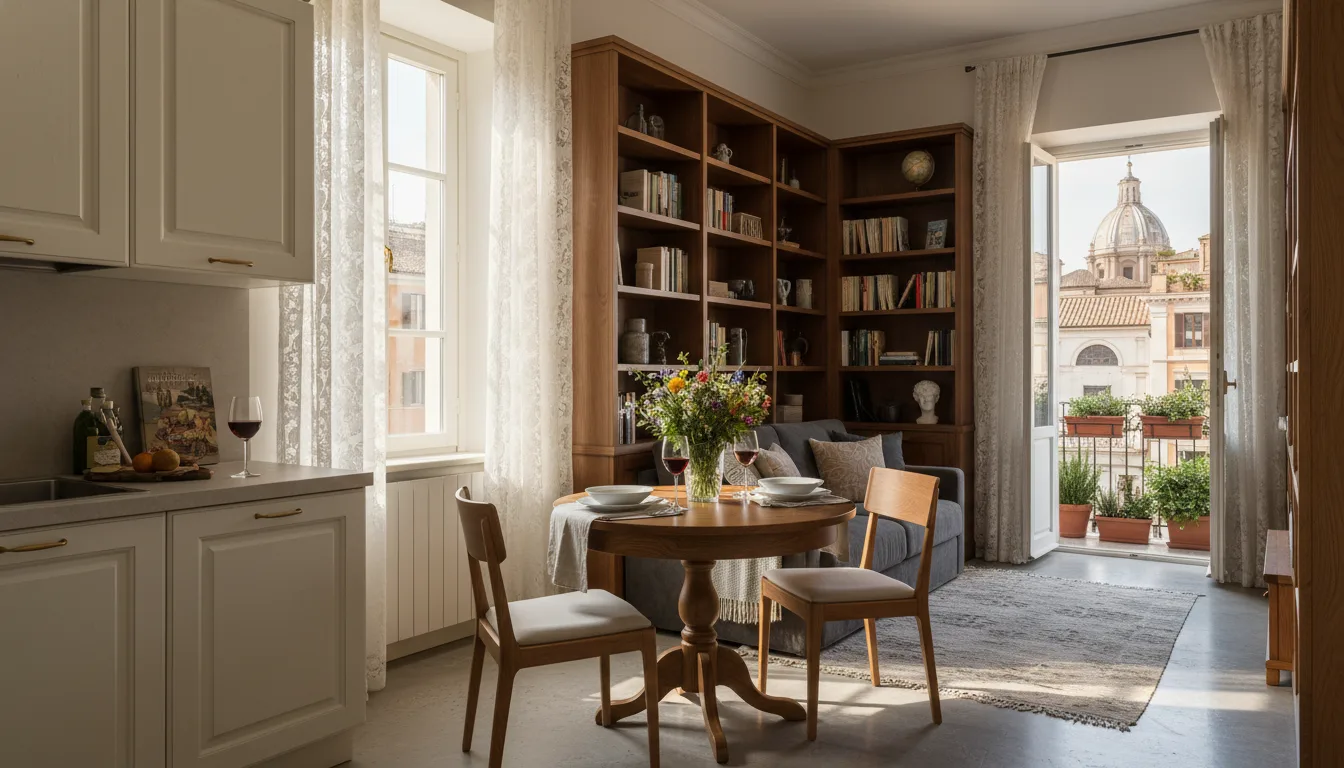
Rome is not a difficult city to visit, but it is a very easy city to organize badly.
The problem is usually not “not knowing what to see”. More often, the problem is trying to see everything, booking too late, choosing the first available restaurant near a monument, staying in an inconvenient area just because it costs less, or trusting viral places on social media too much.
This guide is not a list of strict rules. It is a collection of real mistakes to avoid if you want to visit Rome with more clarity, less stress, and less wasted time.
The basic rule is simple: Rome should be left a little open, but not completely improvised. Some things are better decided in advance. Others are better experienced slowly, without turning every day into an endless checklist.
In short: what not to do in Rome
- Do not organize everything without a strategy: choose a few real priorities and build your days by area.
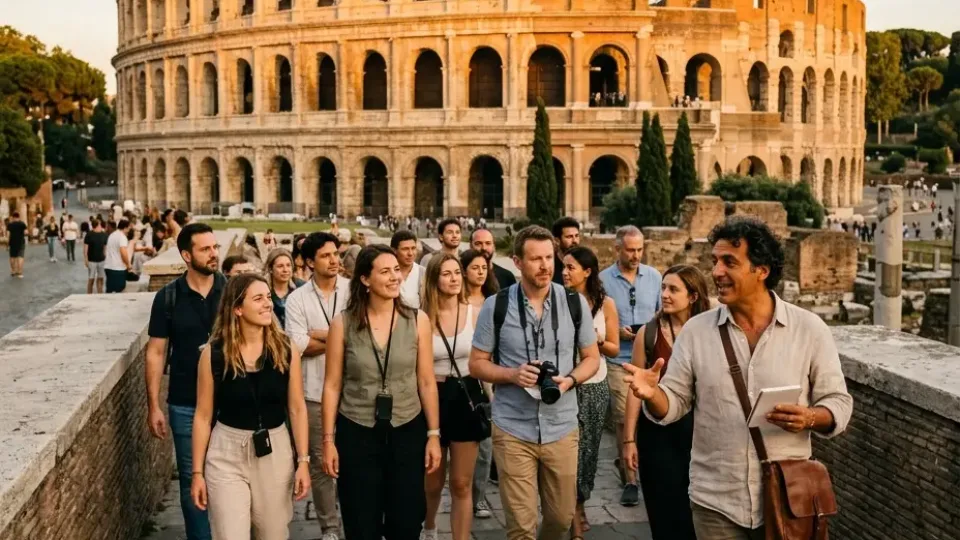
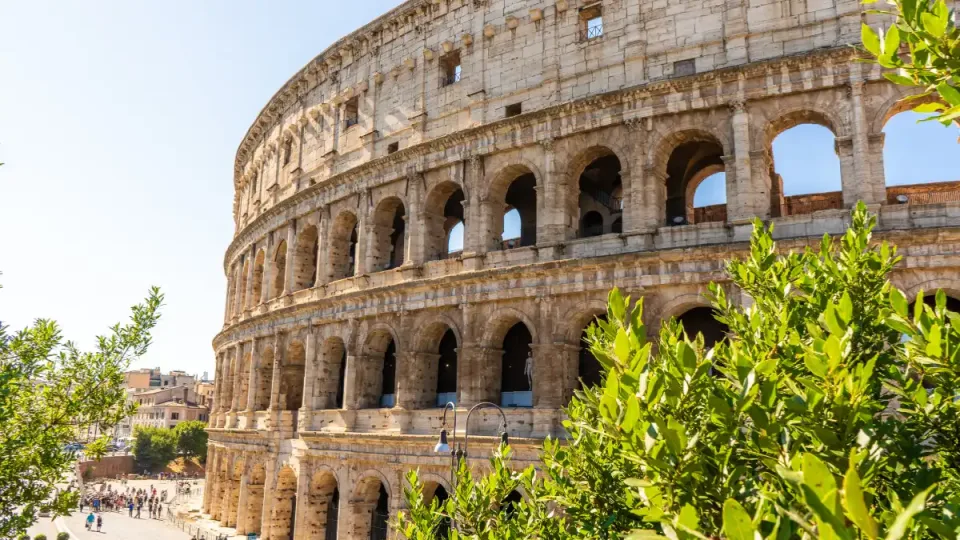
- Do not leave the Colosseum, Vatican, and Galleria Borghese to the last minute: if they matter to you, book them in advance.
- Do not choose a restaurant only because it is close to a monument: you often pay for the location, not the quality.
- Do not think you can see all of Rome on foot in two days: real distances are heavier than they look on the map.
- Do not choose accommodation based only on price: an inconvenient area can make you lose hours every day.
- Do not drive in the center thinking you will save time: traffic, ZTL zones, and parking make almost everything more complicated.
- Do not trust only viral places on social media: use TikTok and Instagram as inspiration, not as your only guide.
- Do not assume Trastevere is automatically authentic: it is beautiful, but it still needs to be chosen with care.
- Do not ignore neighborhoods like Testaccio, Monti, Garbatella, Ostiense, and the Jewish Ghetto: they are essential if you want to see a more complete Rome.
- Do not underestimate heat, tiredness, and breaks: comfortable shoes, water, and realistic timing can change your trip.
- Do not forget public transport, strikes, and evening returns: always check how you will get back, especially after dinner.
- Do not buy souvenirs without understanding what you are buying: a few well-chosen memories are better than generic objects bought in a rush.
- Do not behave as if Rome were a photo set: fountains, churches, squares, and monuments are living places, not just scenery.
Do not organize your trip without a basic strategy
Rome allows room for improvisation, but only if you have already fixed the important things. Arriving without a clear idea may sound romantic, but it often means losing time in lines, making unnecessary transfers, and choosing things simply because you are tired.
If it is your first time, do not try to see “everything”. It does not work. Rome is large, layered, and full of things to do, but not everything has the same weight for your trip.
The best choice is to divide the city by area. One day for the Historic Center, one day for the Vatican and Prati, one day for the Colosseum, Forums, and Monti, and maybe some time for Testaccio or the Jewish Ghetto if you want to add a more local and food-focused side.
What to do instead: choose 2 or 3 real priorities per day and leave space for breaks, food, transfers, and unexpected delays. A lighter itinerary often helps you experience the city better than a day filled until the last minute.
Do not leave the Colosseum, Vatican, and Galleria Borghese to the last minute
This is one of the most common mistakes. Many people arrive in Rome thinking they can decide everything on the spot, then discover that the best tickets are gone, the convenient time slots are unavailable, or the lines eat up half the day.
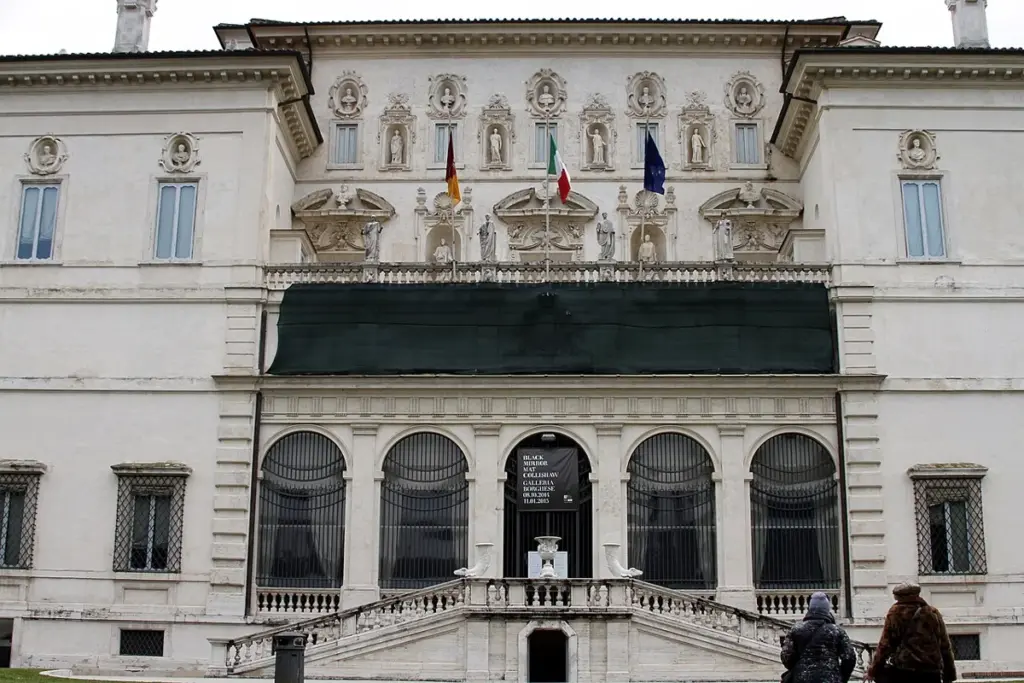
If the Colosseum, Vatican Museums, or Galleria Borghese are important to you, book them in advance. Do not wait until you are already in the city, especially in high season, on weekends, or during holidays and long weekends.
The same applies to some popular restaurants. If you want to have dinner in a specific place, do not wait until 8:30 pm on the same day. In Rome, you can still improvise, of course, but not for the experiences that truly matter to you.
What to do instead: book the main visits in advance and leave the less rigid moments more flexible: walks, markets, street food, neighborhoods, and coffee breaks.
Do not choose a restaurant only because it is close to a monument
Hunger after a long visit is dangerous. It is the moment when the first free table near the Pantheon, the Colosseum, or the Trevi Fountain suddenly looks like a good idea. Often, it is not.
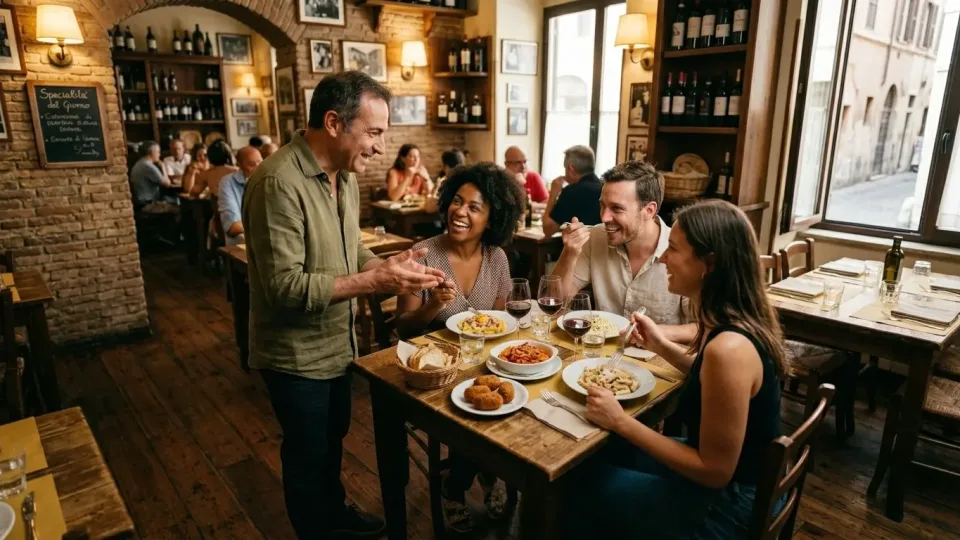
This does not mean that you always eat badly near monuments. Some central addresses are valid. The point is that you should not choose randomly. If you walk into the first restaurant with photo menus, waiters calling you in from the street, and dishes from every possible cuisine, you are increasing the risk of a mediocre dinner.
A huge menu is not a sign of quality. Carbonara with cream, bacon, or a “special sauce” is a very clear warning sign in Rome. Tourist menus with plastic photos and translations in too many languages should also be treated with caution.
What to do instead: write down 2 or 3 reliable places for each area before you go. If you want to go deeper, we also prepared a guide on what to eat in Rome, with dishes, neighborhoods, and restaurants to consider without falling into the usual tourist traps.
Do not think you can see all of Rome on foot in two days
Walking in Rome is beautiful, but it can become exhausting if you do not have a plan. Cobblestones, hills, heat, lines, museums, stairs, and real distances can turn a “relaxed” day into a marathon.
On the map, many areas look close. In practice, going from the Vatican to the Colosseum, then to Trastevere, and then back to a hotel on the other side of the city is not always a great idea.
Walking works very well in the Historic Center, between the Pantheon, Piazza Navona, Campo de’ Fiori, Trevi Fountain, and the Spanish Steps. It makes less sense to cross Rome back and forth just to say you saw more things.
What to do instead: organize each day by area. Fewer long transfers, more real time to enjoy what you are visiting.
Do not choose accommodation based only on price
Saving money on accommodation makes sense only if it does not complicate the whole trip. A cheaper room far from public transport, in an inconvenient area, or with difficult evening returns can cost you time, taxis, tiredness, and frustration.
Rome does not have a metro network as extensive as other European capitals. That is why the location of your accommodation matters a lot. Staying “not too far away” is not enough: you need to understand how well connected you are, how long it takes to reach the metro, and what the area feels like in the evening.
For a first visit, the Historic Center, Monti, Prati, and San Giovanni can be practical choices, each with pros and cons. Testaccio, Garbatella, and Ostiense are excellent if you want a more local Rome, but you need to organize your movements a little better.
What to do instead: before booking, check the real distance from metro, buses, the areas you want to visit, and evening return options. If you want to go deeper, read our guide on where to stay in Rome.
Do not drive in the center thinking you will save time
Unless you have specific needs, a car in Rome is almost always more of a problem than a solution. Between traffic, ZTL restricted areas, parking, narrow streets, and pedestrian zones, driving can easily become a waste of time.
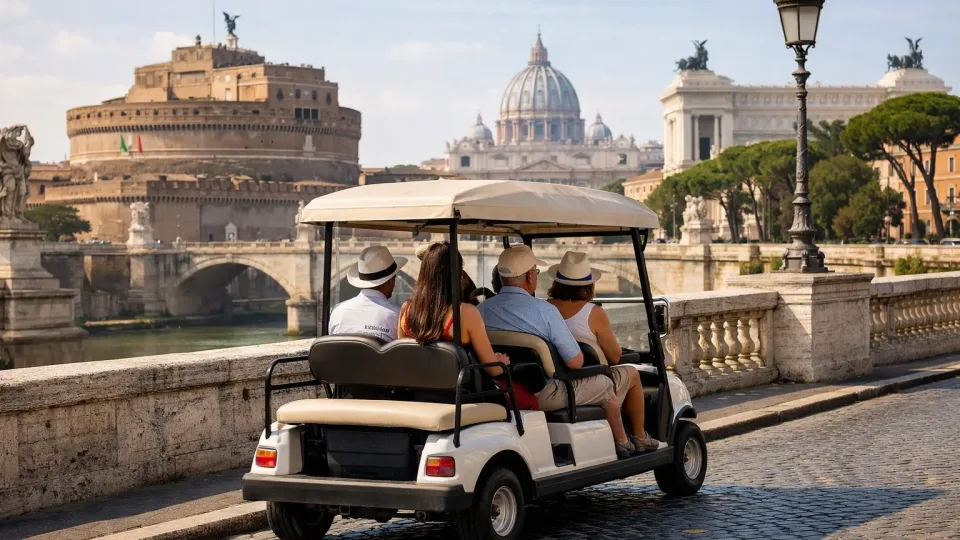
If you arrive by car, consider leaving it parked and moving around by public transport, taxi, transfer, or on foot in the central areas. Using it every day to cross the city rarely improves the experience.
Scooters and shared mobility should also be used with common sense. Rome is not always an easy city for those who do not know its streets, paving stones, traffic, and local habits.
What to do instead: use the metro for longer routes, walk in the Historic Center, and consider taxis or transfers when you arrive late, have luggage, or need to reach less convenient areas.
Do not trust only viral places on TikTok and Instagram
Social media can be useful for discovering ideas, but it should not decide your whole trip. A place can go viral because it looks scenic, is easy to film, or is very recognizable. That does not necessarily mean it is the best.
This applies to restaurants, rooftops, gelato shops, bars, “secret spots”, and even neighborhoods. If everyone is making the same video in the same place, maybe it is not that secret anymore.
The risk is building an itinerary not around Rome, but around content you have already seen from other people. In the end, you may find yourself waiting in line for mediocre places, while something more interesting was just two streets away.
What to do instead: use social media as a starting point, then check recent reviews, location, opening hours, and nearby alternatives. Most importantly, ask yourself: “Would I still go there if I did not have to photograph it?”
Do not assume Trastevere is automatically authentic
Trastevere is beautiful, lively, photogenic, and full of atmosphere. But precisely because it is so loved, it is also an area where you can find everything: good places, tourist restaurants, average trattorias, good cocktail bars, and obvious traps.
Saying “let’s go to Trastevere” is not enough. If you choose the first free restaurant on a street full of tourists, you are not experiencing a more authentic Rome: you are simply following a different flow from the Historic Center.
Trastevere makes sense for an evening walk, a supplì, a drink, and a well-chosen dinner. It makes less sense if you use it as an automatic guarantee of quality.
What to do instead: go to Trastevere, but choose where to stop before you get there. For a more concrete Roman dinner, also consider Testaccio. For a central but less chaotic evening, look at Monti.
Do not ignore Testaccio, Monti, Garbatella, Ostiense, and the Jewish Ghetto
If you only visit the Colosseum, Vatican, Trevi Fountain, and Piazza Navona, you see an essential part of Rome, but not all of Rome.
Some neighborhoods help you understand the city better. Testaccio is strong for Roman cuisine, its market, and its popular identity. Monti is central, pleasant, and full of small shops, bars, and interesting streets. Garbatella shows a more residential and distinctive Rome. Ostiense has a more industrial, contemporary, and food-focused soul. The Jewish Ghetto tells a deep story and has a very recognizable cuisine.
You do not have to visit all of them in the same trip. But adding at least one can change the quality of the experience a lot.
What to do instead: if it is your first time, give the right amount of time to the major classics, but leave at least half a day for a less obvious neighborhood. Rome becomes much more interesting when you stop chasing only monuments.
Do not underestimate heat, tiredness, and breaks
Rome can be physically demanding. In spring and summer, the heat can make visits much more tiring, especially in the middle of the day. Even outside the hottest months, museums, stairs, cobblestones, and long walks add up.
The classic mistake is planning a full day without real breaks: Colosseum in the morning, quick lunch, Vatican Museums, walk through the center, dinner far away. On paper, it works. In reality, it can turn into a race.
What to do instead: wear comfortable shoes, refill your bottle at the nasoni drinking fountains, avoid the heaviest hours when it is hot, and include real breaks. They are not wasted time: they are what helps you enjoy the rest.
Do not forget public transport, strikes, and evening returns
Rome in the evening is beautiful, but getting back should be considered. Not all areas are equally convenient after dinner, and buses or metro are not always the fastest solution.
If you are staying far from the center or having dinner in a neighborhood that is not nearby, check in advance how you will return. It sounds like a detail, but after a full day it can make a real difference.
The same applies to strikes, works, diversions, or especially crowded days. Rome is not a city where you should calculate everything to the minute, but it is also not a city where you should ignore logistics completely.
What to do instead: save your return route before going out, keep a taxi app installed, and leave some margin in your movements. If you have a transfer, dinner, or guided visit, do not always arrive at the last second.
Do not buy souvenirs without understanding what you are buying
There is nothing wrong with buying a memory of Rome. The problem is paying too much for a generic object, mass-produced and identical to what you find in any tourist city.
Around the monuments, you often find souvenirs designed for people buying in a hurry: magnets, statues, T-shirts, gadgets with little real value. If you like them, that is fine. Just do not confuse them with local craftsmanship.
What to do instead: look for small shops, independent bookstores, markets, local artisans, or well-chosen food products. One useful or carefully made memory is worth more than three objects bought in a rush before leaving.
Do not behave as if Rome were a photo set
Rome is a lived-in city, not just a backdrop. Fountains, staircases, churches, squares, and monuments are part of the daily life of those who live here and of everyone’s heritage.
Getting into fountains, sitting where it is forbidden, leaving trash, blocking passages for photos, speaking loudly in churches, or ignoring the rules of historic sites are not just “distracted tourist” mistakes. They are behaviors that damage the city for those who come after you and for those who live here every day.
Respect does not take anything away from the trip. In fact, it helps you experience places better.
What to do instead: look, photograph, enjoy the city, but stay present. If a place is fragile, crowded, or religious, behave accordingly.
Conclusion: visiting Rome well does not mean controlling everything
Visiting Rome well does not mean planning every minute. It means knowing which things should not be left to chance.
Book the most requested experiences, choose your accommodation with care, do not waste meals in tourist restaurants chosen out of hunger, and do not build an impossible itinerary just because everything looks close on the map.
Rome is at its best when you alternate major classics with real neighborhoods, important visits with breaks, monuments with good meals. You do not need to see everything. You need to choose better.
If you are planning to visit Rome and want to avoid the most common mistakes, you can start with our guided tours in Rome, designed to help you discover the city with more clarity and less improvisation.
If you want to organize a more personalized trip, with support on itineraries, transfers, bookings, and experiences, you can contact us here: Do You Rome can help you build a simpler, more concrete stay that fits the way you travel.
FAQ
What are the most common mistakes to avoid in Rome?
The most common mistakes are not booking the main visits in advance, choosing random restaurants near monuments, organizing too many things in one day, underestimating distances, and choosing accommodation based only on price.
What should you not do in Rome if it is your first time?
If it is your first time, do not try to see everything. Focus on the main places, organize your days by area, and leave room for breaks, neighborhoods, and food. Rome is better with a realistic rhythm.
Should you book the Colosseum and Vatican in advance?
Yes. If the Colosseum and Vatican Museums are priorities for your trip, it is better to book them in advance. Waiting until the last minute can mean inconvenient time slots, long lines, or limited availability.
How can you avoid tourist restaurants in Rome?
Avoid places with photo menus, waiters calling you in from the street, too many different dishes, and carbonara with cream or bacon. It is better to write down a few reliable addresses by area and book the most important dinners.
Is it better to visit Rome on foot or by public transport?
In the Historic Center, walking is often the best choice. For longer distances, it is better to use the metro, buses, trams, taxis, or transfers. The mistake is thinking you can do all of Rome on foot without considering tiredness and real travel times.
Where should you stay in Rome to avoid inconvenient transfers?
For a first visit, the Historic Center, Monti, Prati, and San Giovanni can be practical areas. The best choice depends on what you want to visit, but you should always check metro access, evening returns, and the real distance from the places that interest you.
Which neighborhoods should you see beyond the Historic Center?
Testaccio, Monti, Garbatella, Ostiense, and the Jewish Ghetto are very useful neighborhoods for seeing a more complete Rome. You do not need to visit all of them, but adding at least one makes the trip less touristy and more interesting.
How can you organize a trip to Rome without stress?
Book the main visits in advance, choose accommodation in a convenient area, organize your days by neighborhood, and leave margin for breaks and unexpected delays. A trip to Rome works better when it is not filled until the last minute.